1. Introduction
With the in-depth promotion of digital transformation, industries such as manufacturing, environmental protection, and municipal administration have put forward urgent demands for full-process, real-time, and intelligent monitoring. Traditional monitoring methods, which rely on manual reading or simple data loggers, can no longer meet the needs of modern management due to their limitations in data transmission distance, processing capacity, and decision-making efficiency.

A
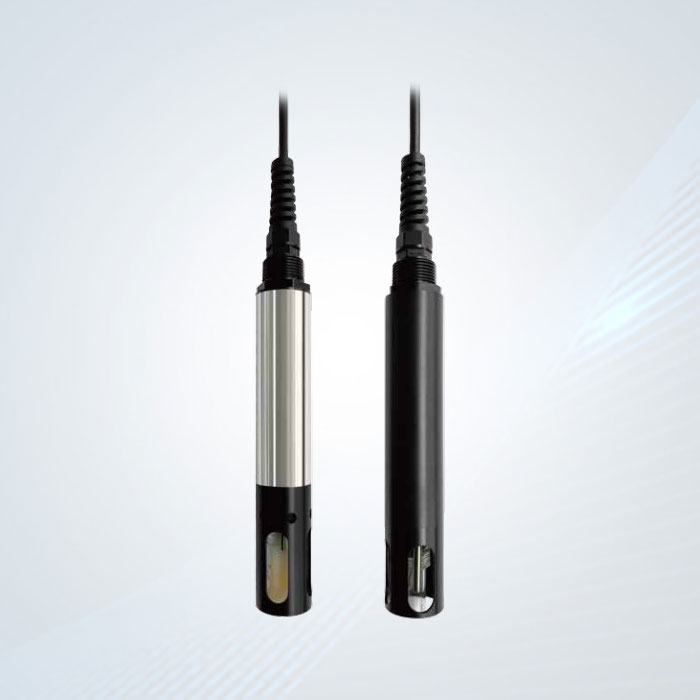
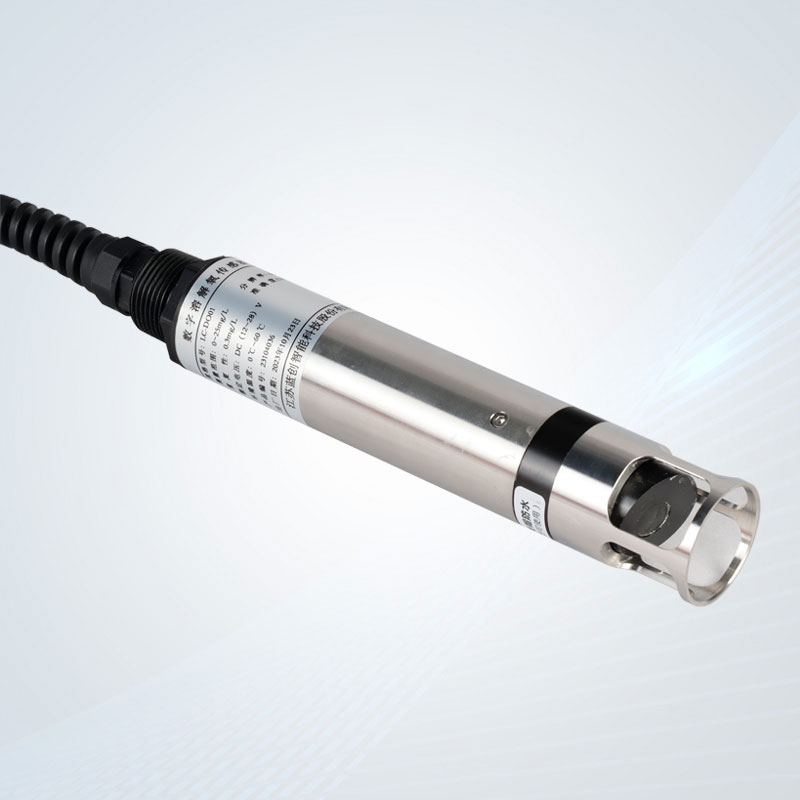
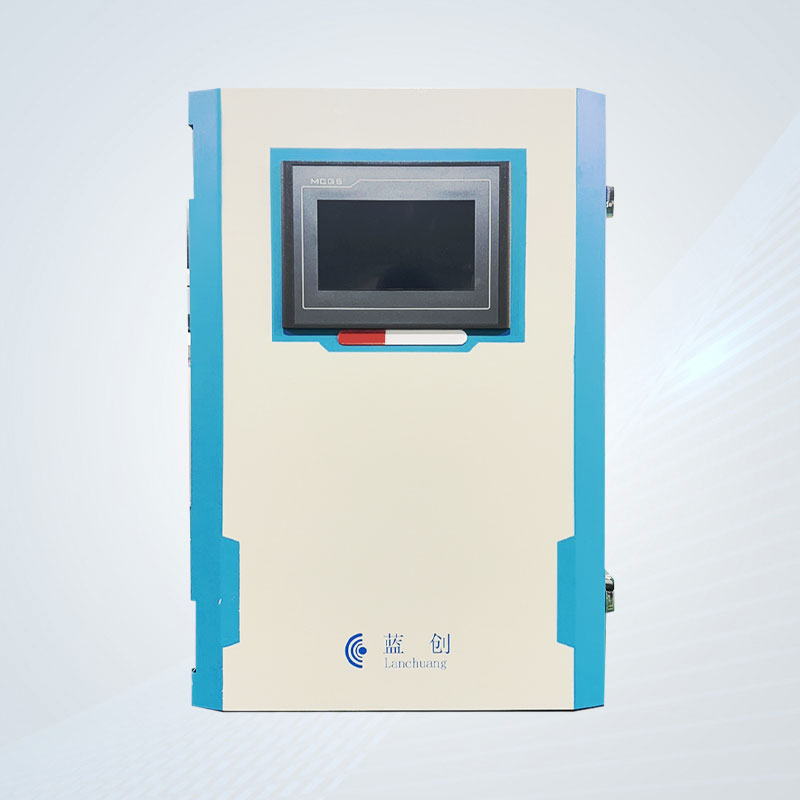
Remote Intelligent Monitoring Terminal (RIMT) is a dedicated embedded device deployed at the front end of the monitoring network. It connects various sensors and field devices, completes data collection, filtering, and analysis at the edge, and transmits the results to the cloud platform or local server through wireless communication networks. Different from ordinary data acquisition modules, RIMTs are characterized by industrial-grade stability, edge intelligence, multi-network compatibility, and plug-and-play scalability.
RIMTs have become the core infrastructure supporting the ""last kilometer"" of digitalization. Whether it is monitoring pollutant emissions in a chemical plant, the water level of an urban drainage pipe network, or the operating status of a wind turbine, RIMTs provide the most critical data source and edge computing support for the entire system.
2. Core Technical Architecture of Remote Intelligent Monitoring Terminals
The RIMT is a highly integrated system, and its architecture is logically divided into four layers: Perception Interface Layer, Edge Computing Layer, Communication Layer, and Security & Management Layer. This layered design ensures the terminal's high reliability, scalability, and intelligence.
2.1 Perception Interface Layer: Multi-Sensor Fusion & Access
This layer is responsible for connecting with the physical world, providing rich and standardized interfaces to access various types of sensors and field devices. Its core technical features include:
- Multi-Protocol Compatibility: Supports standard industrial protocols such as Modbus (RTU/TCP), HART, Profibus, and IEC 60870-5-104, as well as analog (4-20mA, 0-10V) and digital (RS485, RS232) signal inputs.
- Hot Swap & Plug-and-Play: Allows on-site replacement of sensors without powering off the terminal, reducing maintenance downtime.
- Sensor Health Diagnosis: Monitors the working status, signal strength, and self-check information of connected sensors in real time to identify faults such as open circuits, short circuits, and drift.
2.2 Edge Computing Layer: Intelligence at the Source
The edge computing layer is the ""brain"" of the RIMT, which distinguishes it from traditional data acquisition terminals. It is usually built on high-performance embedded processors (such as ARM Cortex-A series or industrial-grade X86).
- Real-Time Data Preprocessing: Performs filtering, denoising, and normalization on the collected raw data locally to eliminate invalid data and reduce the amount of data transmitted to the cloud.
- Local Logic Judgment & Control: Executes preset control strategies (such as automatic alarm, linkage start of exhaust gas treatment equipment) without relying on the cloud platform, achieving millisecond-level response.
- AI Inference Acceleration: Integrates lightweight AI models (such as TensorFlow Lite) to realize on-site functions such as equipment fault prediction, abnormal behavior recognition, and pollutant source tracing.
2.3 Communication Layer: Multi-Modal Network & Reliable Transmission
This layer is responsible for data interaction between the terminal and the upper-level platform, and its core is to ensure the stability, real-time, and economy of data transmission in complex environments.
- Multi-Network Redundancy: Integrates multiple communication modules such as 4G/5G, LoRaWAN, NB-IoT, Wi-Fi, and Ethernet. It can automatically switch networks according to the signal quality and application scenario (e.g., using 5G for high-speed large data volume transmission, and LoRa for low-power long-distance transmission in remote areas).
- Adaptive Data Transmission Strategy: Adopts event-triggered, time-triggered, and exception-triggered hybrid transmission modes. It only transmits key data normally and uploads full data when an abnormality is detected, saving traffic and power consumption.
- Offline Data Caching: Equipped with large-capacity non-volatile memory (Flash/SSD) to cache data locally when the network is interrupted, and automatically resume transmission after the network is restored to ensure data integrity.
2.4 Security & Management Layer: Industrial-Grade Reliability
Facing harsh industrial and outdoor environments, the RIMT must have a robust security system and device management capability.
- Industrial-Grade Hardware Design: Uses industrial-grade components, with anti-interference, wide-temperature (-40°C to +85°C), anti-vibration, and waterproof and dustproof (IP65/IP67) designs to adapt to harsh field environments.
- Data Security: Adopts TLS/DTLS encryption for data transmission and AES encryption for local data storage to prevent data tampering and leakage. Supports two-way authentication between the terminal and the platform.
- Remote Device Management (MDM): Supports remote firmware upgrade (OTA), parameter configuration, and fault diagnosis, realizing the centralized management of thousands of terminals and reducing on-site maintenance costs.
3. Key Technical Advantages of RIMTs
Compared with traditional monitoring methods, RIMTs have significant technical advantages in the following four aspects, which are the core reasons for their wide application:
| Technical Advantage | Description | Customer Value |
| :--- | :--- | :--- |
| Edge Intelligence | Moving data processing from the cloud to the terminal, realizing local decision-making. | Reduces cloud computing costs, eliminates network latency, and improves system response speed. |
| Ultra-Low Power Consumption | Adopts low-power chips and sleep-wake mechanisms, supporting solar energy supply. | Enables long-term unattended operation in remote areas without power supply. |
| High Compatibility | Compatible with various sensors and communication protocols on the market. | Lowers the threshold for system transformation and protects the customer's existing investment. |
| High Reliability | Withstands extreme temperatures, electromagnetic interference, and power grid fluctuations. | Ensures 7x24-hour stable operation and reduces the risk of system downtime. |
4. Multi-Scenario Application Guide
RIMTs have a wide range of applications across industries. According to different industry characteristics and monitoring needs, the terminal configuration and deployment strategies are also different. The following is a detailed application guide for typical scenarios.
4.1 Smart Industry: Industrial Equipment Predictive Maintenance
Core Demand: Real-time monitoring of the operating status of key equipment (such as motors, pumps, and turbines) to predict potential faults and avoid unplanned downtime.
RIMT Configuration: Equipped with vibration sensors, temperature sensors, and current/voltage sensors. Uses 5G for high-frequency data transmission.
Application Effect: The RIMT collects vibration spectrum and temperature data in real time, uses edge AI algorithms to analyze the equipment's health status, and sends early warning information to the management platform when abnormal wear or bearing damage is detected. This can reduce equipment maintenance costs by 30% and extend the service life of equipment by 20%.
4.2 Environmental Governance: Pollution Source Online Monitoring
Core Demand: Monitoring of wastewater, exhaust gas, and noise emissions from enterprises to ensure compliance with discharge standards and prevent illegal emissions.
RIMT Configuration: Connects to CEMS (Continuous Emission Monitoring System), water quality analyzers, and noise sensors. Supports dual-network transmission of 4G/5G and wired networks for backup.
Application Effect: The RIMT preprocesses the monitoring data of COD, SO2, and other indicators locally, and uploads the data to the environmental protection department's platform in real time. It has the function of anti-tampering and data logging, which effectively curbs the phenomenon of enterprise data falsification and provides a reliable basis for environmental law enforcement.
4.3 Municipal Infrastructure: Smart Water Supply and Drainage
Core Demand: Monitoring of urban water supply pipe network pressure, leakage, and drainage pipe network water level to prevent pipe burst and urban waterlogging.
RIMT Configuration: Connects to pressure transmitters, flow meters, and liquid level sensors. Uses NB-IoT or LoRa for low-power wide-area communication.
Application Effect: Deployed in water supply pipe network nodes and rainwater wells, the RIMT works in low-power mode. When the pipe network pressure is too low (indicating a leak) or the well water level is too high (indicating a waterlogging risk), the terminal is quickly awakened to send an alarm. This realizes the refined management of the municipal pipe network and improves the efficiency of emergency disposal.
4.4 Energy Management: Smart Grid and New Energy Monitoring
Core Demand: Monitoring of power consumption in industrial parks and the operating status of new energy equipment (solar panels, wind turbines) to optimize energy allocation.
RIMT Configuration: Connects to electric energy meters, inverters, and weather stations. Supports wireless communication and local Ethernet access.
Application Effect: The RIMT collects real-time energy consumption data and new energy power generation data, conducts energy consumption analysis and peak-valley comparison at the edge, and transmits the analysis results to the energy management platform. This helps enterprises identify energy-saving potential and realize the optimal combination of grid power and new energy power generation.
4.5 Agriculture and Animal Husbandry: Precision Agriculture
Core Demand: Monitoring of soil moisture, nutrient content, greenhouse temperature and humidity, and livestock house environment to guide precision irrigation and breeding.
RIMT Configuration: Connects to soil sensors, weather stations, and gas sensors (NH3, CO2). Powered by solar energy + battery.
Application Effect: Deployed in farmland and greenhouses, the RIMT transmits environmental data to the agricultural cloud platform through LoRa. When the soil moisture is insufficient, it can automatically trigger the irrigation system. This reduces water and fertilizer usage by 25% and improves crop yields and quality.
5. Future Development Trends
Driven by cutting-edge technologies such as 5G-Advanced (5G-A), Artificial Intelligence (AI), and Digital Twins, RIMTs will develop towards higher intelligence, stronger integration, and wider connectivity in the future.
5.1 Integration of AI and Edge Computing
Future RIMTs will integrate more powerful AI chips and algorithms, evolving from ""data preprocessors"" to ""edge decision-makers"". They will be able to independently complete complex tasks such as video image recognition, sound source localization, and complex fault root cause analysis, further reducing the dependence on the cloud.
5.2 Ubiquitous Connectivity with 5G-A and Satellite Internet
With the commercialization of 5G-A, RIMTs will support ultra-reliable low-latency communication (URLLC) and massive machine-type communication (mMTC), enabling the connection of more sensors. For terminals in extreme remote areas, the integration of satellite communication modules will realize global seamless coverage without blind spots.
5.3 Digital Twin Terminal
RIMTs will become the physical mapping interface of digital twins. By synchronizing real-time data with the virtual model in the cloud, they will support functions such as virtual simulation, predictive control, and remote operation and maintenance, realizing the deep integration of the physical world and the digital world.
5.4 Energy Autonomy and Green Development
The application of new energy harvesting technologies (such as vibration energy collection, solar energy, and wind energy) will make RIMTs completely independent of the power grid. The use of environmentally friendly materials and low-carbon manufacturing processes will make terminals more in line with the requirements of green development.
6. Conclusion
As the core front-end device of the IoT, the Remote Intelligent Monitoring Terminal (RIMT) has broken through the limitations of traditional monitoring through its advanced core technologies such as multi-sensor fusion, edge computing, and multi-modal communication. It has become an indispensable key link in the digital transformation of various industries.
From industrial predictive maintenance to environmental pollution monitoring, from municipal smart pipe networks to agricultural precision management, RIMTs are playing an increasingly important role, providing strong data support for enterprises to improve efficiency, reduce costs, and ensure safety.