1. Overview of Environmental Monitoring Technology and Its Development Status
Environmental monitoring refers to the use of physical, chemical, biological and other technical means to systematically collect, analyze and evaluate the quality of the environment (air, water, soil, solid waste, etc.) and the emission of pollutants, so as to grasp the environmental quality status, track the changing trend of the environment and identify potential ecological risks. Environmental monitoring technology is the core carrier of environmental monitoring work, and its level directly determines the accuracy and efficiency of environmental governance and ecological protection.
1.1 Core Categories of Environmental Monitoring Technology
According to the monitoring object,
environmental monitoring technology can be divided into four major categories, forming a comprehensive monitoring system covering the whole environment:
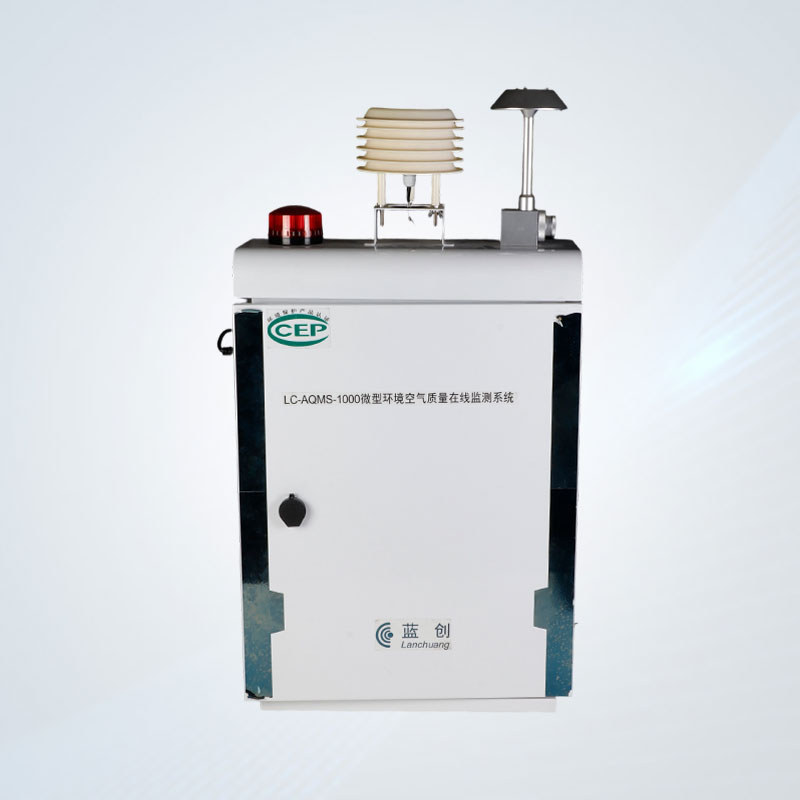
- Air Environment Monitoring Technology: It mainly includes online continuous monitoring system (CEMS), portable air detection equipment, satellite remote sensing monitoring technology, etc., focusing on the detection of conventional pollutants (PM2.5, PM10, SO₂, NO₂, CO, O₃) and characteristic pollutants (VOCs, H₂S, etc.), realizing real-time monitoring of ambient air and industrial flue gas emissions.
- Water Environment Monitoring Technology: Covering online wastewater monitoring system (WWMS), offline laboratory analysis technology, underwater sensor network monitoring technology, etc., focusing on the detection of key indicators such as COD, BOD, ammonia nitrogen, total phosphorus, total nitrogen and heavy metals in surface water, groundwater and industrial wastewater, ensuring the safety of water resources.
- Soil Environment Monitoring Technology: Including soil sampling and laboratory detection technology, in-situ soil sensor monitoring technology, etc., mainly detecting heavy metals, organic pollutants, soil pH value and other indicators in soil, evaluating soil pollution status and guiding soil remediation work.
- Solid Waste and Ecological Monitoring Technology: It involves solid waste leaching toxicity detection, solid waste online weighing and tracking technology, and ecological monitoring technologies such as vegetation coverage, biodiversity and ecological degradation, realizing the full-process monitoring of solid waste disposal and ecological environment changes.
1.2 Current Development Status of Environmental Monitoring Technology
In recent years, with the continuous advancement of science and technology and the increasing demand for ecological protection, environmental monitoring technology has made remarkable progress, but it still faces certain limitations. On the one hand, the traditional environmental monitoring technology is mainly based on offline sampling and single-point monitoring, which has the defects of long detection cycle, low real-time performance and limited monitoring coverage, and it is difficult to meet the needs of full-process, all-round ecological protection. On the other hand, although online monitoring technology has been popularized, there are problems such as poor data interoperability, low degree of intelligence and high operation and maintenance cost, which restrict the efficiency of environmental monitoring work.
Against this background, the integration of digital technology (Internet of Things, big data, cloud computing) and intelligent technology (artificial intelligence, machine learning) with environmental monitoring technology has become an inevitable trend, and the digital-intelligent transformation of environmental monitoring has become the key to breaking through the bottleneck of traditional monitoring and promoting the high-quality development of ecological protection.
2. Connotation and Core Technical Support of Digital-Intelligent Transformation of Environmental Monitoring
The digital-intelligent transformation of environmental monitoring refers to the integration of digital technology and intelligent technology into the whole process of environmental monitoring, including data collection, transmission, processing, analysis and application, so as to realize the digitalization of monitoring data, the intelligence of monitoring equipment, the networking of monitoring networks and the intelligentization of decision-making support. Its core goal is to improve the efficiency, accuracy and comprehensiveness of environmental monitoring, and provide more scientific and efficient technical support for ecological protection.
2.1 Core Technical Support for Digital-Intelligent Transformation
The digital-intelligent transformation of environmental monitoring relies on the in-depth integration of multiple cutting-edge technologies, among which the core technical supports include:
2.1.1 Internet of Things (IoT) Technology
IoT technology is the foundation of digital-intelligent monitoring, which realizes the interconnection of environmental monitoring equipment, sensors and monitoring platforms through wireless communication technologies (4G, 5G, LoRa, WiFi). A large number of IoT sensors are deployed in the monitoring area to collect environmental data (such as pollutant concentration, temperature, humidity, water level) in real time, and transmit the data to the cloud platform through the network, realizing the full-coverage and real-time perception of the environment. This technology breaks the limitations of traditional single-point monitoring and builds a ""perception network"" covering air, water, soil and other environments.
2.1.2 Big Data and Cloud Computing Technology
Environmental monitoring generates a large amount of structured and unstructured data every day, including real-time monitoring data, historical data, meteorological data, and pollution source data. Big data technology realizes the storage, cleaning, integration and analysis of massive monitoring data, excavates the potential correlation and change law between data, and provides a basis for environmental decision-making. Cloud computing technology provides a flexible and efficient computing and storage platform for massive monitoring data, realizing the centralized management and shared application of data, reducing the investment cost of monitoring equipment and improving the efficiency of data processing.
2.1.3 Artificial Intelligence (AI) and Machine Learning Technology
AI and machine learning technology are the core driving forces for the intelligentization of environmental monitoring. By training the monitoring data, the AI model can automatically identify abnormal pollutant emissions, predict the changing trend of environmental quality, and realize the intelligent early warning of ecological risks. For example, the AI model can analyze the historical data of air pollutants, predict the concentration change of PM2.5 in the next few days, and provide early warning for air pollution prevention and control. At the same time, AI technology can also realize the intelligent diagnosis and self-maintenance of monitoring equipment, reducing the cost of manual operation and maintenance.
2.1.4 Remote Sensing and UAV Monitoring Technology
Remote sensing technology (satellite remote sensing, aerial remote sensing) and UAV monitoring technology realize the macro and rapid monitoring of the ecological environment. Satellite remote sensing can monitor the environmental quality of large-scale areas (such as cities, basins) in real time, grasp the overall situation of environmental changes; UAV monitoring has the advantages of flexibility and high resolution, which can realize the accurate monitoring of small-scale areas (such as industrial parks, river sections) and make up for the deficiencies of ground monitoring. The combination of remote sensing, UAV and ground monitoring forms a three-dimensional environmental monitoring network, realizing the full-coverage and multi-angle monitoring of the environment.
2.2 Transformation Path of Digital-Intelligent Environmental Monitoring
The digital-intelligent transformation of environmental monitoring is a systematic project, which needs to realize the transformation and upgrading of the whole chain from equipment, data to management. The specific transformation path includes three aspects:
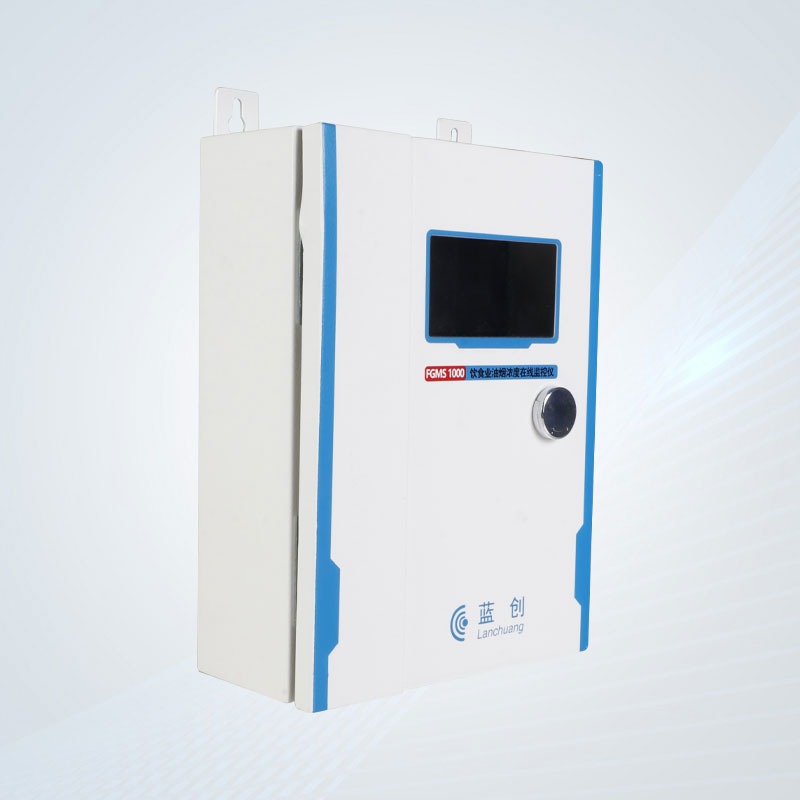
- Intelligent Upgrade of Monitoring Equipment: Transform traditional monitoring equipment into intelligent equipment with automatic sampling, automatic calibration, self-diagnosis and other functions, and integrate IoT sensors to realize real-time data collection and transmission, improving the automation and intelligence level of equipment.
- Digitalization of Monitoring Data: Establish a unified environmental monitoring data standard, integrate data from different monitoring points, different monitoring types and different departments, realize the digitalization, standardization and integration of data, and break the ""data island"" problem.
- Intelligentization of Management and Decision-Making: Build an intelligent environmental monitoring and management platform, integrate big data, AI and other technologies to realize data analysis, risk early warning, decision-making support and other functions, and transform the management mode from ""passive disposal"" to ""active prevention and control"".
3. The Core Role of Environmental Monitoring Technology and Digital-Intelligent Transformation in Promoting New Development of Ecological Protection
The integration of environmental monitoring technology and digital-intelligent transformation has broken through the limitations of traditional ecological protection methods, and has played an irreplaceable core role in promoting the new development of ecological protection, realizing the transformation of ecological protection from ""extensive management"" to ""precision governance"", from ""post-treatment"" to ""pre-prevention"", and from ""single governance"" to ""comprehensive governance"".
3.1 Realizing Precision Governance of Environmental Pollution
Digital-intelligent environmental monitoring technology realizes the accurate positioning, quantitative analysis and real-time tracking of pollution sources. Through the three-dimensional monitoring network composed of ground sensors, UAVs and satellites, environmental supervision departments can accurately grasp the type, concentration and emission volume of pollutants, identify key pollution sources and pollution pathways, and formulate targeted pollution control plans. For example, in air pollution control, the intelligent monitoring platform can accurately locate the enterprises with excessive emissions through real-time monitoring data and AI analysis, and guide the enterprises to carry out rectification, improving the efficiency and pertinence of pollution control.
3.2 Enhancing the Early Warning Capacity of Ecological Risks
The digital-intelligent transformation of environmental monitoring has realized the leap from ""passive monitoring"" to ""active early warning"". By integrating big data and AI technology, the monitoring platform can analyze the historical data and real-time data of the environment, predict the changing trend of environmental quality and the occurrence probability of ecological risks (such as sudden pollution accidents, ecological degradation), and issue early warnings in a timely manner. This enables relevant departments to take preventive measures in advance, reduce the impact of ecological risks on the environment and human health, and realize the ""pre-prevention"" of ecological protection.
3.3 Optimizing the Efficiency of Ecological Management
The digital-intelligent monitoring platform realizes the centralized management and shared application of environmental monitoring data, breaking the barriers between different departments and different regions, and improving the efficiency of ecological management. Environmental supervision departments can remotely view real-time monitoring data, historical data and alarm information through the platform, realizing the remote supervision and management of the environment, reducing the cost of on-site inspection and improving the efficiency of supervision. At the same time, the intelligent analysis function of the platform can provide scientific decision-making support for environmental policy formulation, ecological protection planning and pollution control measures, making ecological management more scientific and efficient.
3.4 Promoting the Integration of Ecological Protection and Green Development
Environmental monitoring technology and digital-intelligent transformation provide strong technical support for the integration of ecological protection and green development. By monitoring the environmental impact of industrial production, urban construction and other activities in real time, enterprises are urged to adopt clean production technologies, reduce pollutant emissions and energy consumption, and realize green production. At the same time, the monitoring data can provide a basis for the evaluation of green development level, help formulate scientific green development policies, and promote the coordinated development of economy, society and ecology.
3.5 Improving the Level of Ecological Environment Assessment
Digital-intelligent environmental monitoring technology provides a comprehensive and accurate data basis for ecological environment assessment. Through the full-coverage and long-term monitoring of the environment, a large amount of reliable monitoring data can be obtained, which can be used to evaluate the quality of the ecological environment, the effect of pollution control and the progress of ecological restoration. This helps to comprehensively grasp the overall situation of the ecological environment, find the existing problems in ecological protection, and adjust and improve the ecological protection measures in a timely manner, promoting the continuous improvement of the ecological environment quality.
4. Challenges and Future Development Trends of Digital-Intelligent Transformation of Environmental Monitoring
4.1 Current Challenges
Although the digital-intelligent transformation of environmental monitoring has made certain progress, it still faces some challenges in practical promotion and application:
- Technical Challenges: The integration level of multi-technologies (IoT, big data, AI) is not high, and there are problems such as poor compatibility of monitoring equipment, low accuracy of intelligent analysis models, and unstable data transmission, which affect the effect of digital-intelligent transformation.
- Data Security and Standardization Challenges: A large amount of environmental monitoring data involves environmental security and enterprise information, and there are hidden dangers in data security and privacy protection. At the same time, the lack of unified data standards leads to poor interoperability and sharing of data between different regions and departments.
- Cost and Talent Challenges: The initial investment and later operation and maintenance cost of digital-intelligent monitoring equipment and platforms are high, which is difficult for some small and medium-sized enterprises and underdeveloped regions to bear. In addition, there is a shortage of professional talents who master both environmental monitoring technology and digital-intelligent technology, which restricts the in-depth promotion of transformation.
- Policy and System Challenges: The relevant policies and systems for the digital-intelligent transformation of environmental monitoring are not perfect, and there is a lack of clear norms and guidance for data sharing, technology application and management, which affects the standardized development of transformation.
4.2 Future Development Trends
With the continuous innovation of digital technology and intelligent technology, the digital-intelligent transformation of environmental monitoring will develop towards a more intelligent, integrated and comprehensive direction, and the following clear trends will emerge:
- Deep Integration of Multi-Technologies: The integration of IoT, big data, AI, remote sensing and other technologies will be further deepened, realizing the intelligent perception, intelligent analysis and intelligent decision-making of the environment, and improving the overall level of digital-intelligent monitoring.
- Full-Scenario and Full-Process Monitoring: The monitoring scope will be expanded from traditional air, water and soil monitoring to ecological environment monitoring such as biodiversity, ecological degradation and climate change, realizing the full-scenario and full-process monitoring of the ecological environment.
- Intelligentization of Miniaturized Equipment: The development of miniaturized, low-cost and intelligent environmental monitoring equipment will be accelerated, promoting the popularization of monitoring equipment in small and medium-sized enterprises and rural areas, and improving the coverage of monitoring networks.
- Improvement of Data Security and Standardization: A unified environmental monitoring data standard and data security system will be established, realizing the safe sharing and standardized application of data, and breaking the ""data island"" problem.
- Integration of Monitoring and Governance: The digital-intelligent monitoring platform will be deeply integrated with environmental governance equipment, realizing the closed-loop management of ""monitoring - early warning - disposal - evaluation"", and improving the efficiency of ecological environment governance.
5. Conclusion
Environmental monitoring technology is the foundation of ecological protection, and digital-intelligent transformation is the inevitable trend of the development of environmental monitoring technology. The integration of environmental monitoring technology and digital-intelligent technology has broken through the limitations of traditional monitoring methods, realized the transformation of environmental monitoring from ""passive"" to ""active"", from ""single-point"" to ""full-coverage"", and from ""digital"" to ""intelligent"", and has played an irreplaceable core role in promoting precision governance of environmental pollution, enhancing early warning capacity of ecological risks, optimizing efficiency of ecological management, and promoting the integration of ecological protection and green development.
Although the digital-intelligent transformation of environmental monitoring still faces challenges such as technical bottlenecks, high costs and talent shortages, with the continuous innovation of science and technology, the improvement of relevant policies and systems, and the joint efforts of all sectors of society, the digital-intelligent level of environmental monitoring will be continuously improved. In the future, the in-depth integration of environmental monitoring technology and digital-intelligent technology will inject new momentum into the new development of ecological protection, help build a green, low-carbon and sustainable ecological environment, and realize the coordinated development of human society and nature.