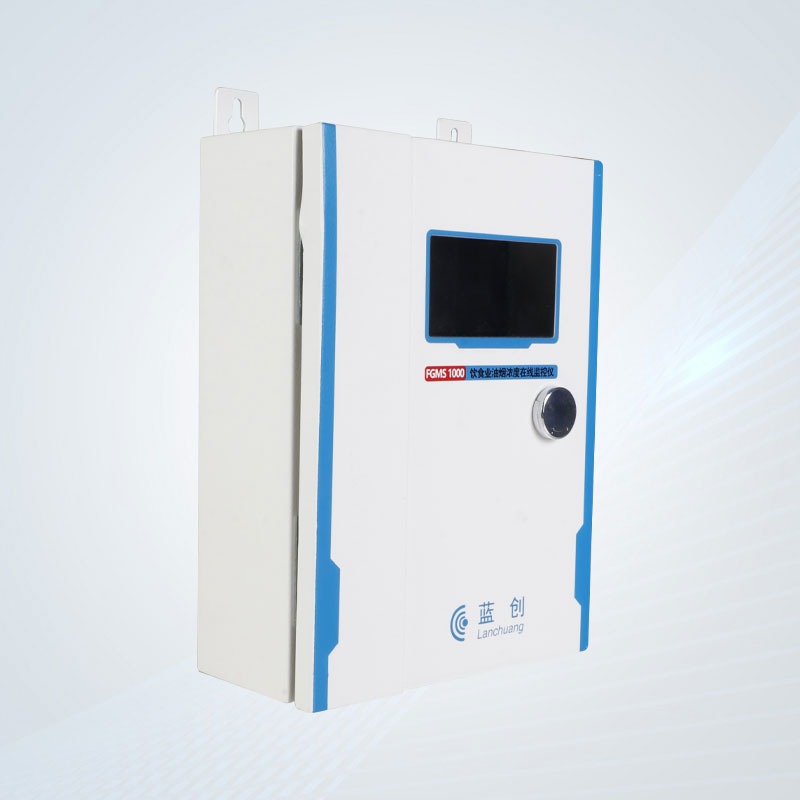
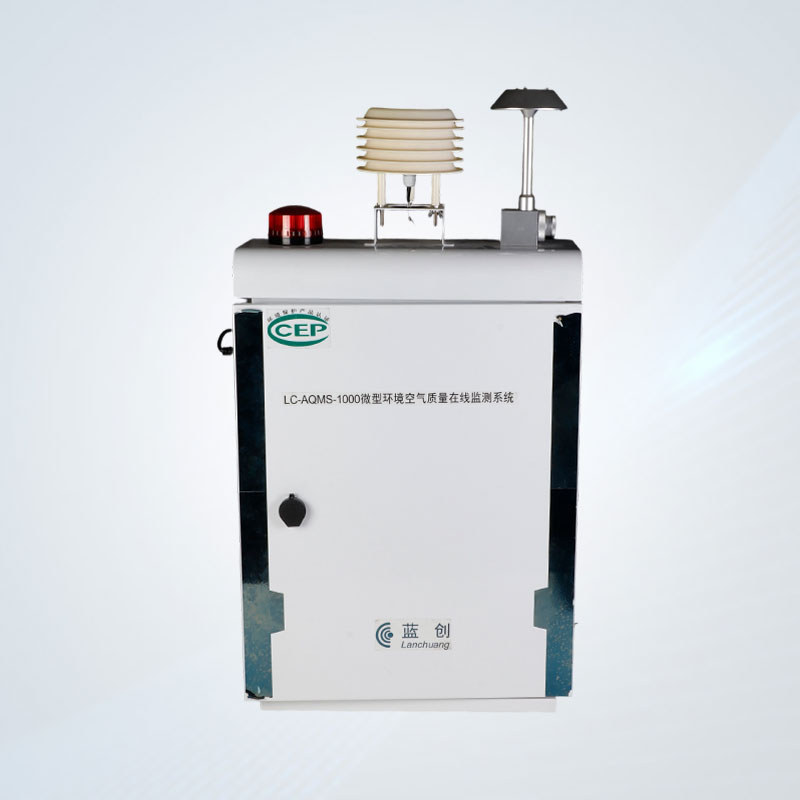
1. Overview of Pollutant Emission Monitoring Technologies
Pollutant emission monitoring refers to the use of physical, chemical, biological, and intelligent technologies to detect, analyze, and record the type, concentration, and emission volume of pollutants discharged from industrial production, municipal facilities, agricultural activities, and other sources. Its core goal is to realize the full-process, accurate, and real-time monitoring of pollutant emissions, provide reliable data support for environmental management, and ensure that pollutant emissions meet national and industry standards.
Pollutant emission monitoring technologies are highly targeted, and different types of pollutants (gas, liquid, solid) require corresponding monitoring technologies and equipment. According to the physical state of pollutants, monitoring technologies can be divided into three categories: gas pollutant emission monitoring technologies, liquid pollutant emission monitoring technologies, and solid pollutant emission monitoring technologies. According to the monitoring mode, they can be divided into online continuous monitoring (CEMS), offline sampling detection, and portable on-site detection. Each monitoring technology has its own characteristics and application scenarios, and is selected according to the type of pollutant, emission scenario, and monitoring requirements.
Pollutant emission monitoring must comply with strict national and international standards, such as ISO 14001 (Environmental management systems), GB 16297 (Emission Standard of Air Pollutants), GB 8978 (Integrated Wastewater Discharge Standard), and EPA (Environmental Protection Agency) emission monitoring standards. These standards specify the technical requirements, detection methods, and data accuracy of pollutant emission monitoring, ensuring the comparability and reliability of monitoring data.
2. Classification and Detailed Analysis of Pollutant Emission Monitoring Technologies
Pollutant emission monitoring technologies have been continuously upgraded with the development of science and technology, forming a complete technical system covering from offline sampling to online continuous monitoring, from qualitative detection to high-precision quantitative detection. The following elaborates on the core monitoring technologies for different types of pollutants, their working principles, technical characteristics, and application scenarios.
2.1 Gas Pollutant Emission Monitoring Technologies
Gas pollutants are the main pollutants in industrial emissions and urban air pollution, including conventional pollutants (SO₂, NO₂, CO, O₃, PM2.5, PM10) and characteristic pollutants (VOCs, H₂S, NH₃, benzene series, etc.). Gas pollutant emission monitoring technologies are mainly divided into online continuous monitoring technologies and offline sampling detection technologies, with online monitoring being the mainstream direction of current development.
2.1.1 Continuous Emission Monitoring System (CEMS)
Working Principle: CEMS is an integrated monitoring system that realizes real-time, continuous monitoring of gas pollutant emissions. It mainly consists of a sampling system, a pretreatment system, a detection system, a data acquisition and transmission system, and a control system. The sampling system collects flue gas or exhaust gas from the emission source; the pretreatment system removes dust, moisture, and other impurities in the gas to avoid interfering with detection; the detection system uses dedicated sensors or detection technologies (such as infrared absorption, ultraviolet absorption, catalytic combustion) to convert the pollutant concentration into electrical signals; the data acquisition and transmission system records and transmits the monitoring data to the environmental supervision platform in real time.
Technical Characteristics: High real-time performance (24-hour uninterrupted monitoring), high accuracy (relative error ≤ ±5% for conventional pollutants), strong stability, and automatic operation. It can realize simultaneous monitoring of multiple pollutants and support remote monitoring and data networking. However, the equipment investment and maintenance cost are high, and professional operation and maintenance personnel are required.
Application Scenarios: Industrial flue gas emission monitoring (thermal power plants, steel plants, chemical plants, cement plants), municipal waste incineration plants, and large-scale industrial enterprises with high pollutant emissions.
2.1.2 Offline Sampling and Laboratory Detection Technology
Working Principle: This technology collects gas samples from emission sources through professional sampling equipment (such as gas sampling bags, absorption bottles), transports the samples to the laboratory, and uses analytical instruments (such as gas chromatography, mass spectrometry, spectrophotometer) to detect the type and concentration of pollutants. It is a traditional monitoring method with high detection accuracy and strong selectivity.
Technical Characteristics: High detection accuracy (relative error ≤ ±2% for trace pollutants), strong selectivity (can detect multiple trace pollutants), and low equipment investment. However, the detection cycle is long (usually 1-3 days), the labor cost is high, and real-time monitoring cannot be realized, which is suitable for periodic detection and verification of online monitoring data.
Application Scenarios: Periodic detection of industrial enterprise emissions, emergency pollution accident investigation, and verification of online monitoring data.
2.1.3 Portable Gas Detection Technology
Working Principle: Portable gas detectors integrate sampling, detection, and display functions, using electrochemical sensors, photoionization detectors (PID), or optical sensors to detect gas pollutants on site. They are small in size, light in weight, and easy to carry, and can quickly output detection results.
Technical Characteristics: Fast response (response time ≤ 60 seconds), portability, and simple operation. It is suitable for on-site rapid detection and emergency monitoring. However, the detection accuracy is slightly lower than that of laboratory detection, and the detection range is limited.
Application Scenarios: Emergency pollution accident monitoring, on-site patrol detection of industrial enterprises, and detection of small-scale emission sources.
2.2 Liquid Pollutant Emission Monitoring Technologies
Liquid pollutants mainly refer to industrial wastewater, municipal sewage, and agricultural runoff, which contain organic pollutants, heavy metals, nutrients (nitrogen, phosphorus), and other harmful substances. Liquid pollutant emission monitoring technologies are mainly divided into online continuous monitoring and offline sampling detection, focusing on the detection of key indicators such as COD, BOD, ammonia nitrogen, total phosphorus, total nitrogen, and heavy metals.
2.2.1 Online Wastewater Monitoring System (WWMS)
Working Principle: WWMS is an intelligent monitoring system that realizes real-time monitoring of wastewater emission indicators. It consists of a sampling system, a pretreatment system (filtration, precipitation), a detection system, and a data transmission system. The sampling system collects wastewater samples from the discharge outlet; the pretreatment system removes suspended solids and impurities in the wastewater; the detection system uses chemical analysis, electrochemical detection, or optical detection technologies to detect the concentration of key indicators; the data is transmitted to the monitoring platform in real time.
Technical Characteristics: Real-time continuous monitoring, automatic operation, and high detection efficiency. It can monitor multiple indicators simultaneously (COD, BOD, ammonia nitrogen, etc.) and trigger an alarm when the indicators exceed the standard. However, the equipment is susceptible to the interference of wastewater turbidity and impurities, and regular maintenance and calibration are required.
Application Scenarios: Industrial wastewater discharge outlets (chemical plants, pharmaceutical plants, textile plants), municipal sewage treatment plants, and agricultural non-point source pollution monitoring.
2.2.2 Offline Sampling and Laboratory Analysis Technology
Working Principle: Collect wastewater samples from the discharge outlet through sampling bottles, transport them to the laboratory under constant temperature conditions, and use analytical instruments (such as spectrophotometers, atomic absorption spectrometers, gas chromatographs) to detect the concentration of various pollutants. This method is the gold standard for liquid pollutant detection, with high accuracy and reliability.
Technical Characteristics: High detection accuracy (relative error ≤ ±3%), strong selectivity, and can detect trace heavy metals and organic pollutants. However, the detection cycle is long, the operation is complex, and it is not suitable for real-time monitoring.
Application Scenarios: Periodic detection of wastewater emissions, verification of online monitoring data, and environmental impact assessment.
2.3 Solid Pollutant Emission Monitoring Technologies
Solid pollutants mainly include industrial solid waste (slag, fly ash, sludge), municipal solid waste, and hazardous waste. The monitoring of solid pollutant emissions mainly focuses on the type, quantity, and leaching toxicity of solid waste, to prevent soil and groundwater pollution caused by improper disposal.
2.3.1 Sampling and Leaching Toxicity Detection Technology
Working Principle: Collect solid waste samples from emission sources (such as waste storage yards, discharge outlets), crush and sieve the samples, and use leaching tests to extract harmful substances in the solid waste. Then, use laboratory analytical instruments to detect the concentration of leached pollutants (heavy metals, organic pollutants), and evaluate the environmental risk of solid waste.
Technical Characteristics: High detection accuracy, strong pertinence, and can effectively evaluate the environmental risk of solid waste. However, the operation is complex, the detection cycle is long, and professional technical personnel are required.
Application Scenarios: Detection of industrial solid waste, hazardous waste, and municipal solid waste, and evaluation of solid waste disposal effects.
2.3.2 Online Monitoring Technology for Solid Waste Emission
Working Principle: Use weighing sensors, video monitoring, and IoT technology to monitor the quantity, transportation, and disposal of solid waste in real time. The weighing sensor records the weight of solid waste discharged; the video monitoring system monitors the disposal process; the data is transmitted to the monitoring platform to realize the full-process tracking of solid waste emissions.
Technical Characteristics: Real-time monitoring, full-process tracking, and high management efficiency. It can effectively prevent illegal disposal of solid waste. However, the equipment investment is high, and it is mainly used for large-scale solid waste emission sources.
Application Scenarios: Industrial solid waste storage yards, municipal waste treatment plants, and hazardous waste disposal centers.
3. Core Role of Pollutant Emission Monitoring Technologies in Environmental Protection
Pollutant emission monitoring technologies are the ""eyes"" of environmental protection, providing reliable data support for the entire process of environmental supervision, pollution control, and ecological governance. Their core role runs through the whole chain of environmental protection, from emission compliance supervision to pollution source tracing, from pollution control optimization to ecological risk early warning, and plays an irreplaceable role in promoting ecological environment improvement.
3.1 Supervision of Emission Compliance, Safeguarding Environmental Standards
The most basic role of pollutant emission monitoring technologies is to supervise the compliance of enterprise pollutant emissions, ensuring that enterprises discharge pollutants in accordance with national and industry standards. Through online continuous monitoring, offline detection, and on-site patrol detection, environmental supervision departments can timely grasp the emission status of enterprises, discover illegal emission behaviors (such as excessive emission, unorganized emission), and impose corresponding penalties. This not only restricts the environmental behavior of enterprises but also ensures the effectiveness of environmental protection policies, safeguarding the bottom line of ecological environment quality.
3.2 Pollution Source Tracing, Providing Basis for Targeted Governance
Pollutant emission monitoring technologies can realize the accurate tracing of pollution sources, which is crucial for targeted pollution control. By monitoring the type, concentration, and emission volume of pollutants in different regions and different enterprises, environmental supervision departments can identify the key pollution sources and pollution pathways, clarify the responsibility of pollution control, and formulate targeted pollution control plans. For example, in the case of regional air pollution, through the monitoring data of gas pollutants, the key enterprises and pollutants causing the pollution can be identified, and targeted rectification measures can be taken to improve the efficiency of pollution control.
3.3 Optimizing Pollution Control Processes, Improving Governance Efficiency
For industrial enterprises, pollutant emission monitoring technologies can provide real-time data support for the optimization of pollution control processes. By monitoring the concentration of pollutants before and after treatment, enterprises can evaluate the effect of pollution control equipment, find the problems in the treatment process (such as low treatment efficiency, equipment failure), and adjust and optimize the treatment process in a timely manner. This not only reduces pollutant emissions but also reduces the operation cost of pollution control equipment, realizing the win-win of environmental protection and economic benefits.
3.4 Ecological Risk Early Warning, Preventing Sudden Pollution Accidents
Pollutant emission monitoring technologies can realize the early warning of ecological risks, effectively preventing the occurrence of sudden pollution accidents. Through real-time monitoring of pollutant emissions, when the pollutant concentration exceeds the preset threshold, the monitoring system will automatically trigger an alarm, reminding relevant personnel to take timely disposal measures. For example, in the case of industrial enterprise pipeline leakage, the portable gas detector can quickly detect the leaked pollutants, and the online monitoring system can track the diffusion trend of pollutants, providing technical support for emergency disposal and reducing the impact of pollution accidents on the ecological environment and human health.
3.5 Supporting Environmental Policy Formulation and Effect Evaluation
Pollutant emission monitoring data is an important basis for formulating environmental protection policies and evaluating policy implementation effects. Environmental management departments can grasp the overall situation of regional pollutant emissions through a large number of monitoring data, understand the changing trend of environmental quality, and formulate scientific and reasonable environmental protection policies (such as emission standards, total emission control targets). At the same time, through the comparison of monitoring data before and after the implementation of policies, the effect of policy implementation can be evaluated, and the policies can be adjusted and improved in a timely manner to promote the continuous improvement of the ecological environment.
3.6 Promoting Green Development and Low-Carbon Transformation
Pollutant emission monitoring technologies can promote the green development and low-carbon transformation of enterprises and society. By monitoring pollutant emissions, enterprises are urged to increase investment in pollution control, adopt clean production technologies, reduce pollutant emissions and energy consumption, and realize green production. At the same time, monitoring data can provide support for the construction of carbon emission accounting and carbon neutrality, helping to promote the low-carbon transformation of the whole society and achieve sustainable development.
4. Current Challenges and Future Development Trends of Pollutant Emission Monitoring Technologies
4.1 Current Challenges
Although pollutant emission monitoring technologies have made great progress, they still face some challenges in practical application:
- Low Detection Accuracy of Trace Pollutants: For emerging trace pollutants (such as microplastics, pharmaceuticals and personal care products), the current monitoring technologies have low detection accuracy and high detection cost, which is difficult to meet the needs of trace pollution monitoring.
- Unorganized Emission Monitoring Difficulties: Unorganized emissions (such as fugitive emissions from industrial workshops, volatile emissions from storage tanks) have the characteristics of wide diffusion range, low concentration, and irregular emission, which are difficult to monitor and supervise.
- High Equipment Investment and Maintenance Cost: Online monitoring equipment (such as CEMS, WWMS) has high initial investment and high maintenance cost, which is difficult for small and medium-sized enterprises to bear, resulting in uneven monitoring coverage.
- Data Interoperability and Sharing Problems: The monitoring data of different regions, different departments, and different enterprises is not interoperable and shared, forming a ""data island"", which affects the efficiency of environmental management and decision-making.
4.2 Future Development Trends
With the continuous advancement of sensor technology, IoT, artificial intelligence, and material science, pollutant emission monitoring technologies will develop towards high precision, intelligence, full coverage, and low cost, and the following clear trends will emerge:
- High-Precision Trace Pollutant Monitoring: Develop new high-sensitivity sensors (such as nanomaterial sensors, biosensors) and advanced analytical technologies (such as high-resolution mass spectrometry), improving the detection accuracy of trace pollutants to ppb level, and realizing the detection of emerging pollutants.
- Intelligent and Autonomous Monitoring: Combine artificial intelligence (AI) and machine learning technologies to realize intelligent analysis of monitoring data, automatic identification of pollution sources and emission abnormalities, and autonomous optimization of monitoring parameters and calibration cycles. The monitoring system can realize full-automatic operation from sampling, detection, to data transmission and alarm, reducing manual intervention.
- Full-Coverage Monitoring of Unorganized Emissions: Develop portable, high-sensitivity unorganized emission monitoring equipment, and combine UAV monitoring, satellite remote sensing monitoring, and ground monitoring to form a three-dimensional monitoring network, realizing full-coverage monitoring of unorganized emissions.
- Low-Cost and Miniaturized Monitoring Equipment: Optimize the structure of monitoring equipment, adopt new materials and technologies, reduce the cost and volume of equipment, and promote the popularization and application of monitoring equipment in small and medium-sized enterprises.
- Data Interoperability and Intelligent Management: Build a unified pollutant emission monitoring data platform, realize the interoperability and sharing of monitoring data between different regions, departments, and enterprises, and use big data and cloud computing technologies to realize intelligent analysis and decision-making of monitoring data.
- Integration of Multi-Technologies: Integrate gas, liquid, and solid pollutant monitoring technologies, and combine online monitoring, offline detection, and portable detection to form a comprehensive monitoring system, realizing the full-process monitoring of pollutant emissions.
5. Conclusion
Pollutant emission monitoring technologies are the core technical support for environmental protection, covering gas, liquid, and solid pollutant monitoring, with a complete technical system and diverse application scenarios. These technologies play an irreplaceable core role in environmental protection, including supervising emission compliance, tracing pollution sources, optimizing pollution control processes, early warning ecological risks, supporting policy formulation, and promoting green development.
Although current pollutant emission monitoring technologies face challenges such as low trace pollutant detection accuracy, difficult unorganized emission monitoring, and high equipment costs, with the continuous innovation of science and technology, they will develop towards high precision, intelligence, full coverage, and low cost. In the future, the continuous upgrading and application of pollutant emission monitoring technologies will help strengthen environmental supervision, improve pollution control efficiency, and promote the construction of a green, low-carbon, and sustainable ecological environment.
It is necessary for environmental supervision departments, enterprises, and scientific research institutions to work together to promote the innovation and standardized application of pollutant emission monitoring technologies, improve the level of environmental management, and make greater contributions to the protection of the ecological environment and the realization of sustainable development.