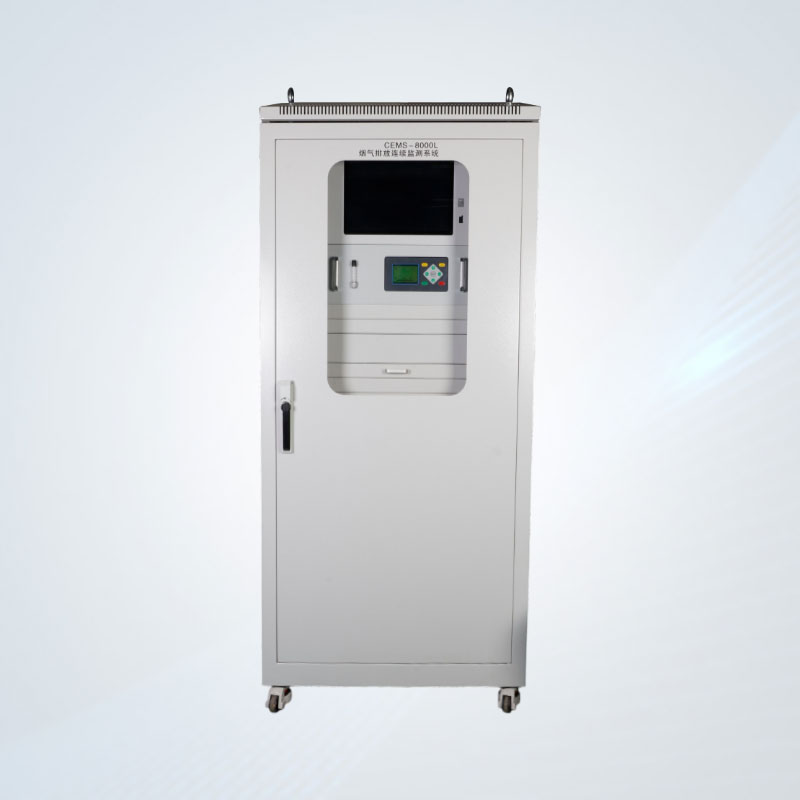
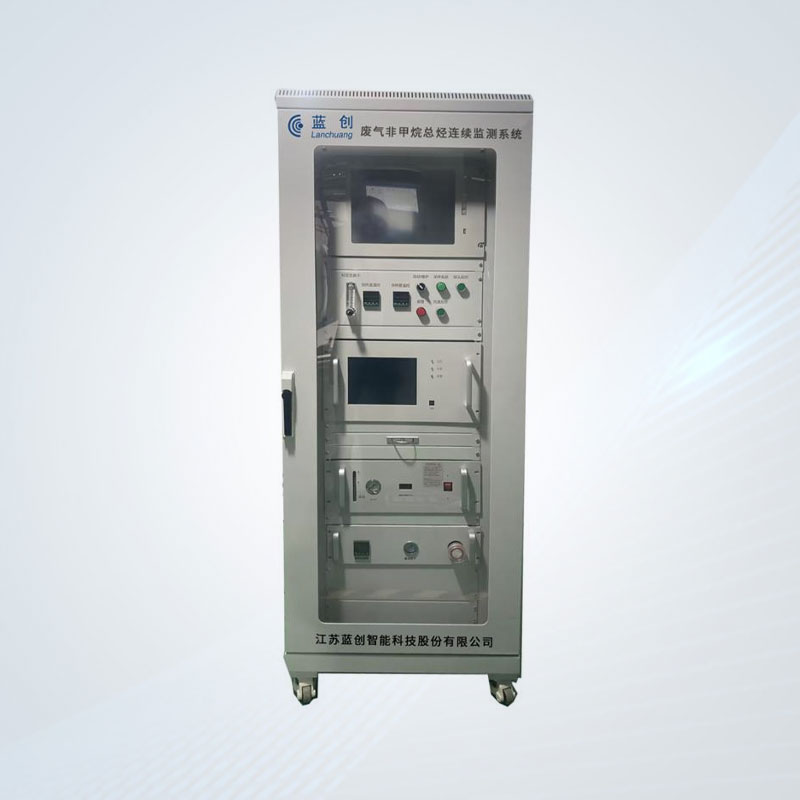
A Nitrogen Oxide (NOx) sensor is a high-precision electrochemical or optical device designed to detect, quantify, and monitor concentrations of nitrogen oxides—primarily nitric oxide (NO) and nitrogen dioxide (NO₂)—in gaseous environments. As a critical component in emissions control systems, it converts chemical reactions between NOx gases and its sensing elements into measurable electrical signals, enabling real-time monitoring and regulation to comply with strict environmental standards. NOx sensors are widely used in automotive exhaust systems, industrial combustion processes, and ambient air quality monitoring, playing an indispensable role in reducing air pollution and protecting ecological environments. This article systematically elaborates on the core definition, working principles, main types, key performance parameters, typical application scenarios, installation guidelines, and maintenance strategies of NOx sensors, integrating practical technical experience and industry specifications to provide comprehensive guidance for engineers, maintenance technicians, and quality control personnel in related fields.
I. Core Definition and Working Principles of NOx Sensors
NOx sensors are specialized gas-sensing devices that measure the concentration of nitrogen oxides in gas mixtures, with a detection range typically spanning from a few parts per billion (ppb) to several thousand parts per million (ppm). The core function of a NOx sensor is to distinguish NOx from other interfering gases (such as oxygen, carbon monoxide, and hydrocarbons) and convert the chemical concentration of NOx into a stable, linear electrical signal (current or voltage) that can be read by control systems. The working principle of NOx sensors varies according to their type, but the most widely used technologies are electrochemical (zirconia-based) and optical detection, with electrochemical sensors dominating the automotive and industrial markets due to their high precision, durability, and cost-effectiveness.
1.1 Electrochemical (Zirconia-Based) NOx Sensor Principle
The majority of automotive and industrial NOx sensors adopt yttria-stabilized zirconia (YSZ) as the solid electrolyte, which exhibits high oxygen ion conductivity at high temperatures (typically 600–800°C). These sensors feature a multi-cell structure, including an oxygen pumping cell, a NOx measurement cell, and an integrated heating system, working together to eliminate interference and ensure accurate detection:
- Oxygen Pumping Cell: This cell is responsible for removing ambient oxygen from the gas sample to create an oxygen-free measurement environment. By applying a bias voltage (approximately -200 to -400 mV), oxygen molecules (O₂) are reduced at the cathode (O₂ + 4e⁻ → 2O²⁻) and pumped as oxygen ions through the YSZ electrolyte to the anode. This step eliminates oxygen interference, as oxygen molecules would otherwise affect the accuracy of NOx detection.
- NOx Measurement Cell: The oxygen-depleted gas sample then enters the measurement cell, where NOx molecules are catalytically decomposed on the electrode surface (e.g., 2NO + 4e⁻ → N₂ + 2O²⁻ or NO₂ + 3e⁻ → NO + O²⁻). The resulting oxygen ions generate a diffusion-limited current (Ip) that is directly proportional to the NOx concentration—higher NOx concentrations produce a larger current, and vice versa. This current is converted into a ppm value by the sensor’s signal processing unit.
- Integrated Heating System: An internal ceramic heater maintains the sensor at a stable operating temperature (650–800°C), which is critical for activating the ionic conductivity of YSZ and preventing condensation of moisture or exhaust byproducts. The heater ensures rapid light-off (typically <80 seconds) after startup, enabling the sensor to provide accurate readings quickly.
1.2 Optical NOx Sensor Principle
Optical NOx sensors rely on the principle of gas absorption spectroscopy, where NOx molecules absorb light at specific wavelengths (ultraviolet or infrared). These sensors use a light source, a sample chamber, and a detector to measure the intensity of light transmitted through the gas sample—higher NOx concentrations absorb more light, resulting in a lower transmitted light intensity. Common optical technologies include non-dispersive infrared (NDIR) and ultraviolet (UV) absorption, each with unique advantages:
- Non-Dispersive Infrared (NDIR) Sensors: Utilize the infrared absorption characteristics of NOx molecules (NO absorbs at 5.3 μm, NO₂ at 6.2 μm). They are highly selective, unaffected by most interfering gases, and suitable for high-precision industrial monitoring.
- Ultraviolet (UV) Sensors: Detect NOx using UV light absorption (NO absorbs at 215 nm, NO₂ at 405 nm). They offer high sensitivity (ppb-level detection) and fast response times, making them ideal for ambient air quality monitoring and laboratory analysis.
1.3 Semiconductor (MOS) NOx Sensor Principle
Semiconductor NOx sensors use metal oxide semiconductors (such as SnO₂, ZnO, or TiO₂) whose electrical resistance changes when exposed to NOx gases. In the presence of NOx, the semiconductor surface undergoes chemical reactions that alter its charge carrier concentration, leading to a measurable change in resistance. These sensors are low-cost, compact, and easy to miniaturize but have lower precision and selectivity compared to electrochemical and optical sensors, making them suitable for low-cost consumer applications and basic industrial monitoring.
II. Main Types of NOx Sensors
NOx sensors are classified based on their detection principle, structure, and application scenarios. Each type has unique characteristics, advantages, and limitations, making them suitable for different fields. The following are the most common types of NOx sensors:
2.1 Electrochemical (Zirconia-Based) NOx Sensors
Electrochemical NOx sensors are the most widely used type, particularly in automotive and industrial applications. They are further divided into two subcategories based on their structure:
2.1.1 Planar Multi-Cell Sensors
These sensors feature a multi-layer planar ceramic structure (YSZ substrate, electrodes, and heater) fabricated using thin-film technology. They are compact, lightweight, and have fast response times (<1400 ms), making them ideal for automotive exhaust systems. Most modern diesel vehicles use planar multi-cell NOx sensors as part of their Selective Catalytic Reduction (SCR) systems, where they monitor NOx concentrations to adjust urea (AdBlue) injection.
Key components include a sensing probe (YSZ ceramic chip with porous platinum electrodes), an integrated heater, a signal processing unit (converts current to ppm values via CAN communication), and a stainless steel/aluminum housing with an M20×1.5 mounting thread for exhaust installation.
2.1.2 Tubular Sensors
Tubular electrochemical sensors have a cylindrical YSZ tube structure, with electrodes coated on the inner and outer surfaces. They are more durable than planar sensors and can withstand higher temperatures and harsh environments, making them suitable for industrial flue gas monitoring (e.g., power plants, steel mills). However, they are larger, heavier, and have slower response times compared to planar sensors.
2.2 Optical NOx Sensors
Optical NOx sensors are primarily used in high-precision applications that require ppb-level detection and high selectivity. They are divided into NDIR and UV types:
2.2.1 NDIR NOx Sensors
NDIR sensors use infrared light sources and filters to target specific NOx absorption wavelengths, ensuring minimal interference from other gases. They are widely used in industrial flue gas analyzers, power plant emissions monitoring, and laboratory equipment. Their main advantages are high selectivity, long service life, and no need for frequent calibration.
2.2.2 UV NOx Sensors
UV sensors use UV light to detect NOx, offering higher sensitivity (down to 1 ppb) than NDIR sensors. They are used in ambient air quality monitoring stations, tunnel emissions tracking, and environmental research. UV sensors are also capable of distinguishing between NO and NO₂, providing separate concentration readings for each gas.
2.3 Semiconductor (MOS) NOx Sensors
Semiconductor NOx sensors are low-cost, compact, and easy to integrate into small devices. They are commonly used in consumer air quality monitors, portable detectors, and low-cost industrial applications where high precision is not required. Their main limitations are poor selectivity (susceptible to interference from humidity, CO, and hydrocarbons) and drift over time, requiring frequent calibration.
III. Key Performance Parameters of NOx Sensors
The performance of NOx sensors is evaluated based on several core parameters, which directly affect their accuracy, reliability, and suitability for specific applications. The following are the key performance parameters for most NOx sensors:
3.1 Measurement Range
The measurement range refers to the minimum and maximum NOx concentrations that the sensor can detect accurately. For automotive applications, the typical range is 0–2500 ppm (NOx), covering the exhaust concentrations of diesel and gasoline engines. Industrial sensors have a wider range (0–10,000 ppm), while ambient air quality sensors have a much lower range (0–500 ppb) to detect trace NOx levels.
3.2 Accuracy and Precision
Accuracy is the difference between the sensor’s measured value and the actual NOx concentration, while precision is the consistency of repeated measurements. For automotive sensors, the typical accuracy is: ±10 ppm (0–100 ppm), ±10% (100–500 ppm), and ±30% (500–2500 ppm). High-precision optical sensors for ambient monitoring have an accuracy of ±5 ppb or better.
3.3 Response Time
Response time is the time required for the sensor to reach 33% to 66% of its final measured value after exposure to a step change in NOx concentration. Automotive sensors typically have a response time<1400 ms, while industrial and ambient sensors have faster response times (500–1000 ms) to ensure real-time monitoring.
3.4 Operating Temperature
Electrochemical sensors require an operating temperature of 600–800°C (maintained by the integrated heater), while their ambient operating temperature range is -40°C to 800°C (to withstand harsh exhaust or flue gas environments). Optical and semiconductor sensors have a wider ambient temperature range (-20°C to 60°C) and do not require high internal temperatures.
3.5 Supply Voltage and Power Consumption
Automotive NOx sensors typically use a 12V or 24V supply voltage, with power consumption ranging from 5W to 15W (primarily for the integrated heater). Industrial and ambient sensors use 24V DC or 110/220V AC, with lower power consumption (1–5W) due to the absence of high-temperature heaters.
3.6 Light-Off Time
Light-off time is the time required for the sensor to reach its operating temperature and start providing accurate readings after startup. For automotive sensors, the light-off time is typically <80 seconds, ensuring rapid activation after engine startup to comply with emissions regulations.
IV. Typical Application Scenarios of NOx Sensors
NOx sensors are widely used in automotive, industrial, and environmental fields, where they play a critical role in emissions control, process optimization, and air quality management. The following are the most typical application scenarios:
4.1 Automotive Emissions Control
The automotive industry is the largest application field for NOx sensors, particularly in diesel vehicles equipped with SCR systems. Key applications include:
- Diesel Vehicles: NOx sensors monitor exhaust NOx concentrations upstream and downstream of the SCR catalyst. The engine control unit (ECU) uses this data to adjust urea injection rates, ensuring that NOx emissions are reduced by >90% to meet Euro 6/VI, EPA, and other global emissions standards.
- Gasoline Engines: NOx sensors support lean-burn gasoline engines and NOx adsorber systems, monitoring NOx emissions to optimize fuel injection and ignition timing, reducing emissions and improving fuel efficiency.
- On-Board Diagnostics (OBD): NOx sensors are part of the OBD system, monitoring their own health and the efficiency of the aftertreatment system. If the sensor fails or the aftertreatment system is ineffective, the OBD system triggers a warning light to alert the driver and prevent non-compliant emissions.
4.2 Industrial Process Monitoring
NOx sensors are widely used in industrial combustion processes to monitor and control NOx emissions, ensuring compliance with environmental regulations and optimizing process efficiency:
- Power Plants: Coal-fired, gas-fired, and biomass power plants use NOx sensors to monitor flue gas NOx concentrations, optimizing denitrification systems (such as selective non-catalytic reduction, SNCR) to reduce emissions.
- Steel and Cement Plants: High-temperature combustion processes in steelmaking and cement production generate large amounts of NOx. NOx sensors monitor emissions and adjust combustion parameters (e.g., air-fuel ratio, temperature) to minimize NOx formation.
- Chemical and Petrochemical Industry: NOx sensors detect NOx in production processes (e.g., ethylene cracking, ammonia synthesis) to ensure worker safety and environmental compliance, as NOx is a toxic gas at high concentrations.
4.3 Environmental Air Quality Management
NOx sensors play a key role in monitoring ambient air quality, as NOx is a major precursor to ozone (O₃) and fine particulate matter (PM2.5), which are harmful to human health and the environment:
- Urban Air Quality Stations: Fixed air quality monitoring stations use high-precision optical NOx sensors to measure ambient NOx concentrations, providing data for environmental protection agencies to assess air quality and implement pollution control measures.
- Tunnel and Highway Monitoring: Real-time NOx sensors installed in tunnels and along highways monitor traffic emissions, helping urban planners optimize traffic flow and reduce pollution hotspots.
- Portable Air Quality Monitors: Consumer and professional portable monitors use semiconductor or small optical NOx sensors to measure indoor and outdoor NOx concentrations, helping individuals and organizations assess air quality.
V. Installation and Maintenance Guidelines
Proper installation and regular maintenance are essential to ensure the accuracy, reliability, and long service life of NOx sensors. The following guidelines apply to most common NOx sensor types:
5.1 Proper Installation
- Positioning: For automotive exhaust sensors, mount the sensor upstream and downstream of the SCR catalyst (dual sensors) to measure NOx concentrations before and after treatment, enabling the ECU to calculate catalyst efficiency. For industrial flue gas sensors, mount the sensor in a straight section of the flue, away from bends, valves, and heat sources to ensure representative gas sampling.
- Sealing: Use high-temperature gaskets to seal the sensor mounting thread (typically M20×1.5 for automotive sensors) to prevent gas leakage, which can affect measurement accuracy and cause safety hazards.
- Wiring: Connect the sensor to the control system via shielded cables to avoid electromagnetic interference (EMI) from high-voltage systems. For automotive sensors, use CAN bus communication to ensure stable signal transmission.
- Orientation: Align the sensor probe with the gas flow direction to ensure uniform gas contact with the sensing element. Avoid mounting the sensor upside down, as this can lead to condensation buildup and sensor damage.
5.2 Regular Maintenance
- Cleaning: Remove soot, oil deposits, and other contaminants from the sensor probe every 6–12 months (more frequently for high-pollution environments). Use a soft brush or compressed air to clean the probe—avoid abrasive cleaners, which can damage the sensing element.
- Calibration: Calibrate the sensor annually using standard NOx gas mixtures to maintain accuracy. For high-precision industrial and ambient sensors, calibration may be required every 6 months. Follow the manufacturer’s guidelines for calibration procedures and equipment.
- Heater Inspection: For electrochemical sensors, check the integrated heater regularly to ensure it maintains the correct operating temperature. A faulty heater can lead to slow response times and inaccurate readings.
- Cable and Connection Check: Inspect the sensor cables and connections for damage, corrosion, or loose contacts. Replace damaged cables promptly to avoid signal loss or sensor failure.
- Replacement: The typical service life of NOx sensors is 5–10 years (automotive) or 2–5 years (industrial). Replace the sensor if it fails calibration, shows significant drift, or stops working properly.
VI. Common Defects and Troubleshooting
NOx sensors may experience various defects during operation, which can affect their performance and accuracy. The following are common defects and corresponding troubleshooting methods:
6.1 Common Defects
- Inaccurate Readings: Caused by sensor drift, contamination, incorrect calibration, or oxygen interference. This can lead to incorrect urea injection (automotive) or inaccurate emissions reporting (industrial).
- Slow Response Time: Caused by a faulty heater (electrochemical sensors), clogged probe, or low operating temperature. Slow response can delay emissions control and affect process optimization.
- No Signal Output: Caused by a damaged sensor, loose connections, or a faulty signal processing unit. This can trigger OBD warning lights (automotive) or stop emissions monitoring (industrial).
- Sensor Drift: Caused by long-term use, contamination, or temperature fluctuations. Drift leads to gradual loss of accuracy, requiring calibration or replacement.
6.2 Troubleshooting Methods
- Inaccurate Readings: Clean the sensor probe, recalibrate using standard gas mixtures, and check for oxygen leakage in the measurement system. For electrochemical sensors, verify the heater is working properly.
- Slow Response Time: Clean the probe to remove clogs, check the heater voltage and current, and ensure the sensor is mounted correctly to receive adequate gas flow.
- No Signal Output: Inspect cables and connections for damage or looseness, test the sensor with a multimeter, and replace the sensor if it fails to generate a signal.
- Sensor Drift: Recalibrate the sensor; if drift persists, replace the sensor with a new one.
VII. Future Development Trends of NOx Sensors
With the increasing stringency of environmental regulations and the development of intelligent manufacturing, NOx sensors are moving toward higher precision, miniaturization, intelligence, and integration. The main development trends are as follows:
- High Precision and Selectivity: Advances in materials science and sensor design are improving the accuracy and selectivity of NOx sensors, enabling them to detect trace NOx levels (ppb) and distinguish between NO and NO₂ more effectively, even in the presence of interfering gases.
- Miniaturization and Integration: Miniaturized NOx sensors are being developed for portable devices and small-scale applications, such as wearable air quality monitors and drone-based environmental monitoring. Integration with other sensors (e.g., O₂, CO₂, PM2.5) enables comprehensive gas monitoring.
- Intelligent and Self-Diagnostic: NOx sensors with built-in self-diagnostic functions can monitor their own health, detect faults, and send alerts to the control system, reducing maintenance costs and improving reliability. Integration with IoT technology enables remote monitoring and data analysis.
- Low Power Consumption: Advances in heater technology and sensor design are reducing the power consumption of electrochemical sensors, making them suitable for battery-powered portable devices and remote monitoring applications.
- Green and Sustainable: The development of eco-friendly materials and manufacturing processes is reducing the environmental impact of NOx sensors, aligning with global sustainability goals.
VIII. Conclusion
Nitrogen Oxide (NOx) sensors are critical devices for emissions control, industrial process optimization, and environmental air quality management. By accurately detecting and quantifying NOx concentrations, they enable compliance with strict environmental regulations, reduce air pollution, and protect human health and the ecological environment. Electrochemical (zirconia-based) sensors dominate the automotive and industrial markets due to their high precision, durability, and cost-effectiveness, while optical sensors are preferred for high-precision ambient monitoring and laboratory applications.
Proper installation, regular calibration, and maintenance are essential to ensure the performance and reliability of NOx sensors. By following the guidelines outlined in this article, engineers and technicians can maximize the service life of NOx sensors and ensure accurate, real-time monitoring.
With the development of new materials, sensor technology, and intelligent systems, NOx sensors will continue to evolve, becoming more precise, miniaturized, and integrated. They will play an increasingly important role in addressing global air pollution challenges and supporting the transition to a more sustainable, low-emission future.