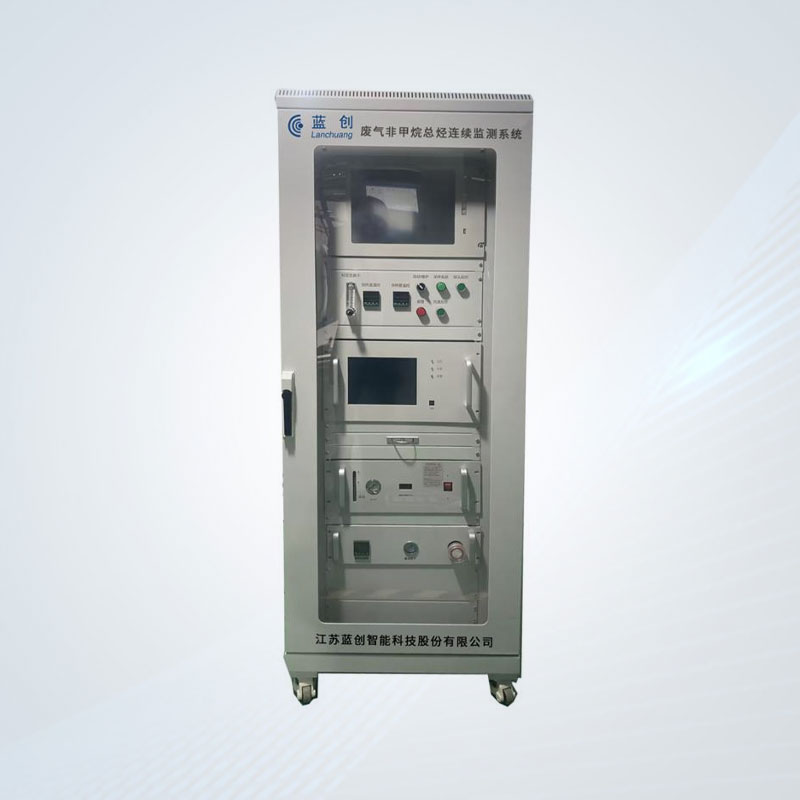
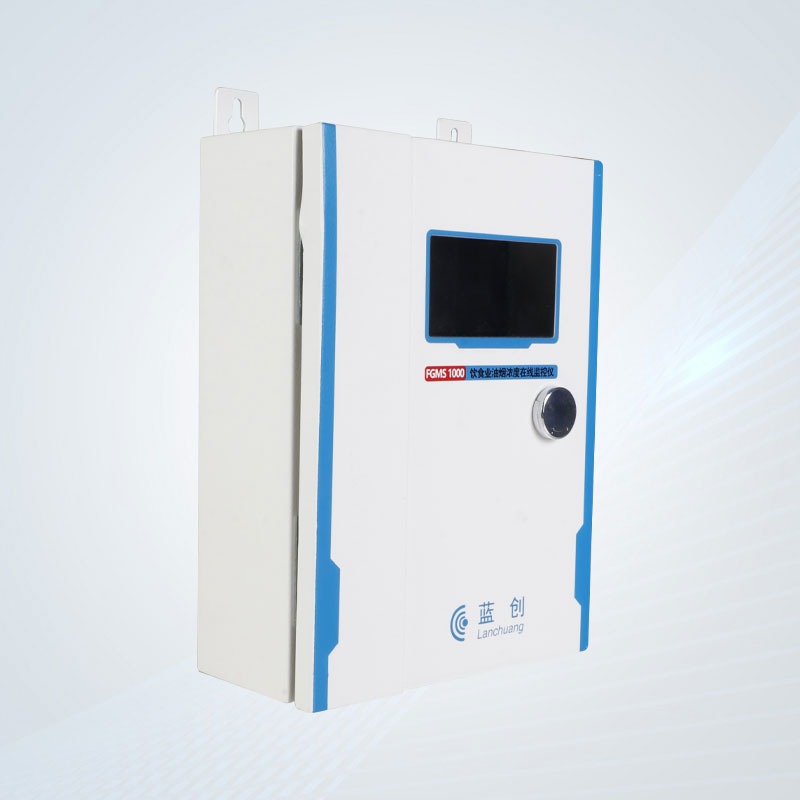
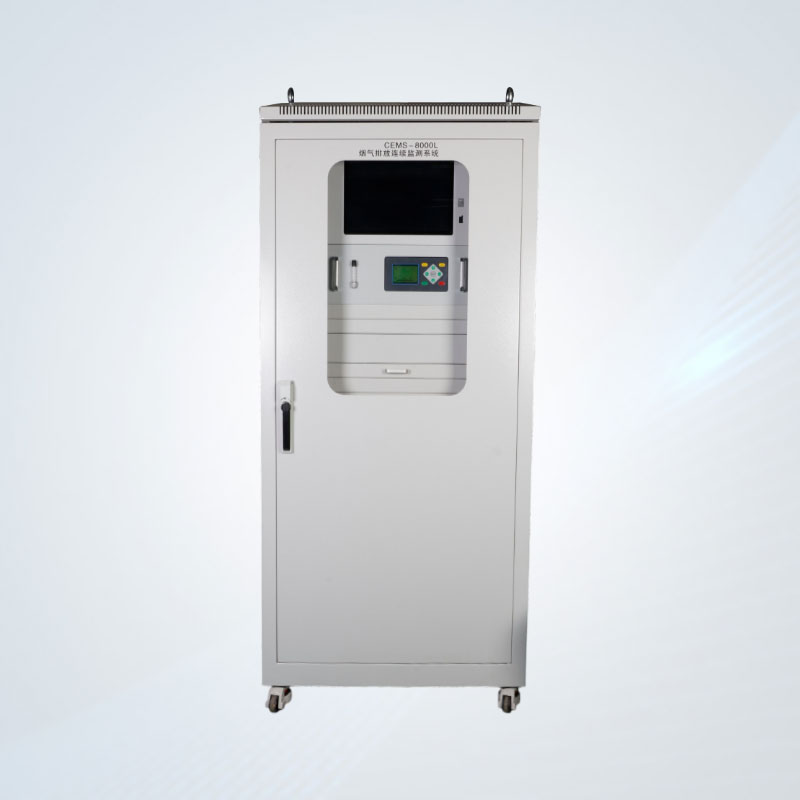
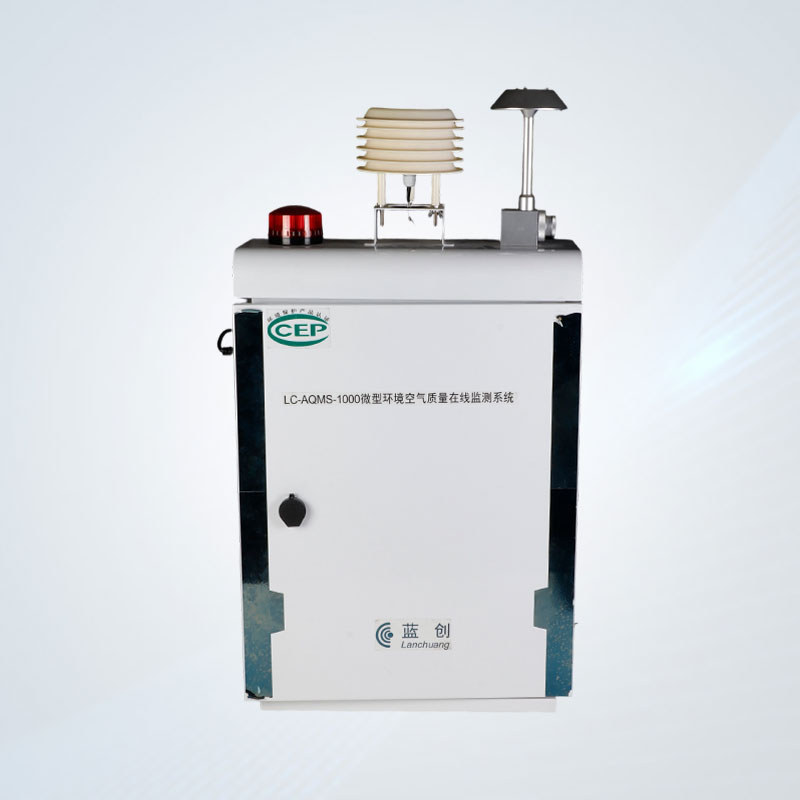
A micro air quality monitoring station (referred to as a micro air station) is a compact, portable, and cost-effective environmental monitoring device designed to real-time detect and analyze key air pollutants, including particulate matter (PM2.5, PM10), gaseous pollutants (NO₂, SO₂, O₃, CO), and meteorological parameters (temperature, humidity, wind speed, wind direction). As a supplement to traditional large-scale fixed air quality monitoring stations, micro air stations overcome the limitations of high cost, complex installation, and sparse distribution of conventional stations, enabling dense layout, flexible deployment, and real-time monitoring of air quality in small-scale areas. Integrating advanced sensor technology, data acquisition, and IoT communication, micro air stations have become an essential tool for urban air quality fine management, environmental pollution source tracing, and public health protection. This article systematically elaborates on the core definition, working principles, main types, key performance parameters, typical application scenarios, installation guidelines, maintenance strategies, and future trends of micro air stations, integrating practical industrial experience and environmental monitoring specifications to provide comprehensive guidance for environmental protection professionals, maintenance technicians, and relevant management personnel.
I. Core Definition and Working Principles of Micro Air Stations
Micro air stations are miniaturized environmental monitoring systems that integrate pollutant sensors, meteorological sensors, data acquisition modules, and communication modules. Unlike traditional large-scale air monitoring stations that require professional infrastructure and complex calibration, micro air stations feature small size, low power consumption, and easy installation, which can be quickly deployed in various scenarios to achieve real-time, high-frequency monitoring of local air quality. Their core function is to convert the concentration of air pollutants and meteorological parameters into digital signals, transmit the data to the monitoring platform through wired or wireless communication, and provide data support for air quality evaluation, pollution source analysis, and environmental management.
1.1 Core Working Process
The working process of a micro air station consists of five key stages, forming a closed-loop of air sampling, signal collection, data processing, data transmission, and platform display, ensuring accurate and real-time monitoring of air quality:
- Air Sampling: The micro air station is equipped with a high-precision sampling pump and sampling pipeline, which continuously collects ambient air into the sensor detection chamber. The sampling process needs to ensure that the air sample is representative, avoiding the influence of external interference (such as dust accumulation, water vapor, and direct sunlight) on the detection results. Some advanced models are equipped with a pre-filter to remove large particles and impurities, protecting the sensor and improving measurement accuracy.
- Sensor Signal Collection: The collected air sample comes into contact with the built-in pollutant sensors and meteorological sensors. Pollutant sensors (e.g., optical sensors for PM2.5/PM10, electrochemical sensors for NO₂/SO₂) convert the pollutant concentration into analog electrical signals, while meteorological sensors collect parameters such as temperature, humidity, wind speed, and wind direction, providing auxiliary data for analyzing pollutant diffusion trends.
- Data Processing: The analog signals collected by the sensors are sent to the built-in data acquisition module, which converts the analog signals into digital signals through analog-to-digital conversion (ADC). The module also performs data filtering, error correction, and temperature/humidity compensation to eliminate interference signals and reduce measurement errors, ensuring the stability and accuracy of the data.
- Data Transmission: The processed digital data is transmitted to the cloud monitoring platform or local control system through communication modules. Common communication methods include wireless protocols (NB-IoT, LoRa, 4G/5G) and wired protocols (Ethernet, RS485), enabling real-time data upload and remote monitoring. The data transmission process complies with environmental monitoring data standards to ensure data integrity and traceability.
- Data Display and Analysis: The monitoring platform receives and stores the uploaded data, displaying real-time pollutant concentrations, meteorological parameters, and historical data curves. Users can query data through the platform, set over-limit alarms, and conduct data analysis to identify pollution sources, track pollution trends, and provide a basis for environmental management decisions.
1.2 Key Technical Advantages
Compared with traditional large-scale air quality monitoring stations, micro air stations have obvious technical and practical advantages, making them widely used in environmental monitoring scenarios:
- Compact and Flexible Deployment: With small size (usually 30-50cm in height) and light weight, micro air stations can be installed on walls, poles, roofs, and other locations without professional infrastructure, enabling rapid deployment in urban blocks, industrial parks, residential areas, and other small-scale areas.
- Low Cost and High Cost-Effectiveness: The cost of a single micro air station is only 1/10 to 1/5 of that of a traditional large-scale station, which can realize dense layout with limited investment, solving the problem of sparse distribution of traditional stations and achieving full coverage of air quality monitoring in key areas.
- Real-Time and High-Frequency Monitoring: The monitoring frequency can reach once per minute, realizing real-time tracking of air quality changes, which is more sensitive to sudden pollution events (such as dust pollution, exhaust gas leakage) than traditional stations, and can send early warning signals in a timely manner.
- Low Power Consumption and Energy Saving: Adopting low-power components and intelligent power management technology, the power consumption is usually 5-20W, which can be powered by AC power, solar energy, or battery, suitable for long-term operation in remote areas without power supply.
- Intelligent and Remote Management: Equipped with self-diagnostic, remote calibration, and data remote query functions, users can monitor the working status of the micro air station through the cloud platform, conduct remote calibration and fault handling, reducing maintenance costs and workload.
II. Main Types of Micro Air Stations
Micro air stations are classified based on monitoring parameters, communication methods, power supply modes, and application scenarios, each with unique characteristics and applicable scenarios. The following are the most common types of micro air stations in environmental monitoring applications:
2.1 By Monitoring Parameters
This is the most common classification method, with micro air stations designed for different monitoring needs to detect specific pollutants and meteorological parameters:
2.1.1 Particulate Matter (PM) Monitoring Micro Stations
These micro stations mainly detect particulate matter PM2.5 and PM10, equipped with optical scattering sensors or laser diffraction sensors to measure the concentration of fine particles in the air. They are widely used in urban residential areas, roadsides, and industrial parks to monitor dust pollution and the impact of vehicle exhaust on air quality. Typical measurement ranges are 0-1000 μg/m³ for PM2.5 and 0-2000 μg/m³ for PM10, with high measurement accuracy and fast response speed.
2.1.2 Gaseous Pollutant Monitoring Micro Stations
These micro stations focus on detecting gaseous pollutants such as NO₂, SO₂, O₃, and CO, equipped with electrochemical sensors or optical sensors. They are suitable for monitoring industrial exhaust emissions, boiler flue gas, and road vehicle exhaust, helping to trace gaseous pollution sources. For example, NO₂ monitoring micro stations are widely used in road sections with heavy traffic to monitor the impact of vehicle exhaust, while SO₂ monitoring micro stations are used in industrial areas near coal-fired enterprises.
2.1.3 Comprehensive Monitoring Micro Stations
These micro stations integrate particulate matter, gaseous pollutants, and meteorological parameter monitoring functions, capable of simultaneously detecting PM2.5, PM10, NO₂, SO₂, O₃, CO, temperature, humidity, wind speed, and wind direction. They are the most widely used type of micro air station, suitable for urban air quality fine management, environmental protection supervision, and public health monitoring, providing comprehensive air quality data.
2.2 By Communication Method
Micro air stations are classified according to the supported communication protocols, which determine their data transmission mode and application scope:
2.2.1 Wireless Micro Air Stations
These micro stations use wireless communication protocols such as NB-IoT, LoRa, 4G, or 5G to transmit data, without the need for wired wiring, enabling flexible deployment in remote areas or areas where wiring is difficult. NB-IoT and LoRa protocols are suitable for low-power, long-distance data transmission, while 4G/5G protocols are suitable for high-frequency, large-data-volume real-time transmission, widely used in urban and industrial monitoring scenarios.
2.2.2 Wired Micro Air Stations
These micro stations use wired communication methods such as Ethernet or RS485 to transmit data, with stable transmission performance and low signal interference, suitable for fixed monitoring scenarios with stable power supply and wiring conditions, such as industrial parks, monitoring stations, and government agencies.
2.3 By Power Supply Mode
According to the power supply method, micro air stations can be divided into:
- AC-Powered Micro Air Stations: Powered by 220V AC power, suitable for fixed installation scenarios with stable power supply, such as roofs of buildings, industrial workshops, and monitoring points near power supply facilities. They have stable power supply and no need to replace batteries, suitable for long-term continuous operation.
- Solar-Powered Micro Air Stations: Equipped with solar panels and energy storage batteries, suitable for remote areas without AC power supply, such as rural areas, construction sites, and mountainous areas. They can realize self-sufficiency in power supply, reducing the cost of wiring and power supply, and are environmentally friendly and energy-saving.
- Battery-Powered Micro Air Stations: Powered by rechargeable lithium batteries, with small size and high portability, suitable for temporary monitoring scenarios, such as emergency pollution monitoring, construction site dust monitoring, and temporary environmental surveys. The battery life is usually 7-30 days, which can be extended by replacing batteries.
III. Key Performance Parameters of Micro Air Stations
The performance of micro air stations is evaluated based on several core parameters, which directly affect their measurement accuracy, reliability, and suitability for specific monitoring scenarios. The following are the key performance parameters for most micro air stations, referring to relevant environmental monitoring specifications:
3.1 Measurement Range and Accuracy
The measurement range and accuracy are the core parameters of micro air stations, which vary according to the type of monitored pollutants. The typical measurement range and accuracy are as follows:
- PM2.5: Measurement range 0-1000 μg/m³, accuracy ±10 μg/m³ (0-100 μg/m³) or ±10% (100-1000 μg/m³);
- PM10: Measurement range 0-2000 μg/m³, accuracy ±20 μg/m³ (0-200 μg/m³) or ±10% (200-2000 μg/m³);
- NO₂/SO₂: Measurement range 0-2000 ppb, accuracy ±5 ppb (0-100 ppb) or ±5% (100-2000 ppb);
- O₃: Measurement range 0-2000 ppb, accuracy ±5 ppb (0-100 ppb) or ±5% (100-2000 ppb);
- CO: Measurement range 0-5000 ppm, accuracy ±10 ppm (0-100 ppm) or ±5% (100-5000 ppm).
3.2 Resolution
Resolution refers to the minimum change in pollutant concentration that the micro air station can detect, which directly affects the sensitivity of the station. For particulate matter, the resolution is usually 1 μg/m³; for gaseous pollutants, the resolution is 1 ppb (for NO₂, SO₂, O₃) or 1 ppm (for CO). Higher resolution means the micro air station can detect smaller changes in pollutant concentrations, suitable for high-precision monitoring scenarios.
3.3 Response Time
Response time is the time required for the micro air station to output a stable measurement value after the pollutant concentration changes, usually expressed as T90 (the time to reach 90% of the final value). The typical response time of micro air stations is 10-60 seconds, and fast-response models (≤30 seconds) are suitable for monitoring sudden pollution events, ensuring timely detection and early warning of pollution.
3.4 Operating Environment
Micro air stations are usually used outdoors, so their operating environment adaptability is very important. The typical operating temperature range is -20°C to 60°C, and the operating humidity range is 0-95% RH (non-condensing). They should have waterproof, dustproof, and anti-electromagnetic interference capabilities, with a protection level of IP65 or higher, ensuring stable operation in harsh environments such as rain, snow, high temperature, and low temperature.
3.5 Power Consumption and Working Life
The power consumption of micro air stations varies according to the power supply mode and monitoring parameters, usually 5-20W for AC-powered models and 1-5W for solar-powered or battery-powered models. The service life of the sensors is 1-3 years (electrochemical sensors) or 3-5 years (optical sensors), and the overall service life of the micro air station is 3-5 years, which can be extended through regular maintenance and sensor replacement.
3.6 Data Transmission Performance
The data transmission performance includes transmission frequency, data integrity, and communication stability. The typical data transmission frequency is 1-5 minutes per time, which can be adjusted according to monitoring needs. The data transmission success rate should be ≥95%, ensuring that the monitoring data is uploaded to the platform in a timely and complete manner. Wireless micro air stations should have strong anti-interference ability, ensuring stable data transmission in complex environments.
IV. Typical Application Scenarios of Micro Air Stations
With the advantages of compact size, flexible deployment, and low cost, micro air stations are widely used in various environmental monitoring scenarios, playing a critical role in air quality fine management, pollution source tracing, and environmental supervision. The following are the most typical application scenarios, combined with practical project experience:
4.1 Urban Air Quality Fine Management
Micro air stations are densely deployed in urban areas, forming a three-dimensional air quality monitoring network, which makes up for the lack of traditional large-scale stations. For example, in urban blocks, residential areas, roadsides, and parks, micro air stations are installed to monitor the spatial distribution of air quality in real time, identify pollution hotspots, and provide data support for urban environmental management and air pollution control. Many cities have deployed dozens of micro air stations to achieve full coverage of key areas, such as the 39 micro air stations deployed in Xindu District, Chengdu, which are managed by professional third-party institutions to ensure stable operation and smooth data transmission.
4.2 Industrial Park Pollution Monitoring
In industrial parks, micro air stations are deployed around factories, workshops, and exhaust emission points to monitor the concentration of pollutants (such as PM2.5, PM10, NO₂, SO₂) in real time, track the emission of industrial exhaust, and prevent excessive emissions. They can also be used to monitor the diffusion of pollutants in the park, evaluate the impact of industrial production on the surrounding environment, and provide a basis for environmental supervision and pollution control.
4.3 Construction Site Dust Monitoring
Construction sites are one of the main sources of dust pollution. Micro air stations are deployed on construction sites to monitor PM2.5 and PM10 concentrations in real time, and send over-limit alarms when the dust concentration exceeds the standard. This helps to supervise construction units to take dust control measures (such as sprinkling water, covering, and dust removal equipment), reducing the impact of construction dust on the surrounding air quality. The portable and battery-powered micro air stations are particularly suitable for temporary construction site monitoring.
4.4 Road Traffic Pollution Monitoring
Road vehicle exhaust is an important source of urban air pollution. Micro air stations are installed on both sides of busy roads, intersections, and near highways to monitor the concentration of NO₂, PM2.5, and CO in real time, analyze the impact of vehicle exhaust on air quality, and provide data support for traffic management and vehicle emission control. For example, monitoring the air quality near rush-hour traffic can help identify the peak period of vehicle exhaust pollution and formulate targeted control measures.
4.5 Environmental Supervision and Emergency Monitoring
Micro air stations are used by environmental protection departments for daily supervision and emergency pollution monitoring. In case of sudden pollution events (such as exhaust gas leakage, dust storms, and chemical spills), micro air stations can be quickly deployed to the scene to monitor the concentration and diffusion trend of pollutants in real time, providing data support for emergency disposal and pollution control. They also play an important role in environmental law enforcement, providing evidence for pollution source identification and law enforcement supervision.
4.6 Public Health and Community Monitoring
Micro air stations are installed in residential communities, schools, hospitals, and other places closely related to public health to monitor the air quality around these areas, providing residents with real-time air quality information and helping them take protective measures (such as wearing masks) when the air quality is poor. Some communities have installed micro air stations in green spaces and squares to provide residents with intuitive air quality feedback.
V. Installation and Maintenance Guidelines
Proper installation and regular maintenance are essential to ensure the accuracy, reliability, and long service life of micro air stations, especially in outdoor harsh environments. The following guidelines apply to most common micro air station types, referring to relevant environmental monitoring operation specifications and practical experience:
5.1 Proper Installation
- Positioning: Install the micro air station in a well-ventilated location, away from buildings, trees, and other obstacles that may block air flow. The installation height should be 2-5 meters above the ground (for road and community monitoring) or 5-10 meters above the ground (for industrial park monitoring) to ensure that the air sample is representative. Avoid installing it near pollution sources (such as exhaust outlets, garbage dumps) and humid areas (such as sewers, water pools) to prevent interference with measurement results.
- Fixing: Use a stable bracket to fix the micro air station, ensuring that it is firm and not easy to shake, avoiding the impact of vibration on the sensor. For wall-mounted installation, use expansion screws to fix the bracket to the wall; for pole-mounted installation, fix the bracket to the pole with a hoop, ensuring that the station is vertical and stable.
- Wiring and Power Supply: For AC-powered micro air stations, ensure that the power supply is stable and the wiring is correct, avoiding short circuits and leakage. For wireless micro air stations, install the antenna in a location with good signal reception to ensure stable data transmission. For solar-powered micro air stations, install the solar panel facing south, ensuring that it is not blocked by obstacles and can receive sufficient sunlight.
- Waterproof and Dustproof: Ensure that the connection between the micro air station and the bracket, as well as the interface of the sampling pipeline, is sealed to prevent rainwater and dust from entering the station, which may damage the sensor and circuit. The station should be equipped with a waterproof cover to protect it from rain and snow.
5.2 Regular Maintenance
Regular maintenance is crucial to ensure the measurement accuracy and stable operation of micro air stations. According to environmental monitoring specifications and practical experience, the following maintenance work should be carried out regularly:
- Cleaning: Clean the sampling port, pre-filter, and sensor detection chamber every 1-2 months to remove dust, dirt, and other impurities, which can avoid blockage and affect measurement accuracy. Use a soft brush or compressed air to clean, avoiding damage to the sensor. For micro air stations in dusty environments, the cleaning frequency should be increased to once every 2 weeks.
- Calibration: Calibrate the micro air station regularly using standard gas or standard equipment to ensure measurement accuracy. According to relevant specifications, the calibration should be carried out at least once a month, including zero calibration and range calibration, and the calibration process should be recorded in detail. When the monitoring data is abnormal or the sensor is replaced, calibration should be carried out in a timely manner. For key monitoring parameters such as PM2.5 and NO₂, the calibration interval can be shortened to once every 2 weeks if necessary.
- Sensor Inspection and Replacement: Inspect the sensor regularly (every 3-6 months) to check for damage, drift, or failure. If the sensor drift exceeds the allowable range or fails to work normally, replace it in a timely manner. The service life of electrochemical sensors is usually 1-3 years, and the service life of optical sensors is 3-5 years, which should be replaced according to the manufacturer’s guidelines.
- Circuit and Communication Check: Inspect the circuit, power supply, and communication module regularly to check for loose connections, corrosion, or damage. For wireless micro air stations, check the signal strength and data transmission success rate; for solar-powered micro air stations, check the solar panel and energy storage battery, ensuring that the battery can store sufficient power for normal operation.
- Data Verification: Regularly compare the monitoring data of the micro air station with the data of nearby traditional large-scale air monitoring stations to verify the accuracy of the data. If there is a large deviation, check the sensor and calibration status, and take corrective measures in a timely manner. At the same time, establish a fault system to handle abnormal data or equipment failures promptly.
VI. Common Defects and Troubleshooting
Micro air stations may experience various defects during outdoor operation, which can affect their measurement accuracy and data transmission. The following are common defects and corresponding troubleshooting methods, combined with practical experience:
6.1 Common Defects
- Inaccurate Measurement: Caused by sensor drift, incorrect calibration, sampling port blockage, or environmental interference (such as water vapor, dust). This can lead to deviation between the monitoring data and the actual air quality, affecting the reliability of the data.
- Data Transmission Failure: Caused by poor signal reception, damaged communication module, loose wiring, or power supply failure. This can lead to failure to upload monitoring data to the platform, resulting in data loss.
- Sensor Failure: Caused by sensor damage, aging, or contamination, resulting in no signal output or abnormal measurement data. For example, electrochemical sensors may fail due to water vapor intrusion, and optical sensors may fail due to dust accumulation.
- Power Supply Failure: For solar-powered or battery-powered micro air stations, power supply failure may be caused by insufficient sunlight, battery aging, or power line damage, resulting in the station stopping operation.
6.2 Troubleshooting Methods
- Inaccurate Measurement: Clean the sampling port and sensor detection chamber to remove blockages and contamination; recalibrate the sensor using standard gas or standard equipment; check the installation position to avoid environmental interference; if the sensor drift is serious, replace the sensor.
- Data Transmission Failure: Check the signal strength of the communication module and adjust the antenna position to improve signal reception; inspect the communication module and wiring for damage or looseness, and repair or replace them if necessary; check the power supply to ensure stable power supply; restart the micro air station to restore data transmission.
- Sensor Failure: Check the sensor for damage or contamination, clean or replace the sensor if necessary; check the sensor wiring to ensure correct connection; verify the sensor performance using standard equipment, and replace the sensor if it fails to meet the accuracy requirements.
- Power Supply Failure: For solar-powered micro air stations, check the solar panel for blockages and clean it to ensure sufficient sunlight; check the energy storage battery for aging and replace it if necessary; for AC-powered micro air stations, check the power line and power supply to ensure stable power supply.
VII. Future Development Trends of Micro Air Stations
With the increasing stringency of environmental protection requirements and the rapid development of IoT, AI, and sensor technology, micro air stations are moving toward high precision, intelligence, networking, and integration. The main development trends are as follows:
- High Precision and Selectivity: Improve the performance of sensors, develop high-precision optical and electrochemical sensors, enhance the selectivity of pollutants, and reduce the interference of other gases on measurement results. For example, develop sensors that can distinguish between different types of particulate matter and gaseous pollutants, improving measurement accuracy to meet higher environmental monitoring standards.
- Intelligent Upgrade: Integrate AI and machine learning technologies to realize adaptive parameter adjustment, predictive maintenance, and pollution source identification. For example, the micro air station can automatically analyze historical data to predict potential sensor failures and send early warning signals; through data analysis, it can identify the type and location of pollution sources, providing more targeted data support for environmental management.
- Networking and Integration: Realize the networking of multiple micro air stations, form a large-scale, high-density air quality monitoring network, and integrate with traditional large-scale monitoring stations, environmental monitoring platforms, and smart city systems. This enables unified management, data sharing, and comprehensive analysis of monitoring data, improving the efficiency of environmental management.
- Miniaturization and Portability: Develop more compact and portable micro air stations, reducing size and weight, and improving deployment flexibility. For example, develop handheld micro air stations for on-site emergency monitoring and mobile monitoring, which can be quickly deployed to any location to meet the needs of temporary monitoring.
- Low Power Consumption and Long Service Life: Optimize the circuit design and sensor technology, reduce power consumption, and extend the service life of sensors and the entire station. For example, develop low-power sensors and intelligent power management systems, enabling solar-powered micro air stations to operate stably for a long time in remote areas without frequent maintenance.
VIII. Conclusion
Micro air quality monitoring stations are important supplements to traditional large-scale air quality monitoring stations, playing an indispensable role in air quality fine management, pollution source tracing, and environmental supervision. With the advantages of compact size, flexible deployment, low cost, and real-time monitoring, they have been widely applied in urban, industrial, and public health fields, providing accurate and comprehensive air quality data for environmental protection work. The core of micro air stations lies in high-precision sensors and reliable data transmission, and proper installation, regular calibration, and scientific maintenance are the key to ensuring their stable operation and measurement accuracy, which is also emphasized in practical projects such as the micro air station service in Xindu District, Chengdu.
In the future, with the continuous development of sensor technology, IoT, and AI, micro air stations will be further upgraded, moving toward high precision, intelligence, and networking. They will play an increasingly important role in promoting environmental protection, improving air quality, and protecting public health, helping to build a more environmentally friendly and sustainable society. For environmental protection professionals and relevant management personnel, mastering the working principles, types, and maintenance methods of micro air stations is crucial to improving the efficiency of environmental monitoring and promoting the high-quality development of environmental protection work.