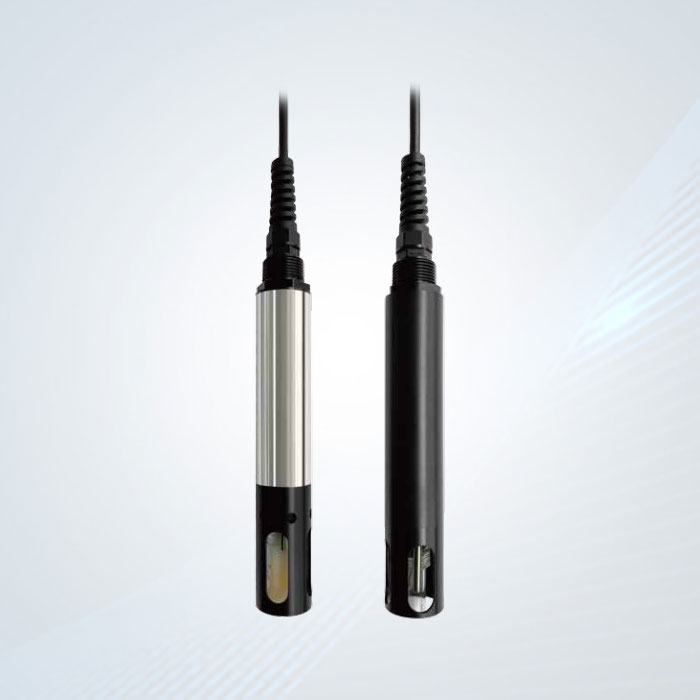
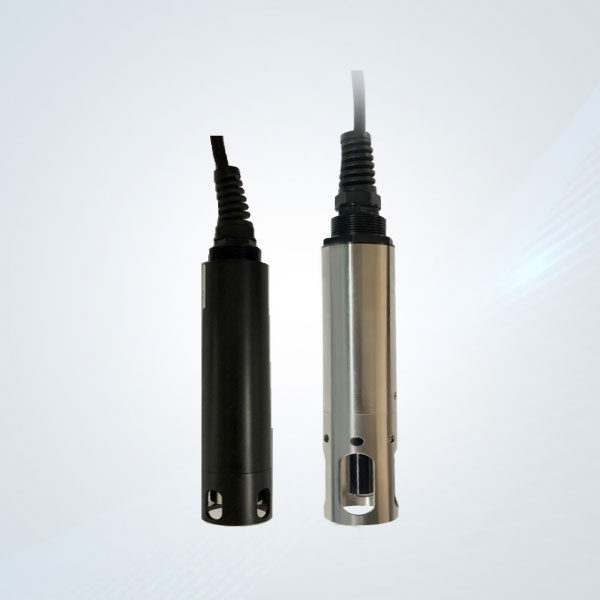
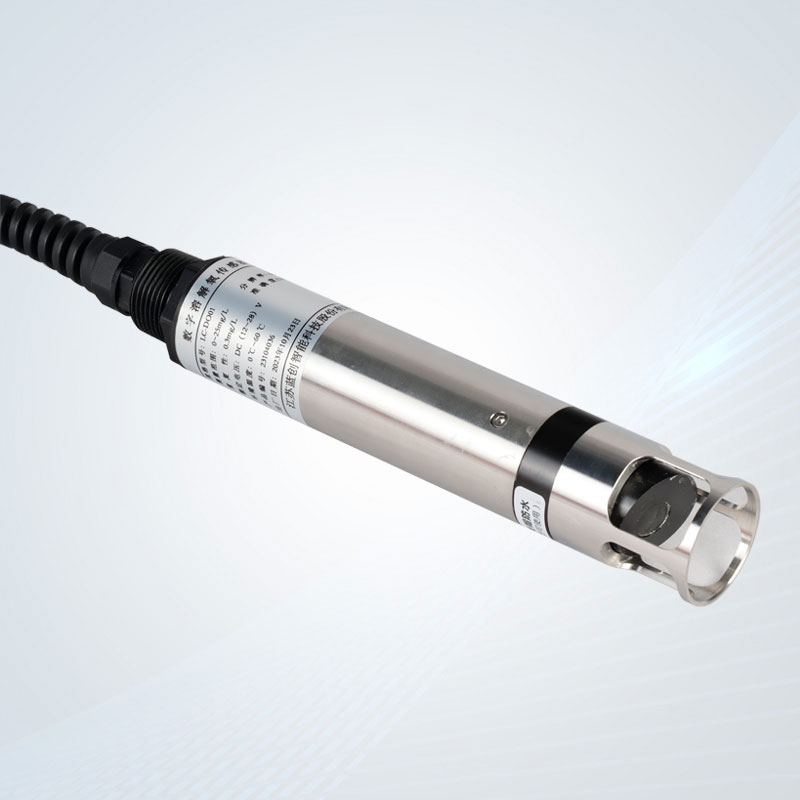
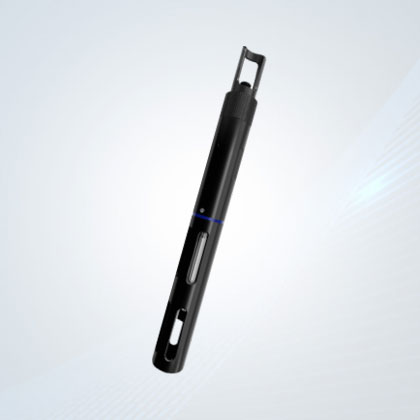
1. Overview of Water Quality Monitors
Water quality monitors are intelligent detection equipment designed to measure physical, chemical, and biological indicators of water bodies, which can realize real-time, continuous, or periodic detection of water quality, and output accurate detection data for water quality evaluation, pollution early warning, and governance decision-making. Unlike traditional manual sampling and laboratory detection methods, water quality monitors have the advantages of high efficiency, real-time performance, high accuracy, and automatic operation, which can effectively make up for the defects of manual detection such as long cycle, high labor cost, and poor timeliness.
The core design goal of water quality monitors is to realize comprehensive, accurate, and efficient detection of water quality indicators, covering physical indicators (temperature, turbidity, conductivity), chemical indicators (pH value, dissolved oxygen, chemical oxygen demand, heavy metals), and biological indicators (bacteria, algae, total coliforms). According to the use scenario and detection mode, water quality monitors can be divided into online water quality monitors (fixed type), portable water quality monitors (mobile type), and laboratory water quality monitors (desktop type), each adapting to different detection needs and application environments.
Water quality monitors must comply with strict national and international standards, such as ISO 17294 (water quality - guidelines for the selection and use of water quality monitoring equipment), GB/T 5750 (Standard Methods for Examination of Water and Wastewater), and EPA (Environmental Protection Agency) standards, to ensure the accuracy, reliability, and comparability of detection data. With the development of sensor technology, IoT, and artificial intelligence, water quality monitors are developing towards intelligence, miniaturization, and multi-functional integration.
2. Core Functions of Water Quality Monitors
The core functions of water quality monitors are centered on ""detection, analysis, early warning, and data management"", integrating multiple functional modules to meet the diverse needs of water quality monitoring in different scenarios. The following elaborates on the core functions and their implementation principles:
2.1 Multi-Indicator Comprehensive Detection
This is the most basic and core function of water quality monitors. A high-performance water quality monitor can detect multiple water quality indicators simultaneously, covering physical, chemical, and biological categories, without the need for separate detection of a single indicator, improving detection efficiency. The detection process is realized through dedicated sensors (such as pH sensor, dissolved oxygen sensor, turbidity sensor) and detection modules, which convert the physical and chemical changes of water quality into electrical signals, and then convert them into measurable data through signal processing.
Key indicators covered: Physical indicators (water temperature, turbidity, conductivity, transparency, suspended solids); chemical indicators (pH, dissolved oxygen (DO), chemical oxygen demand (COD), biochemical oxygen demand (BOD), ammonia nitrogen (NH3-N), total phosphorus (TP), total nitrogen (TN), heavy metals (lead, mercury, cadmium, chromium)); biological indicators (total coliforms, Escherichia coli, algae density, bacteria count).
2.2 Real-Time Continuous Monitoring and Data Recording
For scenarios such as environmental supervision and industrial process control, real-time continuous monitoring is required to grasp the dynamic changes of water quality. Water quality monitors can realize 24-hour uninterrupted monitoring, automatically collect detection data at preset intervals (adjustable from 1 minute to 24 hours), and record and store data (storage capacity ≥ 100,000 groups). The data storage module supports offline storage, which can prevent data loss caused by network interruption, and realize data retrieval and playback at any time.
In addition, the monitor can automatically calibrate the sensor regularly (calibration interval can be set) to ensure the long-term stability and accuracy of detection data, avoiding detection errors caused by sensor drift.
2.3 Intelligent Alarm and Early Warning
Water quality monitors are equipped with an intelligent alarm module, which can preset the upper and lower limits of each water quality indicator (according to national standards or user needs). When the detected indicator exceeds the preset threshold, the monitor will automatically trigger an alarm in multiple ways (sound alarm, light alarm, SMS alarm, platform push), and record the alarm time, alarm indicator, and abnormal value, so that relevant personnel can take timely disposal measures.
For key monitoring scenarios (such as drinking water sources, industrial wastewater discharge), the monitor can also realize trend early warning, analyze the change trend of water quality indicators through historical data, and predict potential water quality risks, providing a basis for early prevention and control.
2.4 Data Transmission and Remote Management
With the integration of IoT technology, modern water quality monitors support multiple data transmission modes, including wired transmission (Ethernet, RS485) and wireless transmission (4G, 5G, LoRa, WiFi), realizing real-time transmission of detection data to the monitoring platform, mobile phone APP, or computer terminal. Relevant personnel can remotely view real-time data, historical data, and alarm information without on-site operation, improving the efficiency of monitoring management.
The remote management function also supports remote parameter setting, remote calibration, and fault diagnosis of the monitor, reducing on-site maintenance costs and improving the operational efficiency of the equipment.
2.5 Automatic Sampling and Sample Preservation
Most online and portable water quality monitors are equipped with an automatic sampling module, which can automatically collect water samples according to preset conditions (time, water quality parameters), and store the samples in a constant temperature environment (2-8℃) to ensure the representativeness and stability of the samples. For scenarios that require laboratory re-inspection, the automatic sampling function can avoid manual sampling errors and improve the reliability of detection results.
2.6 Self-Cleaning and Fault Self-Diagnosis
To ensure the long-term stable operation of the equipment, water quality monitors are equipped with a self-cleaning module, which can automatically clean the sensor probe and sampling pipeline at regular intervals (using clean water or cleaning agent), avoiding the attachment of impurities, algae, and other substances that affect detection accuracy. At the same time, the monitor has a fault self-diagnosis function, which can automatically detect faults such as sensor failure, power failure, and pipeline blockage, and display fault information in real time, facilitating maintenance personnel to quickly locate and solve problems.
3. Key Technical Parameters of Water Quality Monitors
The performance and detection effect of water quality monitors are determined by key technical parameters. When selecting and using water quality monitors, it is necessary to focus on core parameters such as detection range, accuracy, response time, and stability to ensure that they meet the detection requirements of specific scenarios. The following elaborates on the key technical parameters and their evaluation standards:
3.1 Detection Range and Accuracy
Detection range refers to the minimum and maximum values that the monitor can detect for a certain indicator, which needs to be matched with the actual water quality scenario. For example, the detection range of dissolved oxygen (DO) in surface water is usually 0-20 mg/L, while the detection range of COD in industrial wastewater can be up to 0-5000 mg/L.
Detection accuracy is the core indicator to measure the reliability of the monitor, usually expressed by error (absolute error, relative error) or precision. The national standard requires that the relative error of key indicators (such as pH, DO, COD) should be ≤ ±5%, and the precision (RSD) should be ≤ 3%. For high-precision monitoring scenarios (such as drinking water detection), the relative error should be ≤ ±2%.
3.2 Response Time
Response time refers to the time required for the monitor to output a stable detection result after the water quality indicator changes, which directly affects the real-time performance of monitoring. For online monitors, the response time of physical indicators (such as temperature, turbidity) should be ≤ 10 seconds, and the response time of chemical indicators (such as pH, DO) should be ≤ 30 seconds; for portable monitors, the response time can be appropriately extended, but generally not more than 60 seconds. Fast response time is particularly important for emergency pollution monitoring and real-time early warning.
3.3 Stability and Drift
Stability refers to the ability of the monitor to maintain consistent detection accuracy within a certain period of time (usually 24 hours). The stability is evaluated by the zero drift and span drift of the sensor: the zero drift should be ≤ ±1% FS (full scale) within 24 hours, and the span drift should be ≤ ±2% FS within 24 hours. Good stability can reduce the frequency of calibration and ensure the reliability of long-term continuous monitoring data.
3.4 Working Environment Adaptability
Water quality monitors are often used in complex environments (outdoor, industrial workshops, sewage treatment plants), so they need to have strong environmental adaptability. Key parameters include working temperature (-10℃ to 50℃), relative humidity (0-95% RH, non-condensing), and protection level (online monitors should be ≥ IP65, portable monitors should be ≥ IP67). In addition, the monitor should have anti-interference ability (such as anti-electromagnetic interference, anti-voltage fluctuation) to ensure stable operation in harsh environments.
3.5 Power Consumption and Working Time
For online monitors, power consumption is usually ≤ 50W, and they support 24-hour continuous operation; for portable monitors, power consumption is ≤ 10W, and the battery capacity should be sufficient to support continuous working time ≥ 8 hours (or ≥ 100 groups of detection), and support charging or battery replacement to meet the needs of on-site mobile detection.
3.6 Data Transmission and Storage
Data transmission parameters include transmission rate (≥ 9600 bps), transmission distance (wired ≥ 100 meters, wireless ≥ 1000 meters for LoRa, 4G/5G full coverage), and data format (supporting standard protocols such as Modbus, TCP/IP). Data storage capacity should be ≥ 100,000 groups, and support data export (USB, SD card, or network export) for data analysis and report generation.
4. Typical Application Scenarios of Water Quality Monitors
Water quality monitors have a wide range of applications, covering environmental protection, industrial production, municipal water supply, agricultural irrigation, and other fields. According to the characteristics of different scenarios, targeted monitoring solutions are adopted to meet the diverse needs of water quality supervision and management.
4.1 Environmental Protection and Water Environment Supervision
This is the most important application scenario of
water quality monitors, mainly used for the monitoring of surface water (rivers, lakes, reservoirs, oceans), groundwater, and sewage discharge outlets, to grasp the water quality status and pollution trends, and provide a basis for environmental governance and supervision.
Typical applications: 1) Surface water monitoring: Install online water quality monitors at key sections of rivers and lakes to monitor indicators such as pH, DO, turbidity, COD, ammonia nitrogen, and total phosphorus in real time, and realize early warning of water pollution; 2) Groundwater monitoring: Use portable water quality monitors to detect groundwater quality in areas such as groundwater sources and industrial pollution sites, focusing on monitoring heavy metals and toxic and harmful substances; 3) Sewage discharge monitoring: Install online monitors at industrial sewage discharge outlets and urban sewage treatment plants to monitor discharge indicators (COD, BOD, ammonia nitrogen, total phosphorus) in real time, ensuring that discharge meets national standards.
4.2 Municipal Water Supply and Drinking Water Safety
Drinking water safety is related to human health, so the monitoring requirements are extremely strict. Water quality monitors are widely used in the whole process of municipal water supply, including raw water monitoring, water treatment process monitoring, and tap water terminal monitoring.
Typical applications: 1) Raw water monitoring: Monitor the quality of raw water (reservoirs, rivers) in water supply plants, focusing on indicators such as turbidity, bacteria, algae, and heavy metals, to ensure the safety of raw water; 2) Water treatment process monitoring: Monitor indicators such as pH, DO, and residual chlorine in the process of coagulation, sedimentation, filtration, and disinfection, to optimize the water treatment process; 3) Terminal monitoring: Install portable or desktop monitors in communities, schools, and hospitals to detect tap water quality (residual chlorine, turbidity, pH) to ensure that drinking water meets the national drinking water standard (GB 5749).
4.3 Industrial Production Water Monitoring
Many industries (such as chemical, pharmaceutical, electronics, textile, food and beverage) have strict requirements on water quality in the production process. Water quality monitors are used to monitor the quality of production water, process water, and wastewater, ensuring the stability of production processes and the qualification of products, and reducing environmental pollution caused by wastewater discharge.
Typical applications: 1) Chemical industry: Monitor indicators such as pH, conductivity, heavy metals, and organic pollutants in process water and wastewater to prevent equipment corrosion and product quality problems; 2) Pharmaceutical industry: Monitor the purity of production water (such as purified water, injection water), focusing on indicators such as conductivity, total organic carbon (TOC), and bacteria, to meet GMP certification requirements; 3) Food and beverage industry: Monitor the quality of production water and cleaning water, ensuring food safety and product quality.
4.4 Agricultural Irrigation and Rural Water Quality Monitoring
Agricultural irrigation water quality directly affects crop growth and soil environment. Water quality monitors are used to monitor irrigation water quality, preventing soil salinization, soil pollution, and crop yield reduction caused by poor water quality. At the same time, they are used for rural drinking water safety monitoring, solving the problem of rural drinking water pollution.
Typical applications: 1) Irrigation water monitoring: Use portable water quality monitors to detect indicators such as salinity, pH, and heavy metals in irrigation water, ensuring that irrigation water meets agricultural water standards; 2) Rural drinking water monitoring: Install online or portable monitors in rural water supply points to monitor indicators such as turbidity, bacteria, and residual chlorine, ensuring rural drinking water safety.
4.5 Emergency Water Pollution Monitoring
In the event of sudden water pollution accidents (such as chemical leakage, oil spill, and domestic sewage leakage), water quality monitors play a crucial role in emergency detection and disposal. Portable water quality monitors are used for on-site rapid detection, quickly determining the type and concentration of pollutants, and providing technical support for emergency disposal and pollution control.
Typical applications: Sudden pollution accidents in rivers, lakes, and drinking water sources, on-site rapid detection of pollutants (such as heavy metals, organic pollutants, and toxic gases), and real-time monitoring of water quality changes during the disposal process.
5. Technological Development Trends and Future Outlook
5.1 Technological Development Trends
With the continuous advancement of sensor technology, IoT, artificial intelligence, and material science, water quality monitors are developing towards intelligence, miniaturization, multi-functional integration, and high precision, showing the following clear trends:
- High-Precision and Multi-Indicator Integration: Develop new high-sensitivity sensors (such as nanomaterial sensors, biosensors) to improve the detection accuracy of trace pollutants (ppb level), and integrate more detection indicators into one monitor, realizing simultaneous detection of physical, chemical, and biological indicators, and even detection of emerging pollutants (such as microplastics, pharmaceuticals and personal care products).
- Intelligent and Autonomous Operation: Combine artificial intelligence (AI) and machine learning technologies to realize intelligent analysis of water quality data, automatic identification of pollution sources and pollution types, and autonomous optimization of detection parameters and calibration cycles. The monitor can realize full-automatic operation from sampling, detection, calibration, to data transmission and alarm, reducing manual intervention.
- Miniaturization and Portability: Develop miniaturized, lightweight portable water quality monitors, reducing the volume and weight of the equipment, and improving the convenience of on-site detection. At the same time, integrate wireless charging and long-life battery technology to extend the working time of portable monitors, adapting to the needs of field and emergency monitoring.
- IoT and Big Data Integration: Integrate IoT, big data, and cloud computing technologies to build a full-coverage water quality monitoring network. Realize unified management, data sharing, and intelligent analysis of multiple monitoring points, and use big data technology to predict water quality changes and pollution trends, providing a basis for scientific decision-making of water environment governance.
- Green and Environmentally Friendly: Develop environmentally friendly sensors and detection reagents, reducing the environmental impact of the equipment and reagents. Adopt energy-saving technology to reduce the power consumption of the monitor, and use recyclable materials to realize the green development of the equipment.
5.2 Future Outlook
In the future, with the increasing emphasis on global water resource protection and environmental governance, the demand for water quality monitors will continue to grow, and the market will tend to be refined and specialized. Especially in emerging fields such as smart water, circular economy, and carbon neutrality, the demand for high-performance, intelligent water quality monitoring equipment will be more urgent, driving the research and development of new products and new technologies.
For environmental monitoring departments and enterprises, mastering the core functions, technical parameters, and application scenarios of water quality monitors is crucial to improving water quality monitoring efficiency and governance level. By selecting appropriate water quality monitors and establishing a complete monitoring system, we can effectively protect water resources and promote the sustainable development of the ecological environment.
For the water quality monitor industry, enterprises need to focus on technological innovation, strengthen the research and development of high-precision sensors and intelligent monitoring systems, improve product quality and stability, and comply with relevant national standards and environmental protection requirements. At the same time, they should pay attention to the integration of IoT, AI, and other technologies, promote the intelligent upgrading of water quality monitors, and provide more efficient, accurate, and reliable monitoring solutions for global water resource protection and environmental governance.
6. Conclusion
Water quality monitors, as core equipment for water quality monitoring and environmental governance, have comprehensive core functions such as multi-indicator detection, real-time monitoring, intelligent early warning, and data management. Their key technical parameters (detection range, accuracy, response time, stability) determine the detection performance and application effect, and the selection of equipment should be based on specific application scenarios and detection requirements.
From environmental water quality supervision to municipal water supply safety, from industrial production water monitoring to agricultural irrigation and emergency pollution disposal, water quality monitors play an irreplaceable role in various fields, providing strong technical support for water resource protection and ecological environment governance. With the development of high-precision, intelligent, and miniaturized technologies, water quality monitors will become more efficient, accurate, and convenient, and their application scope will be further expanded.
In the future, the continuous innovation and application of water quality monitoring technology will help solve global water pollution problems, promote the rational utilization of water resources, and build a safer, greener, and more sustainable water environment. It is necessary for all sectors of society to work together to promote the standardized application and technological progress of water quality monitors, and make greater contributions to the protection of water resources and the sustainable development of the ecological environment.