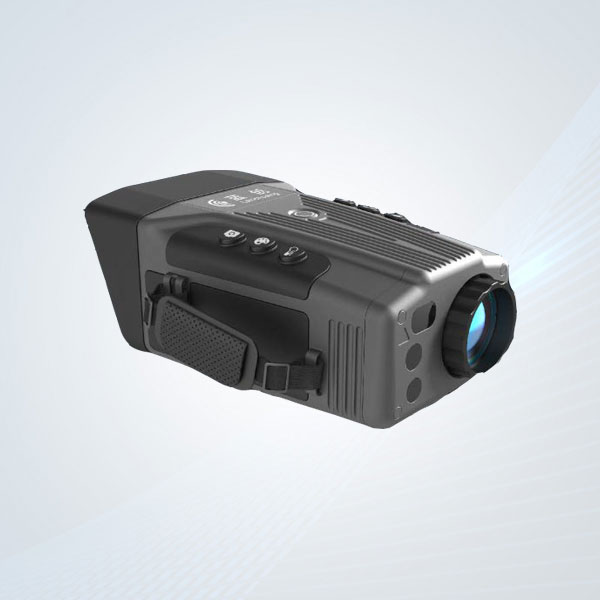
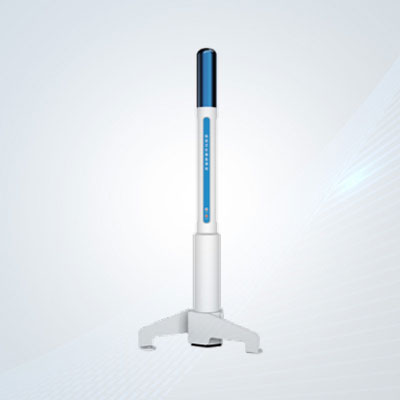
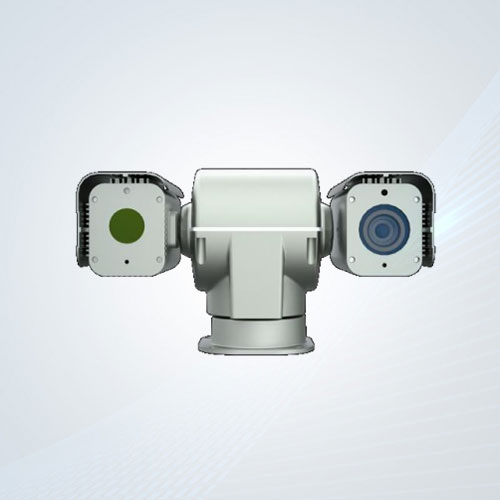
With the widespread application of nuclear technology in medical treatment, industrial production, scientific research, and national defense, and the increasing attention to environmental radiation safety, radiation detection has become an indispensable part of radiation protection, nuclear safety supervision, and public health guarantee. Aradiation detector (also known as a radiation sensor or radiation monitor) is a precision instrument designed to detect, measure, and analyze ionizing radiation (including alpha, beta, gamma, neutron radiation, etc.) by converting the energy of radiation particles into quantifiable electrical signals or visible signals. From portable handheld detectors for on-site inspection to fixed online monitoring systems for long-term surveillance, radiation detectors play a crucial role in identifying radiation sources, assessing radiation levels, and preventing radiation hazards. This article comprehensively explores radiation detectors, focusing on their working principles, main classifications, core functions, typical application scenarios, key technical indicators, and future development trends, integrating the latest industry data, technical standards, and practical application cases to provide a systematic reference for relevant practitioners, researchers, and safety supervisors.
1. Working Principles of Radiation Detectors
The core working principle of all
radiation detectors is based on the interaction between ionizing radiation and the detection medium, which converts the energy carried by radiation particles into measurable physical signals (electrical signals, light signals, etc.). The entire working process can be divided into three key stages, regardless of the type of detector, and the specific mechanism varies slightly according to the detection medium and radiation type:
1.1 Radiation Interaction with Detection Medium
When ionizing radiation particles (alpha particles, beta particles, gamma rays, neutrons, etc.) pass through the detection medium (gas, solid, or liquid), they transfer energy to the atoms or molecules of the medium, causing ionization or excitation. Ionization refers to the process in which radiation energy ejects electrons from atoms, forming positive ions and free electrons; excitation refers to the process in which atoms absorb radiation energy and transition from the ground state to an excited state. This interaction is the foundation of radiation detection, and the intensity of the interaction is positively correlated with the energy and quantity of radiation particles.
1.2 Signal Conversion
The ionization or excitation effect generated in the detection medium is converted into a measurable signal through a specific mechanism. For gas detectors, free electrons and positive ions move under the action of an electric field, forming an electrical current or voltage pulse; for solid detectors (such as semiconductor detectors), ionization generates electron-hole pairs, which move under the action of an electric field to form an electrical signal; for scintillation detectors, the excited atoms return to the ground state and emit light, which is then converted into an electrical signal by a photoelectric device (such as a photomultiplier tube). This stage realizes the conversion from radiation energy to measurable electrical signals, laying the foundation for subsequent signal processing.
1.3 Signal Processing and Analysis
The weak electrical signals generated by signal conversion are first amplified by a preamplifier to enhance signal strength, then filtered to remove electrical noise and interference. An analog-to-digital converter (ADC) converts the analog signal into a digital signal, which is then processed by a built-in microprocessor. The processor calculates key radiation parameters, such as radiation intensity (count rate), radiation dose (absorbed dose, equivalent dose), and energy spectrum, and converts the data into readable values. Advanced detectors also integrate data storage, real-time display, and wireless transmission functions, enabling users to obtain radiation information quickly and accurately. According to relevant standards, the detection efficiency of high-performance radiation detectors can exceed 92% under controlled laboratory conditions.
2. Main Classifications of Radiation Detectors
Radiation detectors are classified according to detection medium, detection purpose, and deployment method, with each type tailored to specific application scenarios and radiation types. Based on industry practices and technical characteristics, the main classifications are as follows, which can be divided into passive integrating detector systems and active detector systems according to whether power supply is required during deployment:
- Gas-Filled Radiation Detectors: Using gas as the detection medium, they are widely used in the detection of alpha, beta, and gamma radiation. Common types include ionization chambers, proportional counters, and Geiger-Müller (GM) counters. Ionization chambers are suitable for measuring high radiation doses with high accuracy and stability, often used in nuclear power plants and radiation therapy equipment; proportional counters have high energy resolution, suitable for radiation energy spectrum analysis; GM counters are simple in structure, low in cost, and high in sensitivity, widely used in portable radiation detection and routine radiation monitoring. These detectors belong to the category of active detector systems, requiring power supply and providing real-time readout.
- Semiconductor Radiation Detectors: Using semiconductor materials (such as silicon, germanium, gallium arsenide) as the detection medium, they have the advantages of high energy resolution, fast response speed, and small size. Silicon detectors are suitable for detecting alpha and beta radiation, while germanium detectors (especially high-purity germanium detectors) are ideal for gamma ray energy spectrum analysis, widely used in nuclear physics research, environmental radiation monitoring, and nuclear material detection. Semiconductor detectors account for nearly 68% of all solid-state radiation sensing deployments, with silicon-based solutions representing approximately 54% of installed units and germanium detectors contributing close to 29%. They are active detector systems, requiring power supply and supporting real-time data readout.
- Scintillation Radiation Detectors: Composed of a scintillator and a photoelectric conversion device, the scintillator emits light when irradiated by ionizing radiation, and the photoelectric device converts the light signal into an electrical signal. Common scintillators include sodium iodide (NaI), cesium iodide (CsI), and plastic scintillators. NaI scintillators are widely used in gamma ray detection due to their high light yield and low cost; plastic scintillators are suitable for beta radiation detection and fast neutron detection, often used in nuclear security and radiation emergency monitoring. This type belongs to active detector systems, supporting real-time monitoring and individual radiation interaction registration.
- Passive Radiation Detectors: Do not require power supply during deployment, do not record individual radiation interactions, and usually cannot provide real-time readout. They are mainly used as dosimeters to measure cumulative radiation dose. Common types include thermoluminescent dosimeters (TLD), optically stimulated luminescence (OSL) dosimeters, film dosimeters, and bubble dosimeters. TLD and OSL dosimeters are widely used in occupational radiation protection to measure the cumulative radiation dose of workers in nuclear, medical, and industrial fields; bubble dosimeters are specifically used for neutron radiation detection. These detectors are simple in structure, low in cost, and suitable for long-term cumulative radiation monitoring.
- Portable vs. Fixed Radiation Detectors: Portable detectors are small in size, light in weight, and battery-powered, suitable for on-site inspection, emergency response, and mobile monitoring (such as handheld GM counters, portable gamma spectrometers). Fixed detectors are permanently deployed in specific locations (nuclear power plants, radiation laboratories, border checkpoints), supporting 24/7 continuous monitoring and real-time data transmission to a centralized management system. Miniaturized portable detectors have become an emerging trend, accounting for 34% of the market development direction.
3. Core Functions of Radiation Detectors
Radiation detectors integrate detection, signal processing, data analysis, and early warning functions, with the core goal of providing accurate, real-time, and comprehensive radiation information to support radiation protection and safety supervision. Based on practical application needs, their core functions can be divided into the following five categories:
- Multi-Type Radiation Detection: The basic function of radiation detectors is to detect different types of ionizing radiation, including alpha, beta, gamma, and neutron radiation. High-performance detectors can simultaneously detect multiple types of radiation, and flexibly switch detection modes according to application scenarios. For example, environmental radiation monitors can detect gamma radiation and beta radiation in the air, while nuclear material detectors can detect alpha radiation emitted by uranium and plutonium. The detection range covers different radiation types to meet the needs of diverse scenarios.
- Radiation Intensity and Dose Measurement: Detecting and quantifying radiation intensity (count rate, unit: cpm, cps) and radiation dose (absorbed dose, equivalent dose, unit: Gy, Sv) is the core function of radiation detectors. This data is crucial for assessing radiation hazards: low-dose radiation detection is used for environmental monitoring and occupational health protection, while high-dose radiation detection is used for nuclear accident emergency response and radiation therapy equipment calibration. Regulatory compliance thresholds enforce detection accuracy levels above 90% for key applications.
- Energy Spectrum Analysis: Advanced radiation detectors (such as semiconductor detectors, scintillation spectrometers) can perform radiation energy spectrum analysis, identifying the type and energy of radiation sources by analyzing the energy distribution of radiation particles. This function is widely used in nuclear material identification, environmental radiation source tracing, and nuclear physics research, enabling users to accurately distinguish between natural radiation and artificial radiation, and identify specific radiation sources (such as cobalt-60, cesium-137). High-purity semiconductor detectors can achieve energy resolution levels as low as 0.15% at 662 keV.
- Abnormal Alarm and Early Warning: Users can set radiation dose or intensity thresholds according to relevant standards. When the detected radiation level exceeds the set threshold, the detector will automatically trigger an alarm (sound, light, vibration), and push alarm information to the user's terminal device through a wireless communication module. This function is particularly important for sudden radiation events (such as nuclear leaks, illegal radiation source disposal), enabling relevant personnel to respond quickly and take protective measures to minimize radiation hazards.
- Data Management and Transmission: Modern radiation detectors are equipped with data storage and wireless transmission functions. The detected data is temporarily stored in local memory (supporting storage of 100,000+ data points), and can be transmitted to a cloud platform or centralized management system through 4G/5G, Wi-Fi, or RS485. The platform supports data query, statistics, trend analysis, and report generation, helping users grasp radiation changes and conduct scientific decision-making. AI-assisted signal processing has become an emerging trend, accounting for 26% of the market development direction.
4. Typical Application Scenarios of Radiation Detectors
Radiation detectors are widely used in nuclear energy, medical treatment, environmental protection, industrial production, national defense, and other fields, playing a crucial role in radiation safety supervision, radiation protection, and scientific research. The following are typical application scenarios combined with industry data and practical cases:
4.1 Nuclear Energy Industry
In nuclear power plants, nuclear research reactors, and nuclear fuel processing facilities, radiation detectors are deployed in key positions (reactor core, fuel storage area, exhaust pipeline) to conduct 24/7 continuous monitoring of radiation levels. Fixed ionization chambers and semiconductor detectors are used to monitor the radiation dose of the working environment and equipment, ensuring the safety of workers and the stable operation of the nuclear facility. For example, in nuclear power plants, radiation detectors are integrated into the nuclear safety monitoring system to detect abnormal radiation leaks in real time, triggering emergency shutdown procedures if necessary. The United States, which holds 41% of the global radiation detector market share, operates more than 95 nuclear research reactors with comprehensive radiation monitoring systems.
4.2 Medical Field
In radiation therapy, nuclear medicine, and medical imaging, radiation detectors are used to measure the radiation dose of therapeutic equipment (such as linear accelerators, gamma knife) and monitor the radiation exposure of medical staff and patients. For example, in radiation therapy for cancer, scintillation detectors and semiconductor detectors are used to calibrate the radiation dose, ensuring the accuracy of the therapy and reducing the damage to normal tissues. In nuclear medicine, radiation detectors (such as gamma cameras) are used for imaging diagnosis, helping doctors detect tumors and other diseases. Medical imaging applications account for nearly 37% of domestic detector demand in the United States.
4.3 Environmental Radiation Monitoring
Environmental protection departments use radiation detectors to monitor natural radiation (such as cosmic radiation, radon gas) and artificial radiation (such as radiation from industrial waste, nuclear accidents) in the air, water, soil, and food. Fixed environmental radiation monitoring stations and portable detectors are used to build a comprehensive environmental radiation monitoring network, ensuring that environmental radiation levels meet national standards. For example, radon detectors are used to monitor radon concentration in residential buildings and underground spaces, protecting residents' health; portable gamma spectrometers are used to trace environmental radiation sources and investigate radiation pollution events. Radon detection is one of the key applications of passive detectors such as electrets.
4.4 Industrial and Agricultural Fields
In industrial production, radiation detectors are used for non-destructive testing (NDT) of materials and products (such as metal castings, pipelines), using gamma rays or X-rays to detect internal defects of materials without damaging the product. In the agricultural field, radiation detectors are used to monitor the radiation dose of agricultural products irradiated by ionizing radiation (such as food sterilization, seed breeding), ensuring the safety of agricultural products. Semiconductor detectors are widely used in industrial non-destructive testing due to their high accuracy and fast response speed. Industrial inspection adoption accounts for 6% of the market demand for radiation detectors.
4.5 National Defense and Nuclear Security
In national defense and nuclear security, radiation detectors are used to detect and identify illegal nuclear materials, prevent nuclear proliferation, and ensure national security. Border checkpoints, airports, and ports deploy fixed and portable radiation detectors to inspect luggage, cargo, and personnel, detecting hidden nuclear materials and radioactive substances. For example, handheld radiation detectors and portal radiation monitors are used to quickly screen for radioactive materials, preventing the smuggling of nuclear materials. The U.S. defense sector operates radiation detection networks spanning more than 11,000 monitored checkpoints, with homeland security deployments accounting for 21% of domestic detector demand in the country.
4.6 Scientific Research
In nuclear physics, astrophysics, and environmental science research, high-precision radiation detectors (such as high-purity germanium detectors, scintillation spectrometers) are used to study the properties of radiation, the structure of atomic nuclei, and the origin of cosmic radiation. For example, in cosmic ray research, detectors deployed in space or high-altitude areas are used to capture cosmic ray particles and analyze their energy and composition. Academic research usage accounts for 3% of the market demand for radiation detectors.
5. Key Technical Indicators and Challenges
Selecting the right radiation detector requires evaluating core technical indicators to match application scenarios, ensuring detection accuracy, reliability, and compliance with relevant standards. At the same time, radiation detectors also face some technical challenges in practical applications:
5.1 Key Technical Indicators
- Detection Efficiency: The probability of detecting radiation particles by the detector, which is related to the detection medium, radiation type, and energy. High detection efficiency is crucial for low-dose radiation detection, with semiconductor detectors achieving detection efficiencies exceeding 92% under controlled conditions.
- Energy Resolution: The ability to distinguish between radiation particles of different energies, which is important for radiation source identification. High-purity germanium detectors have excellent energy resolution, while GM counters have poor energy resolution and can only detect radiation intensity. Energy resolution levels as low as 0.15% at 662 keV are routinely achieved in high-purity semiconductor detectors.
- Detection Range: The range of radiation dose or intensity that the detector can measure, covering low-dose (environmental radiation) to high-dose (nuclear accident) scenarios. Detector thickness commonly varies from 100 µm to 25 mm, enabling sensitivity across alpha, beta, gamma, and neutron radiation spectrums.
- Response Time: The time required for the detector to generate a signal after being irradiated by radiation, which is crucial for emergency radiation detection. Semiconductor and scintillation detectors have fast response times (milliseconds), while passive detectors have slow response times and are suitable for cumulative monitoring.
- Environmental Adaptability: The ability to work stably in harsh environments (high temperature, low temperature, humidity, electromagnetic interference). Operating temperature tolerances range between −196 °C and 85 °C depending on material selection, with industrial-grade detectors often having dustproof and waterproof (IP65/IP67) designs.
5.2 Main Challenges
- Interference Resistance: External electromagnetic interference, temperature changes, and humidity can affect the detection accuracy of radiation detectors, especially in industrial and outdoor environments. High manufacturing cost (accounting for 39% of market restraints) and cryogenic cooling requirements (affecting 27% of market development) also pose challenges to detector performance.
- Sensor Drift: Long-term operation can lead to sensor drift, reducing detection accuracy. Regular calibration is required to ensure the reliability of the detector, with calibration intervals standardized at 6 to 12 months across federal facilities.
- Multi-Radiation Type Detection: Simultaneously detecting multiple types of radiation (such as alpha, beta, gamma, neutrons) and distinguishing between them requires complex detection technology and signal processing algorithms, which increases the cost and complexity of the detector. Material purity limitations (constraining 18% of market development) also affect the performance of multi-type detection.
6. Future Development Trends
Driven by the continuous advancement of nuclear technology, semiconductor technology, and IoT technology, radiation detectors are developing in the direction of miniaturization, intelligence, high accuracy, and multi-functionality, to meet the increasingly diverse needs of radiation detection and safety supervision. The main development trends are as follows:
- Miniaturization and Portability: With the development of semiconductor technology, radiation detectors are becoming smaller and lighter, while maintaining high detection accuracy. Miniaturized detectors represent 34% of the emerging trends, with portable detectors suitable for on-site inspection, emergency response, and personal radiation protection, such as wearable radiation dosimeters, which can monitor the cumulative radiation dose of workers in real time.
- Intelligent and AI Integration: Integrating AI and machine learning algorithms into radiation detectors to realize intelligent radiation source identification, automatic data analysis, and abnormal trend prediction. AI-assisted signal processing contributes 26% of the emerging trends, enabling the detector to automatically distinguish between natural and artificial radiation sources, and predict radiation changes, providing more accurate and efficient decision support for radiation safety supervision.
- Multi-Parameter Integration: Integrating radiation detection with other environmental parameters (such as temperature, humidity, air quality) to provide comprehensive environmental monitoring data. This integration reduces the cost of monitoring equipment and improves the efficiency of environmental supervision. Multi-spectral detection adoption reaches 13% of the emerging trends, supporting multi-parameter synchronous monitoring.
- Wireless Networking and Remote Monitoring: Using IoT technology to realize wireless networking of multiple radiation detectors, forming a large-scale radiation monitoring network. Users can remotely view real-time data, adjust detection parameters, and receive alarm information through a cloud platform, realizing unattended operation and reducing manual maintenance costs. Wireless integration remains at 6% of the emerging trends, with broad development space.
- High Accuracy and High Sensitivity: Improving the detection efficiency and energy resolution of radiation detectors through the development of new detection materials (such as new semiconductor materials, nanomaterials) and signal processing technology, enabling the detection of ultra-low-dose radiation and more accurate identification of radiation sources. This addresses the challenges of material purity limitations and calibration complexity.
7. Conclusion
As a core tool for radiation detection and safety supervision, radiation detectors play an irreplaceable role in nuclear energy, medical treatment, environmental protection, national defense, and scientific research. Their working principle is based on the interaction between radiation and detection media, converting radiation energy into measurable signals to provide accurate and real-time radiation information. With diverse classifications and rich core functions, radiation detectors meet the detection needs of different scenarios, from routine environmental monitoring to nuclear accident emergency response.
Despite facing challenges such as interference resistance and sensor drift, with the continuous advancement of technology, radiation detectors will develop in the direction of miniaturization, intelligence, and high accuracy. The global semiconductor radiation detector market is valued at USD 0.44 billion in 2026 and is expected to reach USD 0.69 billion by 2035, expanding at a CAGR of 5.2% from 2026 to 2035, reflecting the broad market prospects of radiation detectors. In the future, radiation detectors will further improve the level of radiation safety supervision, help relevant departments realize precise radiation control and scientific decision-making, and play a more important role in protecting human health, national security, and the ecological environment.