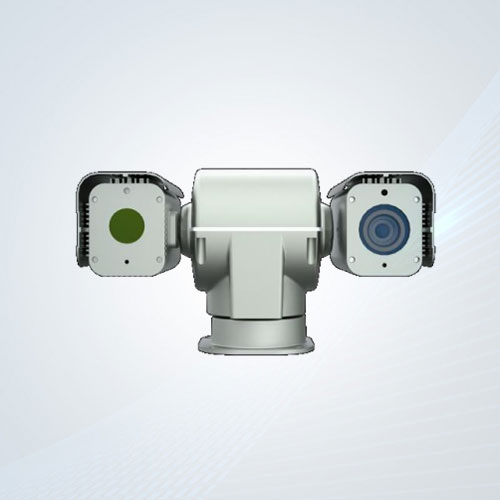
Environmental monitoring is a systematic, scientific process that involves collecting, analyzing, and interpreting data on the physical, chemical, and biological characteristics of the environment. It serves as the foundation for environmental protection, pollution control, and sustainable development, enabling governments, organizations, and researchers to track environmental changes, identify pollution sources, assess ecological risks, and evaluate the effectiveness of environmental management measures. In an era marked by increasing industrialization, urbanization, and climate change, environmental monitoring has become more critical than ever—providing actionable insights to mitigate pollution, protect ecosystems, and safeguard human health. This article provides a comprehensive overview of environmental monitoring, covering its core principles, key monitoring types, essential technologies, typical application scenarios, current challenges, and future development trends, integrating international standards, industry best practices, and the latest technological advancements.
1. Core Principles of Environmental Monitoring
Effective
environmental monitoring is guided by four fundamental principles that ensure the accuracy, reliability, and relevance of collected data, aligning with global environmental standards such as ISO 14001 (Environmental Management Systems) and the United Nations Sustainable Development Goals (SDGs). These principles form the backbone of all monitoring activities, regardless of the environment or pollutants being measured:
1.1 Scientificity
Monitoring methods, technologies, and protocols must be based on sound scientific principles to ensure data validity. This includes using standardized sampling techniques, calibrated instruments, and rigorous analytical procedures. For example, water quality monitoring follows ISO 5667 standards for sampling and sample preservation, while air quality monitoring adheres to ISO 16200 for analytical methods. Scientificity ensures that monitoring data accurately reflects the actual state of the environment.
1.2 Representativeness
Monitoring data must be representative of the area, time, and pollutant being studied. This requires careful selection of monitoring points—considering factors such as pollution sources, environmental sensitivity, and spatial distribution. For instance, air quality monitoring stations are strategically placed near industrial zones, urban centers, and residential areas to capture varying pollution levels. Representative data ensures that conclusions drawn from monitoring are applicable to the broader environment.
1.3 Continuity
Environmental conditions are dynamic, so monitoring must be continuous or conducted at regular intervals to track long-term trends and detect sudden changes. Short-term, sporadic monitoring may miss critical pollution events or seasonal variations. For example, long-term climate monitoring stations collect data over decades to identify global warming trends, while real-time water quality monitors detect sudden pollutant spikes from industrial spills.
1.4 Objectivity
Monitoring processes must be free from bias, with clear documentation of sampling, analysis, and data processing procedures. This ensures that data can be verified, replicated, and used for regulatory compliance and scientific research. Objectivity is particularly important for environmental law enforcement, where monitoring data serves as evidence of pollution violations.
2. Key Types of Environmental Monitoring
Environmental monitoring encompasses a wide range of disciplines, each focusing on a specific component of the environment. The main types of environmental monitoring are categorized based on the environmental medium being measured, with each type addressing unique pollutants and challenges:
- Air Quality Monitoring: Focuses on measuring pollutants in the atmosphere, including gaseous pollutants (e.g., carbon monoxide, nitrogen oxides, sulfur dioxide, ozone) and particulate matter (PM2.5, PM10). Monitoring methods include ground-based stations, mobile monitoring vehicles, and satellite remote sensing. Air quality monitoring is critical for protecting human respiratory health and mitigating climate change, adhering to standards such as the WHO Air Quality Guidelines and the U.S. EPA National Ambient Air Quality Standards (NAAQS).
- Water Quality Monitoring: Involves assessing the physical (turbidity, temperature, pH), chemical (heavy metals, nutrients, organic pollutants), and biological (bacteria, algae) characteristics of surface water (rivers, lakes, oceans) and groundwater. Monitoring techniques include in-situ sensors, laboratory analysis, and remote sensing. It supports drinking water safety, aquatic ecosystem protection, and wastewater discharge compliance, following standards like the EU Water Framework Directive and China’s GB 3838-2002 (Environmental Quality Standards for Surface Water).
- Soil Monitoring: Measures soil properties such as pH, organic matter content, and concentrations of heavy metals (lead, cadmium, mercury), pesticides, and industrial contaminants. Soil monitoring is essential for agricultural productivity, preventing soil degradation, and ensuring safe land use. It follows standards such as ISO 10381 for soil sampling and ISO 11268 for heavy metal analysis.
- Noise Monitoring: Quantifies sound levels in urban, industrial, and natural environments to assess noise pollution and its impact on human health and wildlife. Monitoring tools include noise monitors (sound level meters) and online monitoring stations, following IEC 61672 standards. It is used for regulatory compliance, urban planning, and occupational safety.
- Ecological Monitoring: Tracks the health and diversity of ecosystems, including plant and animal populations, habitat quality, and ecological processes (e.g., photosynthesis, nutrient cycling). Methods include field surveys, remote sensing, and bioindication (using organisms to assess environmental quality). Ecological monitoring helps identify ecosystem degradation and support conservation efforts.
- Climate Monitoring: Measures long-term changes in climate parameters such as temperature, precipitation, humidity, and greenhouse gas concentrations (CO2, methane). It relies on global monitoring networks (e.g., NASA’s Earth Observing System, the World Meteorological Organization’s Global Climate Observing System) to track climate change and inform climate action.
3. Essential Technologies for Environmental Monitoring
Technological advancements have transformed environmental monitoring from manual, labor-intensive processes to intelligent, real-time systems. The following technologies are central to modern environmental monitoring, enabling more efficient, accurate, and comprehensive data collection:
- Sensor Technology: Miniaturized, low-power sensors are used to measure a wide range of environmental parameters in real time. Examples include gas sensors for air quality, turbidity sensors for water quality, and soil moisture sensors. These sensors can be deployed in large networks (IoT sensor networks) to provide spatial and temporal data at high resolution.
- Remote Sensing: Satellite and aerial (UAV) remote sensing technologies capture large-scale environmental data, including land use changes, water quality, and air pollution. Satellites such as Landsat and Sentinel provide global coverage, while UAVs are used for localized, high-resolution monitoring (e.g., detecting oil spills, assessing forest health).
- Internet of Things (IoT) and Big Data: IoT networks connect sensors, monitoring stations, and data platforms, enabling real-time data transmission and centralized management. Big data analytics tools process large volumes of monitoring data to identify trends, predict pollution events, and support data-driven decision-making.
- Laboratory Analytical Techniques: Advanced laboratory methods such as chromatography (GC, HPLC), mass spectrometry (GC-MS, LC-MS), and atomic absorption spectroscopy (AAS) are used for precise analysis of pollutants at trace levels. These techniques are critical for verifying field data and detecting low-concentration contaminants.
- Artificial Intelligence (AI) and Machine Learning (ML): AI/ML algorithms are used to analyze monitoring data, identify pollution sources, predict environmental changes, and optimize monitoring networks. For example, AI can automatically detect abnormal pollution spikes in real-time data, enabling rapid response to pollution events.
4. Typical Application Scenarios
Environmental monitoring is applied across public, private, and scientific sectors, supporting a wide range of goals from regulatory compliance to conservation. The following are key application scenarios, integrated with industry case studies:
4.1 Environmental Regulatory Compliance
Governments use environmental monitoring to enforce pollution control regulations and ensure enterprises comply with discharge limits. For example, industrial facilities are required to monitor wastewater and air emissions, submitting monitoring data to environmental protection agencies. In the European Union, the Industrial Emissions Directive (IED) mandates continuous monitoring of industrial pollutants, with penalties for non-compliance.
4.2 Drinking Water Safety
Water utilities use water quality monitoring to ensure drinking water meets safety standards. From raw water intake to treatment and distribution, monitors track parameters such as turbidity, bacteria, and heavy metals. For instance, in the United States, the Safe Drinking Water Act (SDWA) requires regular monitoring of public water systems to protect public health.
4.3 Urban Environmental Management
Municipal authorities use environmental monitoring to manage urban pollution, improve quality of life, and plan sustainable cities. This includes air quality monitoring in urban centers, noise monitoring in residential areas, and stormwater monitoring to prevent flooding and water pollution. Cities like Beijing and London have deployed large-scale air quality monitoring networks to inform public health advisories and pollution control measures.
4.4 Industrial Pollution Control
Industries use environmental monitoring to reduce their environmental footprint, optimize production processes, and comply with regulations. For example, manufacturing plants monitor air and water emissions to identify inefficiencies and implement pollution control technologies. Oil and gas companies use remote sensing and in-situ sensors to detect leaks and minimize environmental damage.
4.5 Ecological Conservation
Conservation organizations and researchers use ecological monitoring to protect endangered species, restore degraded ecosystems, and assess the impact of human activities. For example, coral reef monitoring programs use underwater sensors and diver surveys to track coral health and identify threats such as ocean acidification and pollution.
4.6 Climate Change Mitigation and Adaptation
Global climate monitoring networks collect data on greenhouse gas concentrations, temperature, and precipitation to track climate change trends. This data informs international climate agreements (e.g., the Paris Agreement) and helps countries develop adaptation strategies, such as building flood defenses in areas at risk of rising sea levels.
5. Current Challenges in Environmental Monitoring
Despite technological advancements, environmental monitoring faces several challenges that limit its effectiveness, particularly in developing regions and complex environments:
- High Costs: Advanced monitoring technologies (e.g., satellite remote sensing, high-precision sensors) and laboratory analysis are expensive, making them inaccessible to many developing countries and small enterprises. This leads to uneven monitoring coverage, with some regions lacking basic monitoring capabilities.
- Data Integration: Monitoring data is often collected by different organizations using different standards and formats, making it difficult to integrate and analyze at a regional or global scale. This fragmentation hinders comprehensive environmental assessment and decision-making.
- Complex Pollution Sources: Modern pollution is often complex, with multiple pollutants from diverse sources (e.g., industrial emissions, agricultural runoff, urban waste). Identifying and quantifying these sources requires advanced monitoring and analytical techniques, which are not always available.
- Maintenance and Technical Expertise: Monitoring equipment requires regular maintenance and calibration to ensure accuracy, and skilled technicians are needed to operate and interpret data. Shortages of technical expertise and funding for maintenance lead to unreliable data in many regions.
- Emerging Pollutants: New pollutants, such as microplastics, pharmaceuticals, and PFAS (per- and polyfluoroalkyl substances), are increasingly recognized as environmental threats, but monitoring methods for these pollutants are still evolving and not widely adopted.
6. Future Development Trends
Driven by technological innovation and growing global demand for environmental protection, environmental monitoring is evolving toward more intelligent, integrated, and accessible systems. The key trends shaping the future of environmental monitoring are:
- Intelligent and Autonomous Monitoring: AI and robotics will enable autonomous monitoring systems, such as self-driving monitoring vehicles and underwater drones, to collect data in remote or hazardous environments. These systems will reduce human intervention and improve monitoring efficiency.
- Real-Time and Predictive Monitoring: IoT sensor networks and AI algorithms will enable real-time monitoring and predictive analytics, allowing for early warning of pollution events and climate changes. This will enable proactive environmental management rather than reactive response.
- Integration of Multi-Media Monitoring: Future monitoring systems will integrate data from air, water, soil, and ecological monitoring to provide a holistic view of the environment. This integration will improve the ability to identify cross-media pollution pathways and assess cumulative environmental impacts.
- Low-Cost and Accessible Technologies: Advances in sensor technology and open-source data platforms will make environmental monitoring more affordable and accessible to developing countries and local communities. This will expand monitoring coverage and empower grassroots environmental protection efforts.
- Global Collaboration: International cooperation will strengthen global monitoring networks, enabling shared data and collective action on global environmental challenges such as climate change and cross-border pollution. Initiatives like the Global Environment Monitoring System (GEMS) will play a key role in this collaboration.
7. Conclusion
Environmental monitoring is a cornerstone of environmental protection and sustainable development, providing the data needed to understand, protect, and restore the environment. From air and water quality to ecological health and climate change, it enables governments, organizations, and individuals to make informed decisions and take effective action. While challenges such as high costs, data fragmentation, and emerging pollutants remain, technological advancements are driving significant improvements in monitoring capabilities.
As the world faces growing environmental challenges, the role of environmental monitoring will only become more critical. By embracing intelligent technologies, fostering global collaboration, and making monitoring more accessible, we can build a more sustainable future—where environmental degradation is mitigated, ecosystems are protected, and human health is safeguarded. Environmental monitoring is not just a tool for measuring the environment; it is a catalyst for positive change, guiding us toward a more balanced and resilient relationship with the planet.