Total Phosphorus Water Quality Analyzer: A Complete Guide For Discharge Compliance
Release time:2026-09-07
Visits:0
1. Introduction to Total Phosphorus Monitoring
1.1 Why Total Phosphorus Matters
Total phosphorus is one of the most tightly regulated parameters in water quality management. As the primary nutrient driving eutrophication, excessive phosphorus causes algae blooms, oxygen depletion and ecological damage in rivers and lakes. For this reason, regulatory authorities require continuous monitoring of total phosphorus at pollution source discharge points.
1.2 Who Needs This Analyzer
The
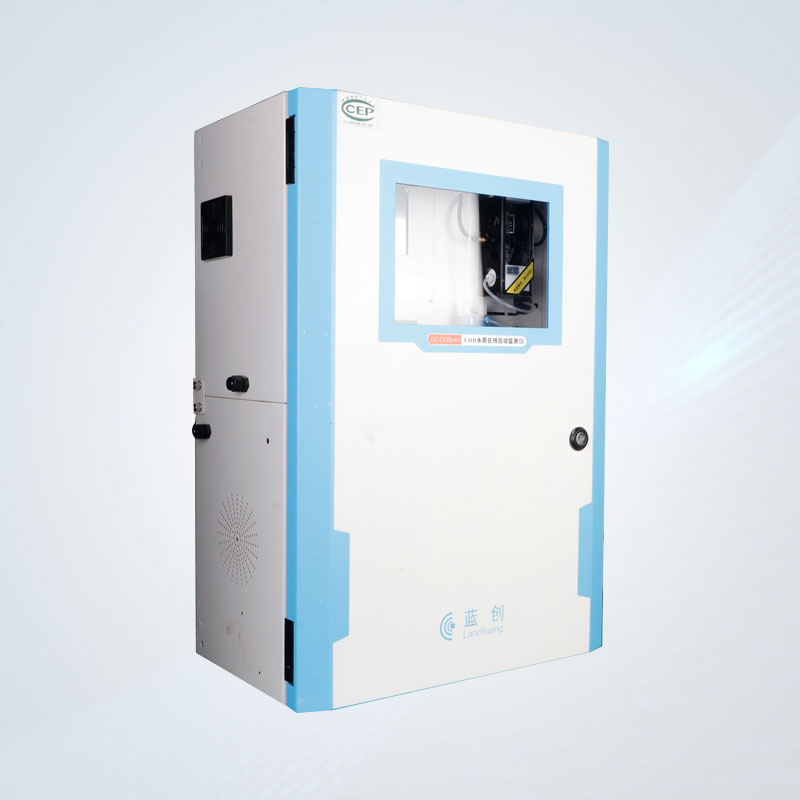
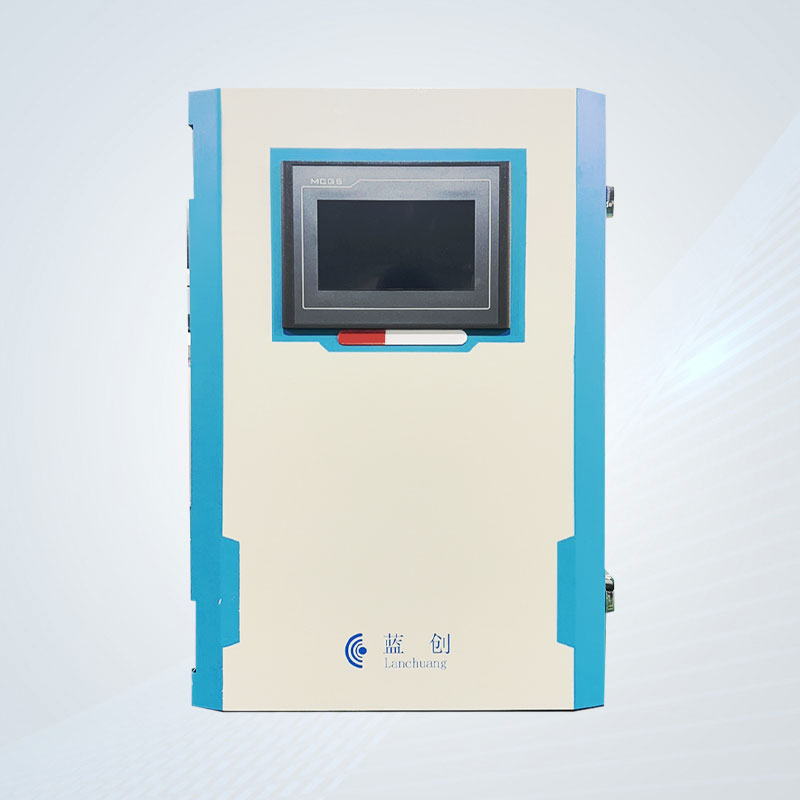
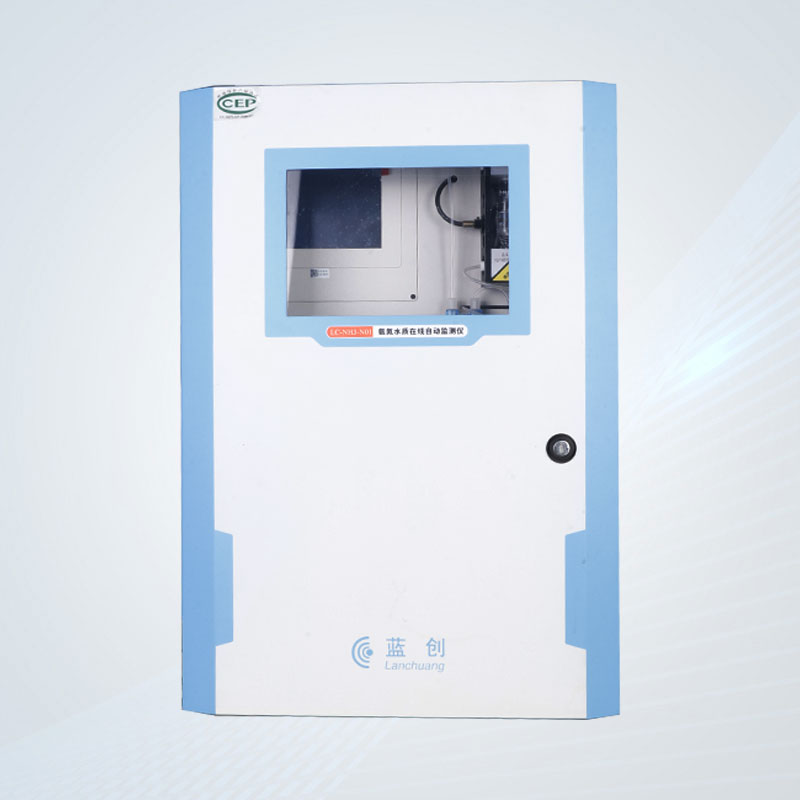
total phosphorus water quality analyzer is specially designed for monitoring water quality discharge from pollution sources, and is particularly suitable for online monitoring at the outlets of factories and mining enterprises and urban sewage treatment plants. **Jiangsu Lanchuang Intelligent Technology Co., Ltd.** manufactures this analyzer for exactly these continuous, unattended compliance applications.
2. Working Principle of the Total Phosphorus Analyzer
The analyzer converts all forms of phosphorus in the sample into a measurable blue compound, then quantifies it by photometry. The measurement chain has three stages.
2.1 Sample Digestion
Polyphosphate and other phosphorus compounds in water are hydrolyzed under acidic conditions at high temperature and high pressure to form phosphate. For phosphorus compounds that are difficult to oxidize, a strong oxidant — sodium persulfate — completes the conversion to phosphate.
2.2 Colorimetric Reaction
In the acidic medium, orthophosphate reacts with ammonium molybdate and potassium antimony tartrate to generate a phosphomolybdenum heteropolyacid compound. This compound is then reduced by ascorbic acid into blue phosphomolybdate.
2.3 Photometric Measurement
The shade of blue is proportional to the phosphorus content in the sample. The analyzer measures the absorbance value of the reaction product by photometry, and from this absorbance calculates the total phosphorus concentration.
3. Key Features and Advantages
3.1 High Accuracy with Auto Range Switching
Total phosphorus measurement repeatability reaches within 3% and accuracy within 5%. The instrument supports automatic switching across multiple measurement ranges, so both clean discharge and shock loads are measured with appropriate resolution.
3.2 Long-Term Data Storage and Reporting
The analyzer stores historical data for no less than five years, has printing functionality and can connect to a printer. Users can install device control software on their computers to build a feedback control platform.
3.3 Low-Maintenance Design
Chemical reagent maintenance is simplified, requiring reagent replacement only once a month. Reagents and standard solutions last under three months, and routine user maintenance is required only every six months or so, at approximately 30 minutes per visit.
3.4 Intelligent Self-Diagnostics
An automatic leak alarm detects reagent leakage and prompts maintenance. The instrument adopts optical measurement signal automatic recognition, performs self-diagnosis of instrument status, and supports one-click USB software upgrades on the ARM system.
4. Product Specifications
|
Parameter |
Specification |
|
Display |
7-inch color touch screen |
|
Measurement range |
0.01–100 mg/L (expandable) |
|
Accuracy |
>1 mg/L: <5% F.S.; <1 mg/L: <10% F.S. |
|
Monitoring modes |
Continuous, timed, manual |
|
Digestion |
15 min (settable), 125°C |
|
Data communication |
RS485 / RS232 |
|
Analog output |
1×0/4–20 mA |
|
Relay control |
2-channel 24V 1A |
|
Operating temperature |
+5~+50°C |
|
Power supply |
220±10% VAC, 50–60 Hz, ~80 W |
5. Applications of Total Phosphorus Analyzers
- Municipal sewage treatment plants — outlet monitoring for permit compliance.
- Factory and mining outlets — pollution source discharge monitoring.
- Industrial wastewater — process and discharge control.
- Surface water stations — river and lake water quality monitoring.
- Water environment monitoring networks — supporting data for regulatory platforms.
6. How to Choose a Total Phosphorus Analyzer
6.1 Match the Measurement Range to Your Water
Select an analyzer whose range covers both normal discharge and peak-load conditions; automatic multi-range switching is a major advantage for variable loads.
6.2 Verify Accuracy and Repeatability
For compliance work, confirm repeatability within 3% and accuracy within 5%, and check the digestion method ensures all phosphorus forms are converted.
6.3 Consider Maintenance and Reagent Cost
Reagent consumption, replacement interval and routine maintenance frequency determine long-term operating cost. Choose an instrument with monthly reagent replacement and six-month maintenance cycles.
6.4 Check Data and Compliance Features
Long-term data storage (5+ years), printing, leak alarms and remote connectivity are essential for defensible reporting.
7. Conclusion: Why Choose Lanchuang Intelligent
Jiangsu Lanchuang Intelligent Technology Co., Ltd. is a national high-tech enterprise founded in 2009, focused on ecological environment monitoring with more than 40 self-developed sensors and instruments across water environment, atmospheric environment and safety services.
If total phosphorus is on your discharge permit, contact Lanchuang to configure the analyzer around your discharge characteristics and compliance limits.