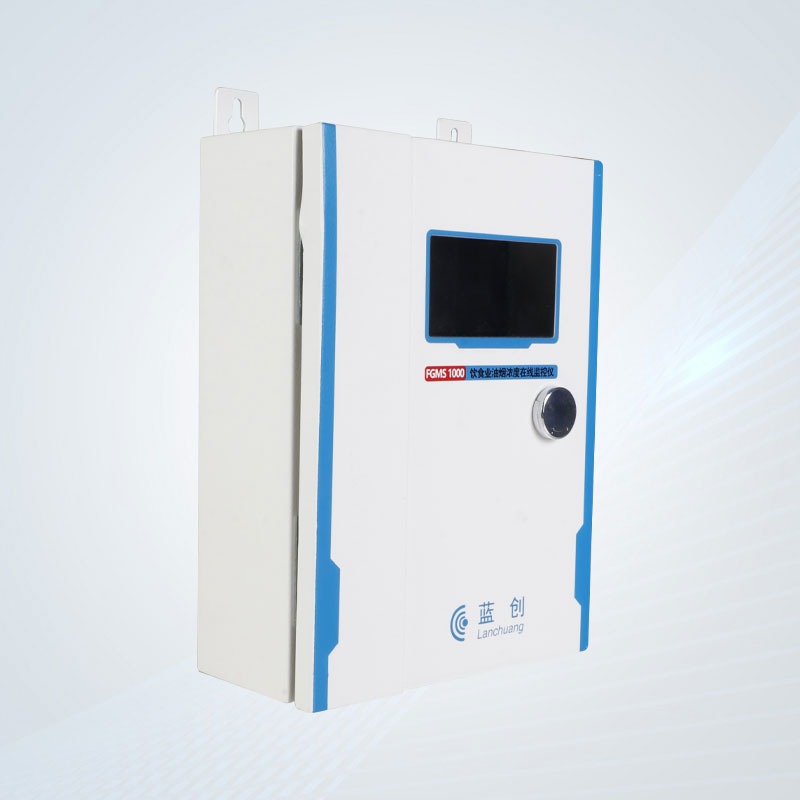
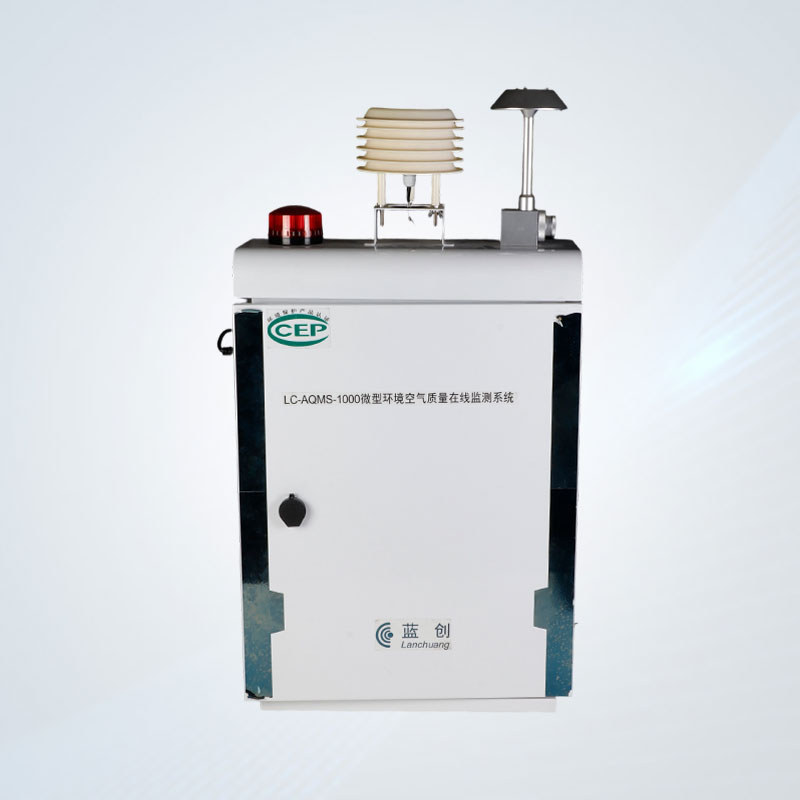
As global concerns over air pollution and its cascading impacts on public health intensify, air quality detectors have evolved from niche tools to indispensable assets in residential, commercial, and industrial settings. Yet, their perceived utility hinges on a critical question: Do these devices deliver on their promise of accurate, actionable air quality data?
This article delves into the technical mechanisms, performance parameters, and real-world applicability of air quality detectors. By examining their design principles, sensor technologies, accuracy drivers, and limitations, we provide a data-backed assessment of their effectiveness—equipping stakeholders (from homeowners to industrial facility managers) with the insights needed to evaluate their practical value.
What Are Air Quality Detectors?
Air quality detectors (AQDs) are precision analytical devices engineered to detect, quantify, and report the concentration of airborne contaminants in a targeted environment. Unlike basic air quality monitors, detectors prioritize real-time pollutant identification and threshold-based alerting, making them critical for health protection, regulatory compliance, and environmental risk management.
These devices are calibrated to measure a spectrum of pollutants, including hazardous gases (e.g., carbon monoxide, nitrogen dioxide), particulate matter (PM₂.₅, PM₁₀), volatile organic compounds (VOCs), and toxic vapors—depending on their intended application (indoor, industrial, or ambient monitoring).
Core technical features of modern AQDs include:
- Selective sensing modules tailored to specific pollutant classes
- High-resolution digital displays or IoT-enabled data transmission
- Calibration traceability to international standards (e.g., NIST, ISO 16000)
- Threshold-based alert systems (audible, visual, or remote notifications)
- Data logging capabilities for trend analysis and compliance reporting
How Do Air Quality Detectors Work?
AQDs operate via specialized sensor technologies, each optimized for detecting specific pollutant types. The core workflow involves three stages: pollutant adsorption, signal conversion, and data processing.
Key Sensing Technologies
1. Electrochemical Sensors
Dominant for toxic gas detection (CO, NO₂, O₃), these sensors use a chemical reaction between the target gas and an electrolyte to generate an electrical current proportional to pollutant concentration. They offer high selectivity and low detection limits (typically ppb-level), making them ideal for safety-critical applications (e.g., industrial confined spaces, residential gas leak detection).
2. Laser Scattering Sensors
Used for particulate matter (PM) measurement, these devices emit a laser beam that scatters when interacting with airborne particles. The scattered light is detected by a photodiode, and algorithms calculate particle size (PM₂.₅, PM₁₀) and concentration (μg/m³) based on scattering intensity. Advanced models incorporate dual-wavelength lasers to improve accuracy across particle size ranges.
3. Infrared (IR) Sensors
Employed for non-toxic gases (CO₂, HCHO), IR sensors measure the absorption of infrared light by gas molecules. Each gas has a unique absorption spectrum, enabling selective detection. These sensors are valued for long-term stability and resistance to cross-interference, making them suitable for indoor air quality (IAQ) monitoring in commercial buildings and laboratories.
4. Photoionization Detectors (PIDs)
Used for VOC detection, PIDs ionize VOC molecules with ultraviolet (UV) light, generating a current that correlates to VOC concentration. They offer broad-spectrum detection (for most VOCs) and rapid response times (<2 seconds), though they require periodic lamp replacement and calibration to maintain accuracy.
Post-sensing, the device’s microcontroller processes raw signals, applies calibration corrections, and converts data into standardized units (e.g., ppm, μg/m³). Smart AQDs transmit this data to cloud platforms or building management systems (BMS) via Wi-Fi, LoRaWAN, or Modbus, enabling remote monitoring and automated corrective actions (e.g., activating HVAC systems).
Critical Operational Requirement: Calibration
Sensor accuracy degrades over time due to environmental exposure (humidity, temperature) and pollutant adsorption. Regular calibration—traceable to NIST-certified standards—is mandatory to maintain performance. Most industrial-grade AQDs require annual calibration, while residential models may need bi-annual checks. Uncalibrated detectors can produce errors of ±20% or more, rendering their data unreliable.
Types of Air Quality Detectors
AQDs are classified by form factor, application, and detection capability, each tailored to specific use cases:
| Type | Technical Specifications | Primary Applications |
|------|--------------------------|----------------------|
| Personal Air Quality Detectors (PAQDs) | Compact (<100g), battery-powered, detects 2–3 key pollutants (e.g., PM₂.₅, CO, VOCs), Bluetooth connectivity | Individual use (commuters, outdoor workers), residential spot-checks |
| Fixed Indoor Air Quality Detectors (FIAQDs) | Hardwired, multi-sensor arrays, integration with BMS, compliance with IAQ standards (ASHRAE 62.1) | Commercial buildings, hospitals, laboratories, industrial workspaces |
| Ambient Air Quality Detectors (AAQDs) | Weatherproof (IP65+), long-range sensing, compliance with EPA/EU air quality directives | Municipal monitoring networks, urban planning, outdoor pollution hotspots |
| Industrial Toxic Gas Detectors (ITGDs) | Explosion-proof (ATEX/IECEx certified), high-temperature tolerance (-40°C to 85°C), ppb-level detection | Refineries, chemical plants, manufacturing facilities, confined space entry |
What Pollutants Do Air Quality Detectors Measure?
AQDs are optimized to target pollutants with well-documented health and environmental impacts, aligned with global regulatory frameworks (EPA, WHO, EU Air Quality Directive):
1. Particulate Matter (PM)
- PM₂.₅ (≤2.5 μm): Penetrates deep into the respiratory system, linked to asthma, COPD, and cardiovascular disease. WHO guideline: ≤5 μg/m³ (annual), ≤15 μg/m³ (24-hour).
- PM₁₀ (≤10 μm): Irritates the upper respiratory tract, associated with allergic reactions and reduced lung function. WHO guideline: ≤15 μg/m³ (annual), ≤45 μg/m³ (24-hour).
2. Toxic Gases
- Carbon Monoxide (CO): Odorless, colorless gas; binds to hemoglobin, causing hypoxia. OSHA PEL: 50 ppm (8-hour TWA).
- Nitrogen Dioxide (NO₂): Emitted from combustion (vehicles, industrial processes); irritates airways and exacerbates asthma. WHO guideline: ≤40 μg/m³ (annual), ≤200 μg/m³ (1-hour).
- Ozone (O₃): Formed by photochemical reactions; damages lung tissue and reduces respiratory capacity. EPA standard: ≤70 ppb (8-hour average).
3. Volatile Organic Compounds (VOCs)
- Includes formaldehyde (HCHO), benzene, and toluene; emitted from paints, adhesives, and furnishings. WHO guideline for HCHO: ≤81 μg/m³ (8-hour average).
4. Other Pollutants
- Carbon Dioxide (CO₂): Indicator of ventilation efficiency; high levels (>1,000 ppm) reduce cognitive function. ASHRAE guideline: ≤800 ppm (occupied spaces).
- Hydrogen Sulfide (H₂S): Toxic gas from industrial processes; causes respiratory distress. OSHA PEL: 10 ppm (8-hour TWA).
Accuracy and Effectiveness of Air Quality Detectors
The effectiveness of AQDs is determined by three core metrics: accuracy, selectivity, and reliability—all of which depend on sensor quality, calibration, and environmental conditions.
Key Performance Drivers
1. Sensor Quality
Industrial-grade sensors (e.g., from Honeywell, Alphasense) offer accuracy of ±2–5% full scale (FS) for gases and ±10% FS for PM, while consumer-grade sensors may have errors of ±15–25%. Selectivity is critical: high-quality sensors minimize cross-interference (e.g., a CO sensor not triggered by methane).
2. Calibration
Detectors calibrated to NIST-traceable standards maintain accuracy over their operational lifespan. Uncalibrated devices drift significantly—for example, a CO sensor may overestimate concentration by 30% after 12 months of use.
3. Placement and Environmental Factors
- Location: Detectors should be placed away from direct sources (e.g., air purifiers, vents) and at breathing height (1.5–2 meters) for indoor use. Outdoor detectors require elevation above ground level (≥2 meters) to avoid ground-level interference.
- Environmental Conditions: Humidity (>85% RH) can degrade electrochemical sensors, while extreme temperatures (-20°C to 60°C) may affect laser scattering performance. Industrial AQDs are engineered to withstand these conditions (IP67 rating, temperature-compensated sensors).
4. Detection Limits
Effective AQDs must meet regulatory detection thresholds: e.g., PM₂.₅ detectors should measure down to 0.1 μg/m³, while CO detectors need a lower limit of 1 ppm to alert users to dangerous levels.
Real-World Effectiveness
- Industrial Settings: Certified ITGDs are proven to reduce workplace accidents by 40–60% (per OSHA data) by alerting workers to toxic gas leaks before exposure reaches hazardous levels.
- Residential/Commercial: FIAQDs improve IAQ compliance by 75% in office buildings, reducing absenteeism linked to poor air quality (Harvard T.H. Chan School of Public Health study).
- Ambient Monitoring: AAQDs provide data that informs policy decisions—for example, EU cities using AAQD networks reduced NO₂ levels by 22% between 2010 and 2020.
Even entry-level consumer detectors, while less precise, offer early warning value—alerting users to abnormal pollutant spikes (e.g., a CO leak from a faulty furnace) that would otherwise go undetected.
Benefits of Using Air Quality Detectors
AQDs deliver tangible value across residential, commercial, and industrial contexts, driven by their ability to translate air quality data into actionable outcomes:
1. Health Risk Mitigation
By providing real-time alerts for toxic pollutants, AQDs enable timely interventions (e.g., evacuating a confined space, improving ventilation) that reduce the risk of acute and chronic health conditions. For vulnerable populations (children, the elderly, individuals with respiratory diseases), this proactive monitoring is life-saving.
2. Regulatory Compliance
Industrial facilities and commercial buildings are required to meet strict air quality standards (e.g., OSHA PELs, EU IAQ Directive). AQDs automate data collection and reporting, ensuring compliance and avoiding fines (which can exceed $100,000 for non-compliance in the U.S.).
3. Operational Efficiency
In commercial and industrial settings, AQDs optimize HVAC and ventilation systems: for example, triggering increased airflow when CO₂ levels rise above 800 ppm reduces energy waste while maintaining IAQ. This can lower energy costs by 10–15% (ASHRAE data).
4. Environmental Accountability
AQDs enable organizations to track their emissions footprint, identify pollution sources (e.g., a leaky pipe, inefficient combustion), and implement targeted reduction strategies—supporting sustainability goals and corporate social responsibility (CSR) initiatives.
Limitations and Considerations
While AQDs are highly effective, they are not without limitations—stakeholders must account for these to maximize utility:
1. Sensor Limitations
- Cross-interference: Consumer-grade sensors may misclassify pollutants (e.g., a VOC sensor triggered by alcohol vapors).
- Detection scope: Most AQDs measure 3–5 pollutants; no single device covers all possible contaminants (e.g., heavy metals, pesticides).
2. Maintenance Requirements
- Calibration: Industrial AQDs require professional calibration (cost: $100–$300 per device annually), while consumer models may need user-initiated calibration with reference gases.
- Sensor Replacement: Electrochemical sensors have a lifespan of 2–5 years; laser sensors may require lens cleaning to prevent dust buildup.
3. Cost Considerations
- Industrial-grade AQDs: $500–$5,000 per unit (excluding installation and calibration).
- Consumer-grade AQDs: $50–$300 (but with lower accuracy and shorter lifespans).
4. Data Interpretation
Raw data requires context: for example, a PM₂.₅ reading of 30 μg/m³ is above WHO guidelines but may be temporary (e.g., from wildfire smoke). Users need to understand threshold values and trend analysis to avoid overreacting to isolated spikes.
How to Choose the Right Air Quality Detector
Selecting an effective AQD requires aligning technical specifications with use case requirements. Key decision criteria include:
1. Pollutant Coverage
Prioritize detectors that target pollutants relevant to your environment: e.g., PM₂.₅ and VOCs for residential use, CO and H₂S for industrial confined spaces, NO₂ and O₃ for ambient monitoring.
2. Accuracy and Certification
Choose devices certified by recognized bodies (e.g., EPA, ISO, ATEX) with published accuracy data (±5% FS or better for critical pollutants). Industrial users should require NIST-traceable calibration.
3. Environmental Suitability
- Indoor use: Look for low-noise sensors and compatibility with BMS.
- Outdoor/industrial use: Ensure IP65+ weatherproofing, temperature compensation (-40°C to 85°C), and explosion-proof certification (if applicable).
4. Connectivity and Data Management
For commercial/industrial use, select AQDs with IoT connectivity (LoRaWAN, Modbus) and cloud-based data platforms that support compliance reporting and trend analysis.
5. Lifecycle Costs
Evaluate total cost of ownership (TCO), including sensor replacement, calibration, and maintenance—industrial-grade devices often have lower TCO over 5–10 years despite higher upfront costs.