Against the backdrop of growing global concerns over environmental pollution and its cascading impacts on public health, air quality sensors have emerged as a pivotal topic in both residential and commercial contexts. Yet, the question remains: are these devices a worthwhile investment? This article delves into the core functionalities, classification, and tangible benefits of air quality sensors, while also evaluating key considerations to help readers determine if investing in one for home or office use is justified.
Air quality sensors are precision-engineered devices designed to detect, quantify, and monitor the concentration of airborne pollutants. Deployable in both indoor and outdoor environments, they provide data on a range of contaminants, including carbon dioxide (CO₂), volatile organic compounds (VOCs), particulate matter (PM₂.₅), nitrogen dioxide (NO₂), ozone (O₃), and other harmful airborne substances that pose risks to human health and environmental sustainability.
Classification of Air Quality Sensors
-
Indoor Air Quality (IAQ) Meters: Specifically calibrated for enclosed spaces such as residences, offices, and commercial buildings, these devices prioritize the detection of pollutants prevalent in indoor environments—including VOCs (emitted from furniture, paints, and cleaning products), CO₂ (a byproduct of human respiration and combustion), and PM₂.₅ (fine particles that penetrate deep into the respiratory system).
- Handheld Air Quality Monitors: Portable, user-friendly, and compact, these devices are optimized for on-site, real-time air quality assessments. Equipped with high-visibility digital displays, they deliver instantaneous pollutant concentration data, making them ideal for field inspections, travel, or spot-checks in multiple locations.
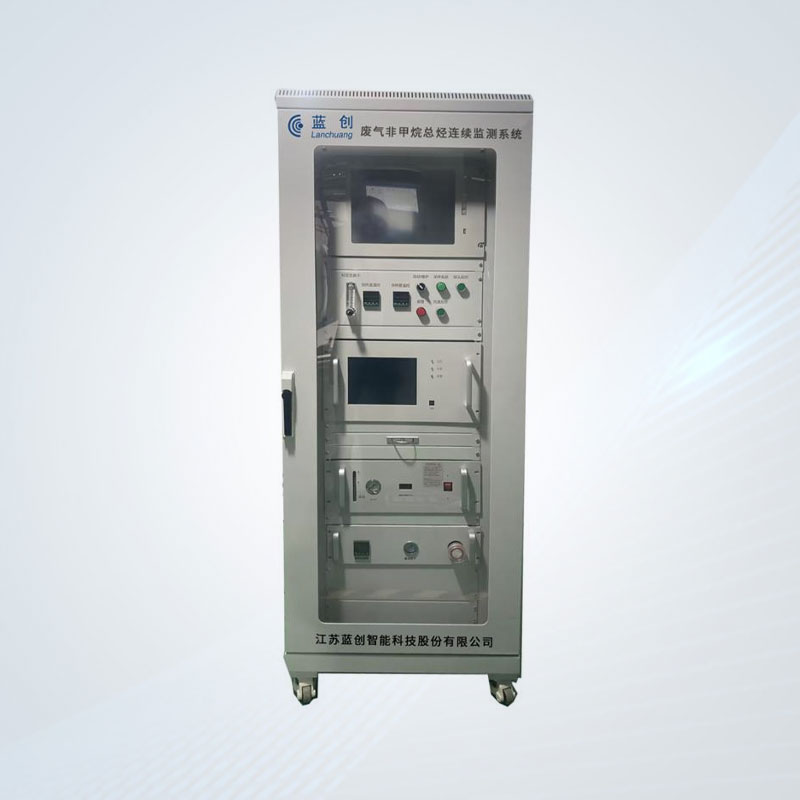
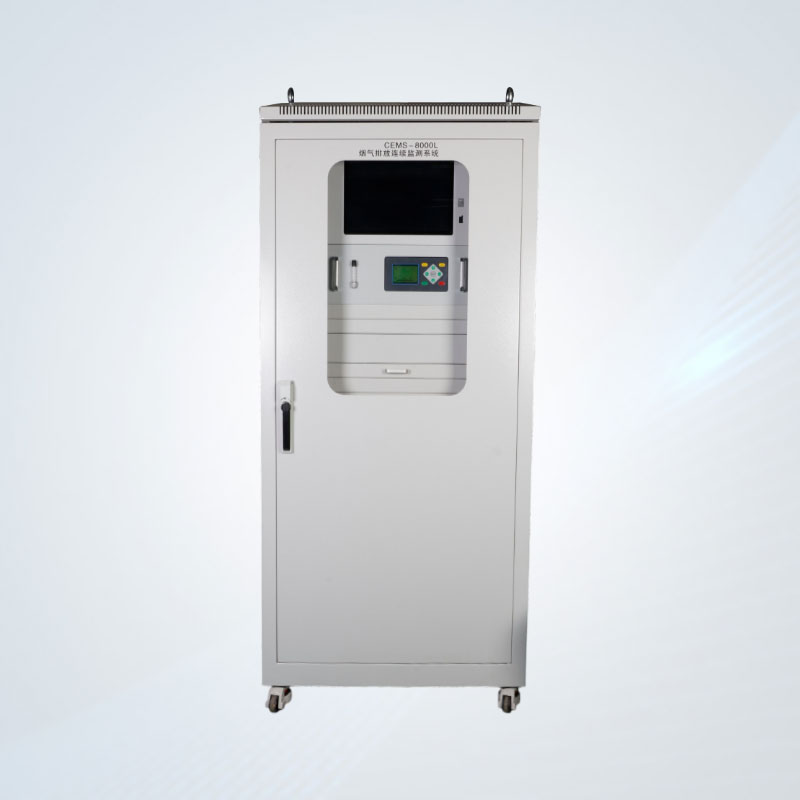
- Ambient Pollution Analyzers: Advanced, industrial-grade devices primarily used for outdoor air quality monitoring. They offer broad pollutant detection ranges and high-precision measurements, capable of monitoring air quality across large geographic areas and supporting environmental research, urban planning, and regulatory compliance.
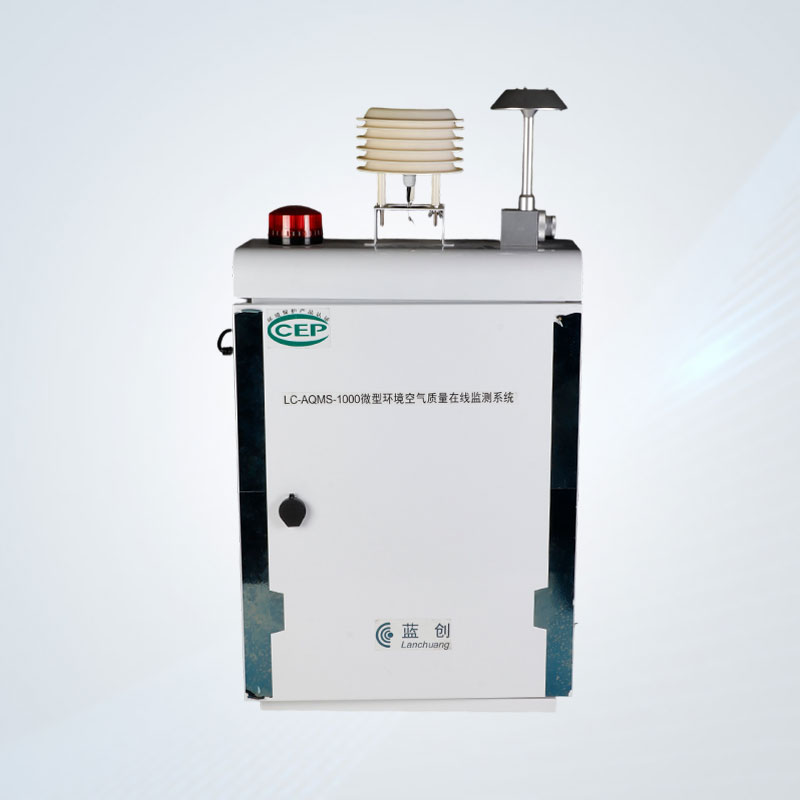
- Smart Air Quality Monitors: Integrated with IoT (Internet of Things) technology, these devices sync seamlessly with smart home ecosystems and mobile applications. They provide remote monitoring capabilities, automated alerts when pollutant levels exceed threshold values, and data logging for long-term trend analysis.
Core Benefits of Air Quality Sensors
The primary value proposition of air quality sensors lies in their ability to enable proactive health protection and environmental management. Poor air quality—whether indoor or outdoor—is a well-documented risk factor for respiratory disorders (such as asthma and chronic obstructive pulmonary disease), allergic reactions, cardiovascular diseases, and even neurocognitive impairments. By continuously monitoring pollutant levels, these sensors empower users to identify sources of contamination (e.g., faulty ventilation, chemical emissions, or outdoor pollution infiltration) and implement targeted interventions to mitigate risks.
In commercial and office settings, maintaining optimal air quality directly enhances occupant comfort and work efficiency. Elevated CO₂ concentrations, for example, have been scientifically linked to drowsiness, reduced concentration, and impaired decision-making—factors that can significantly hinder productivity. Air quality sensors facilitate the optimization of ventilation systems and indoor environments, creating a healthier, more productive workspace.
Beyond individual and occupational health, air quality sensors play a crucial role in raising environmental awareness. By providing accessible, real-time data on pollutant levels, they enable individuals, communities, and organizations to understand the impact of human activities on air quality, fostering informed decisions to reduce carbon footprints, adopt sustainable practices, and advocate for improved environmental policies.
Working Mechanisms and Key Selection Criteria
Air quality sensors operate via specialized detection technologies tailored to the type of pollutant being measured. Common technologies include:
- Infrared (IR) Sensors: Used primarily for CO₂ detection, leveraging the absorption of infrared light by CO₂ molecules to quantify concentration.
- Laser Scattering Sensors: Ideal for measuring particulate matter (PM₂.₅, PM₁₀), using laser light to detect and count fine particles in the air.
- Electrochemical Sensors: Employed for detecting toxic gases (such as NO₂, O₃, and carbon monoxide), utilizing chemical reactions to generate an electrical signal proportional to pollutant concentration.
When selecting an air quality sensor, several critical factors should be prioritized to ensure optimal performance and value:
1. Accuracy and Precision: Opt for sensors calibrated to industry standards (e.g., ISO, EPA) to ensure reliable, repeatable measurements—critical for making informed health and environmental decisions.
2. Real-Time Monitoring Capabilities: Choose devices that provide instantaneous data updates, enabling rapid response to sudden spikes in pollutant levels.
3. Connectivity and Integration: For smart home or commercial applications, select sensors with Bluetooth, Wi-Fi, or Zigbee connectivity, allowing seamless integration with mobile apps, building management systems (BMS), or smart ventilation devices.
4. Battery Life (for Portable Devices): Handheld monitors should offer extended battery life (preferably 8–12 hours or more) to support prolonged field use without frequent recharging.
5. Pollutant Detection Range: Ensure the sensor covers the specific pollutants relevant to your environment—for example, prioritizing VOC and CO₂ detection for indoor use, or NO₂ and PM₂.₅ for outdoor monitoring in urban areas.
Cost-Benefit Analysis
The cost of air quality sensors varies widely based on type, technology, and features—ranging from affordable basic models (for residential use) to high-end, industrial-grade analyzers (for commercial or research applications). While advanced smart sensors or ambient analyzers may require a higher initial investment, even entry-level models provide actionable insights that can prevent costly health issues, reduce healthcare expenditures, and optimize energy use (e.g., by adjusting ventilation systems based on real-time data).
The return on investment (ROI) extends beyond financial savings: the peace of mind associated with knowing the air you breathe is safe, and the ability to protect vulnerable populations (such as young children, the elderly, and individuals with preexisting health conditions) is invaluable.