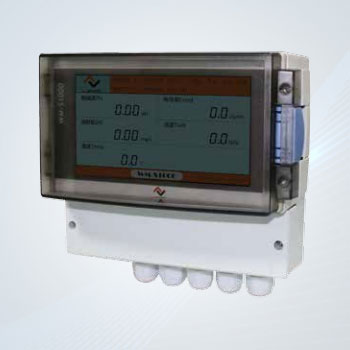
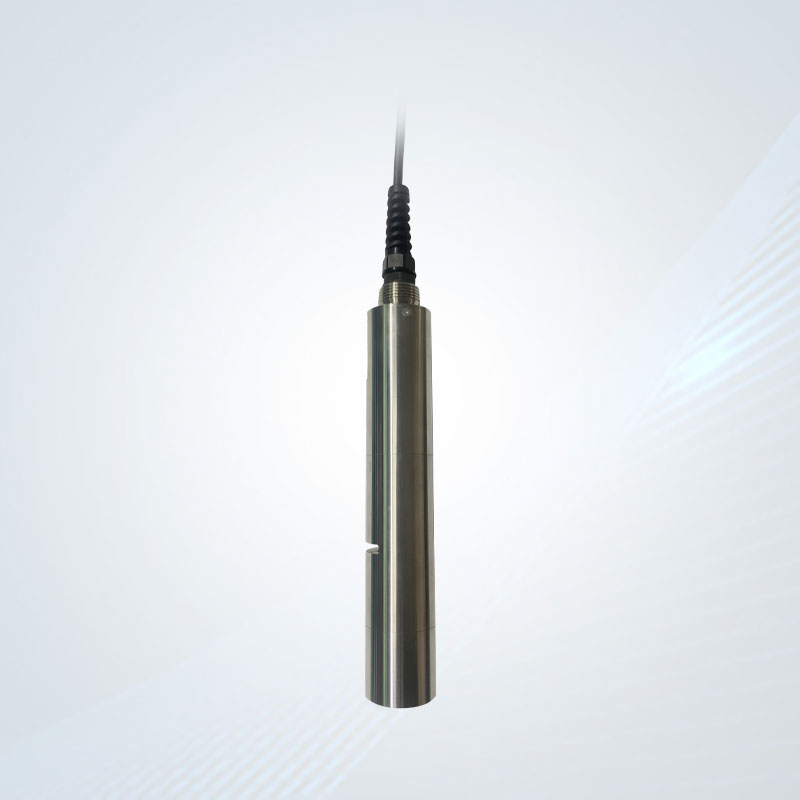
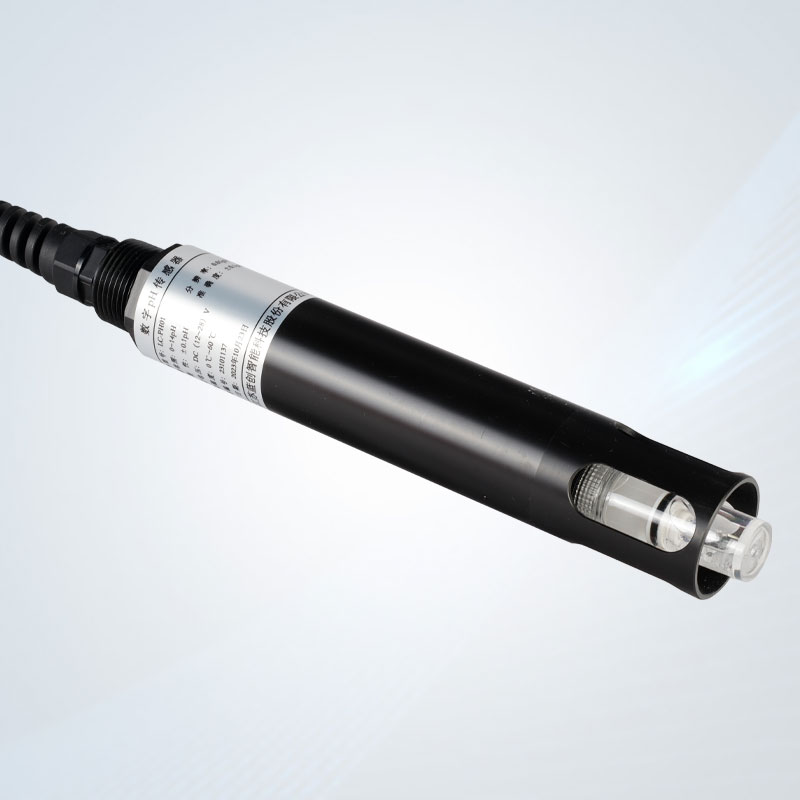
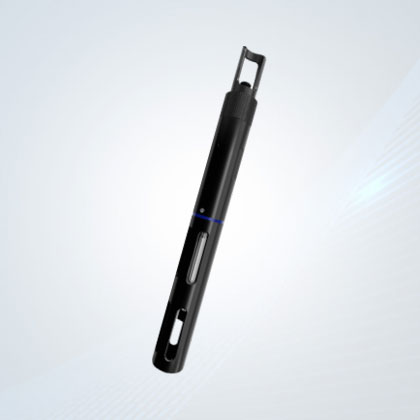
In an era marked by escalating water scarcity, anthropogenic pollution, and stringent global regulatory frameworks, the preservation of water quality has evolved into a critical strategic imperative for industries, municipalities, and environmental stewardship organizations. Traditional water monitoring—reliant on manual sampling, off-site laboratory analysis, and periodic data reporting—faces inherent limitations of latency, sampling bias, and inadequate real-time responsiveness, which can compromise public health, environmental integrity, and regulatory compliance. Against this backdrop, online water quality analyzers have emerged as transformative technological enablers, delivering continuous, high-precision monitoring of key water parameters. This article delves into the technical merits, operational advantages, industry-specific applications, and transformative impact of these advanced systems in driving proactive water resource management.
1. Technical Foundations: Core Parameters and Sensing Mechanisms
Online water quality analyzers are automated, integrated systems designed to measure, record, and transmit real-time data on critical water quality parameters—encompassing physical, chemical, and biological indicators. These systems leverage state-of-the-art sensing technologies tailored to the unique properties of target analytes, ensuring accuracy, selectivity, and reliability across diverse water matrices (e.g., drinking water, industrial wastewater, surface water, and brackish water). Key monitored parameters and their technical significance include:
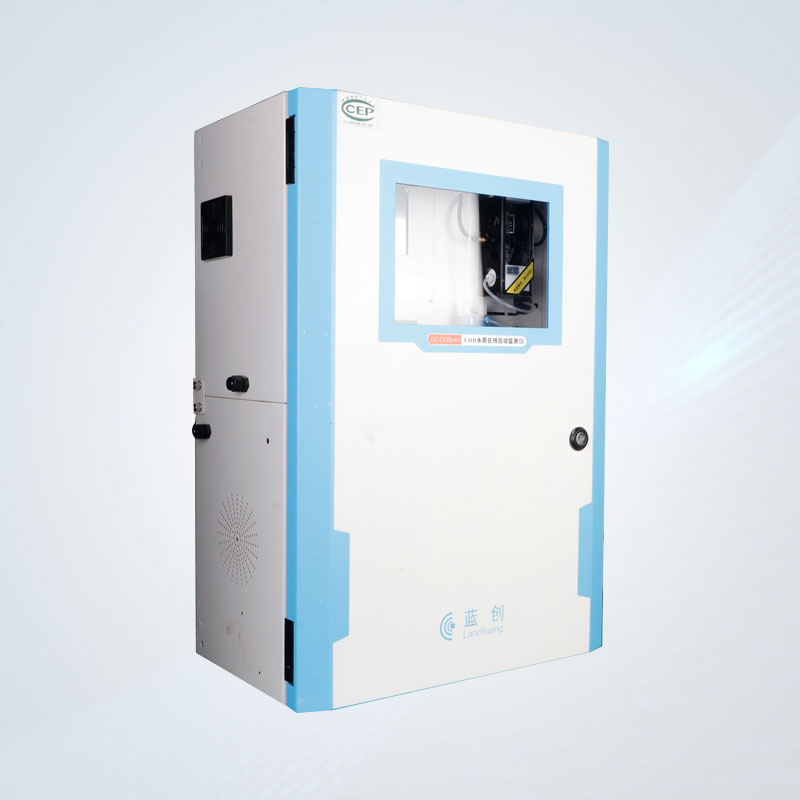
- Chemical Oxygen Demand (COD): A primary indicator of organic pollution load, COD quantifies the oxygen required to oxidize organic and inorganic reducible substances in water. Online COD analyzers typically employ spectrophotometric detection (via potassium dichromate or potassium permanganate oxidation) or electrochemical sensing, delivering detection ranges of 0–50,000 mg/L and response times <10 minutes—enabling real-time tracking of pollution spikes from industrial discharges or municipal sewage.
- Volatile Organic Compounds (VOCs): Toxic, carcinogenic, or environmentally persistent organic chemicals (e.g., benzene, toluene, trichloroethylene) derived from industrial processes, fuel leaks, or agricultural runoff. Online VOC analyzers utilize photoionization detectors (PID), gas chromatography-mass spectrometry (GC-MS), or membrane-integrated sensors to achieve ppb-level detection, ensuring compliance with standards such as EPA Method 8260 and EU REACH.
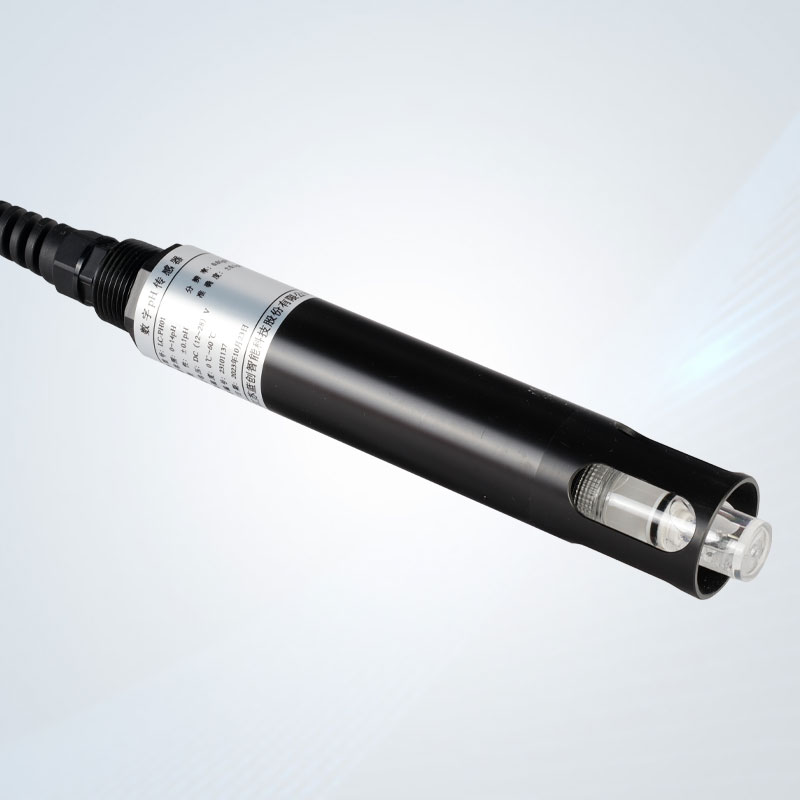
- pH and Electrolyte Balance: pH (a measure of hydrogen ion concentration, 0–14) directly impacts aquatic ecosystem health, corrosion of industrial equipment, and efficacy of water treatment processes (e.g., coagulation, disinfection). Online pH analyzers integrate ion-selective electrodes (ISEs) with temperature compensation to maintain ±0.01 pH unit precision, critical for industries such as semiconductor manufacturing and pharmaceutical production where strict pH control (e.g., 6.5–8.5 for drinking water) is mandatory.
- Complementary Parameters: Advanced systems also monitor total suspended solids (TSS) via laser scattering, dissolved oxygen (DO) using optical or electrochemical sensors, ammonia nitrogen (NH₃-N) through Nesslerization or salicylate-hypochlorite methods, and heavy metals (e.g., Pb, Cd, Hg) via anodic stripping voltammetry—providing a holistic water quality profile.
2. Core Advantages: Transforming Water Monitoring Paradigms
Online water quality analyzers address the fundamental limitations of traditional offline monitoring, delivering multifaceted benefits that drive operational excellence, regulatory compliance, and risk mitigation:
2.1 Continuous, Real-Time Data Acquisition
Unlike manual sampling (which captures only snapshot data and is prone to temporal bias), online analyzers provide 24/7, uninterrupted monitoring with data refresh rates ranging from 1–60 minutes. This capability enables the rapid detection of acute pollution events—such as accidental chemical spills, stormwater runoff surges, or process failures in wastewater treatment plants (WWTPs)—allowing for immediate corrective actions (e.g., isolating contaminated streams, adjusting treatment chemical dosages, or triggering emergency shutdowns). For example, in a chemical manufacturing facility, real-time COD data can alert operators to a sudden increase in organic load, preventing non-compliant discharge and avoiding EPA fines of up to $50,000 per day under the Clean Water Act.
2.2 Enhanced Accuracy, Precision, and Data Integrity
Online systems integrate automated calibration (using NIST-traceable standards), sample pre-treatment (e.g., filtration, temperature control, and reagent mixing), and error-correction algorithms—eliminating human error associated with manual sampling, sample transport, and laboratory analysis. Modern analyzers achieve measurement precision of ±1–3% relative standard deviation (RSD) for key parameters, ensuring data is legally defensible for regulatory reporting. Additionally, built-in quality control (QC) features (e.g., blank checks, duplicate sampling, and sensor drift detection) further validate data integrity, aligning with ISO 17025 accreditation requirements.
2.3 Operational Efficiency and Cost Optimization
While the upfront capital investment for online analyzers may exceed that of manual methods, the long-term cost savings are substantial:
- Reduced Labor Costs: Eliminates the need for dedicated staff to collect samples, transport them to laboratories, and process results—reducing labor expenses by 30–60% annually for medium-to-large facilities.
- Minimized Laboratory Fees: Avoids recurring costs for off-site analysis (typically $50–$200 per sample for comprehensive testing), which can accumulate to hundreds of thousands of dollars annually for high-volume monitoring.
- Preventive Maintenance: Real-time data enables predictive optimization of water treatment processes (e.g., adjusting coagulant dosage based on TSS levels, optimizing aeration in WWTPs using DO data), reducing chemical consumption and energy costs by 10–20%.
2.4 Proactive Regulatory Compliance
Global water quality regulations—including the U.S. EPA’s Safe Drinking Water Act (SDWA), the EU’s Water Framework Directive (WFD), China’s GB 3838-2002 Surface Water Standard, and WHO Drinking Water Guidelines—mandate strict limits on pollutants and require continuous monitoring for high-risk sources. Online analyzers automate compliance reporting, generating hourly, daily, or monthly reports with metrics such as average concentration, peak values, and exceedance alerts. This not only ensures adherence to regulatory thresholds but also provides a transparent audit trail for inspections, reducing the risk of non-compliance penalties and reputational damage.
3. Industry-Specific Applications: Tailored Solutions for Critical Sectors
3.1 Industrial Manufacturing
- Chemical, Pharmaceutical, and Food & Beverage: Monitor COD, VOCs, and pH in process water and effluent to ensure compliance with discharge permits (e.g., EPA 40 CFR Part 403) and prevent product contamination. For example, a brewery uses online TSS and DO analyzers to optimize wastewater treatment, reducing BOD (Biochemical Oxygen Demand) levels to meet local discharge limits.
- Semiconductor and Electronics: Maintain ultra-pure water (UPW) quality with online conductivity, TOC (Total Organic Carbon), and particle count analyzers, critical for preventing microchip defects and ensuring compliance with SEMI F63 standards.
3.2 Municipal Water and Wastewater
- Drinking Water Treatment: Online analyzers monitor turbidity, pH, chlorine residual, and disinfection byproducts (e.g., trihalomethanes, THMs) at key stages (raw water intake, coagulation, filtration, disinfection), ensuring tap water meets EPA MCLs (Maximum Contaminant Levels) and protecting public health from pathogens and toxins.
- Wastewater Treatment Plants (WWTPs): Integrate with SCADA (Supervisory Control and Data Acquisition) systems to monitor influent/effluent COD, NH₃-N, DO, and TSS, optimizing biological treatment processes (e.g., nitrification/denitrification) and ensuring effluent compliance with NPDES (National Pollutant Discharge Elimination System) permits.
3.3 Environmental Monitoring
- Surface Water and Groundwater: Deployed in rivers, lakes, reservoirs, and aquifers to track pollution trends (e.g., agricultural runoff of nitrogen/phosphorus, industrial discharge of heavy metals) and assess ecosystem health. Environmental agencies use real-time data to identify pollution sources, implement remediation measures, and report on WFD ecological status.
- Mining and Construction: Monitor heavy metal concentrations (e.g., arsenic, lead) and pH in mine drainage and construction site runoff, preventing acid mine drainage (AMD) and compliance with EPA’s Mining Waste Regulations.
4. Technological Innovations: IoT, AI, and the Future of Online Monitoring
The evolution of online water quality analyzers is accelerated by integration with cutting-edge digital technologies, expanding their capabilities beyond basic monitoring:
- IoT Connectivity: Wireless, battery-powered analyzers with 5G/LoRaWAN connectivity transmit data to cloud-based platforms (e.g., AWS IoT Core, Microsoft Azure IoT) for remote monitoring, enabling stakeholders to access real-time dashboards, set custom alerts, and manage multiple sites from a central location.
- AI and Machine Learning (ML): ML algorithms analyze historical and real-time data to predict water quality trends (e.g., forecasting algal blooms based on nutrient levels and temperature) and optimize treatment processes (e.g., AI-driven dosage control for disinfection chemicals). Predictive maintenance algorithms also identify potential sensor failures (e.g., membrane fouling, reagent depletion) before downtime occurs.
- Miniaturization and Portability: Compact, field-deployable analyzers (e.g., handheld VOC detectors, buoy-mounted water quality sensors) enable monitoring of remote or hard-to-reach locations, complementing fixed systems for comprehensive coverage.
- Multiplexed Sensing: Next-generation analyzers integrate multiple detection technologies to measure 10+ parameters simultaneously (e.g., COD, NH₃-N, TSS, DO) with a single unit, reducing hardware footprint and installation costs.
5. Key Considerations for Implementation and Optimization
To maximize the value of online water quality analyzers, organizations must address critical implementation and operational factors:
- Calibration and Maintenance: Regular automated calibration (daily/weekly) with traceable standards and periodic manual audits (quarterly/annually) are essential to maintain accuracy. Routine maintenance (e.g., sensor cleaning, reagent replacement, membrane inspection) ensures long-term reliability.
- Sample Representativeness: Proper installation (e.g., sampling points upstream of treatment processes, away from dead zones) and sample pre-treatment (e.g., filtration to remove particulates) prevent matrix interference and ensure data reflects actual water quality.
- Data Management and Cybersecurity: Robust data management software must handle high-volume data streams, support compliance reporting, and ensure data security (e.g., encrypted transmission, access controls) to protect sensitive operational and regulatory information.
- Scalability: Modular system designs enable organizations to expand monitoring capabilities (e.g., adding VOC detection to an existing COD analyzer) as regulatory requirements or operational needs evolve.
6. Conclusion
Online water quality analyzers represent a paradigm shift in water resource management, transitioning from reactive, sample-based monitoring to proactive, data-driven stewardship. By delivering continuous, accurate, and real-time insights into water quality, these systems empower industries, municipalities, and environmental agencies to safeguard public health, comply with regulations, optimize operational efficiency, and protect aquatic ecosystems.
As global water challenges intensify—driven by population growth, climate change, and industrialization—the role of online analyzers will become increasingly indispensable. The integration of IoT, AI, and multiplexed sensing will further enhance their capabilities, enabling predictive water management and supporting the achievement of UN Sustainable Development Goal 6 (Clean Water and Sanitation) for all.
For organizations seeking to navigate complex regulatory landscapes, reduce operational costs, and demonstrate environmental leadership, investing in online water quality analyzers is not merely a technical decision but a strategic commitment to sustainable water resource management. By harnessing the power of these advanced systems, we can ensure cleaner, safer water for current and future generations.