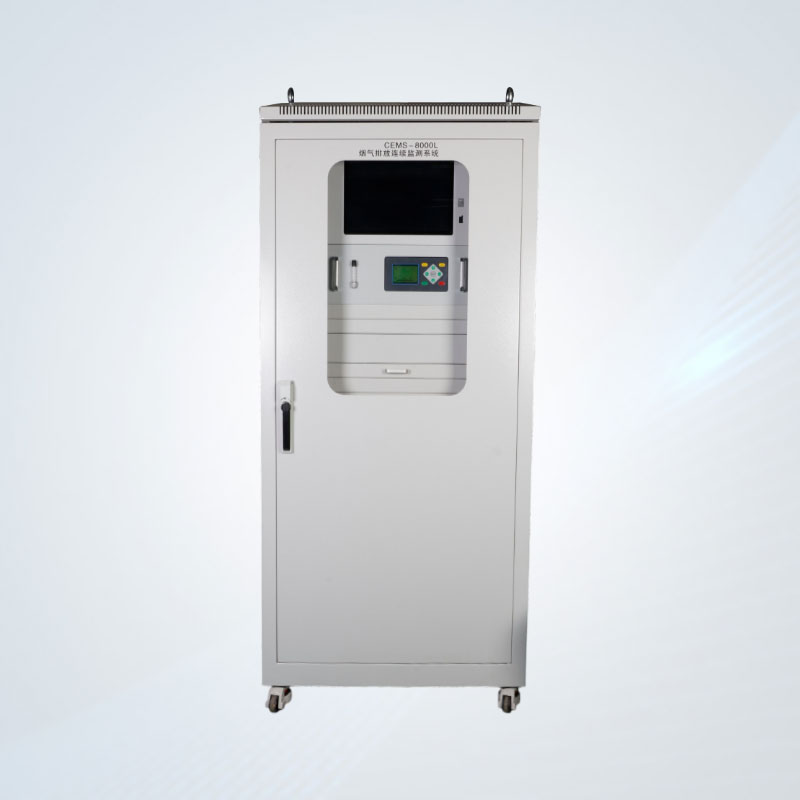
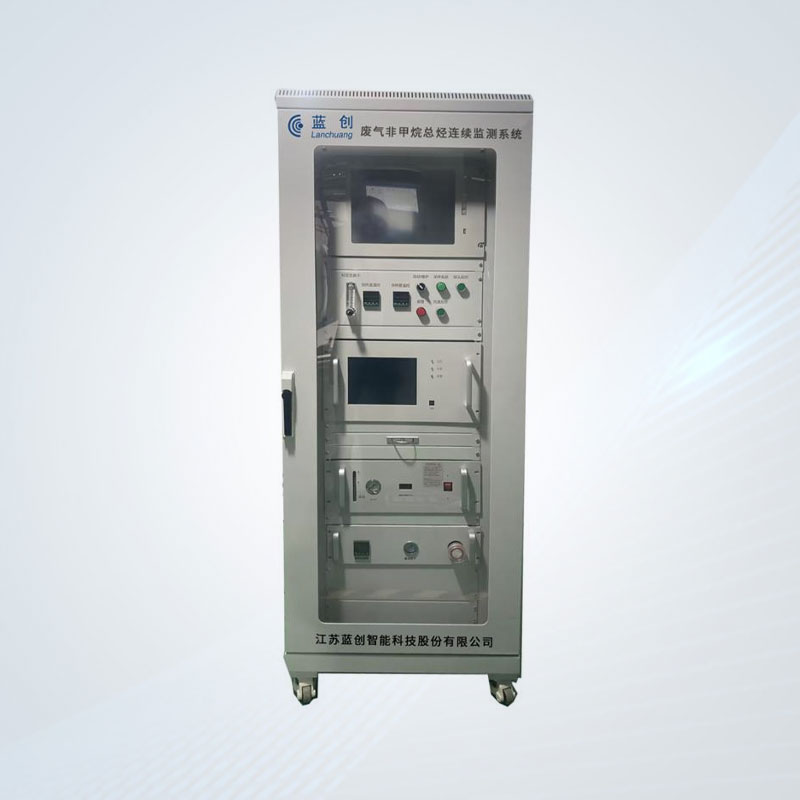
Nitrogen oxide (NOx) sensors are specialized devices designed to detect, measure, and quantify nitrogen oxides—primarily nitric oxide (NO) and nitrogen dioxide (NO₂)—which are harmful air pollutants emitted from combustion processes. They play a critical role in automotive exhaust control, industrial emissions monitoring, environmental protection, and regulatory compliance. By providing real-time, accurate NOx concentration data, these sensors enable the optimization of combustion systems, the operation of emission control devices, and the enforcement of air quality standards. This article elaborates on the working principles, key types, application scenarios, selection criteria, maintenance practices, and industry innovations of NOx sensors, offering practical guidance for engineers, technicians, and environmental professionals.
I. Core Working Principles of NOx Sensors
NOx sensors operate based on diverse electrochemical, optical, or physical principles, each tailored to specific accuracy requirements, operating environments, and NOx concentration ranges. The core principles are as follows:
1. Electrochemical Principle
Electrochemical NOx sensors are the most widely used type, particularly in automotive and small-scale industrial applications. They consist of a sensing electrode, a counter electrode, a reference electrode, and an electrolyte (solid or liquid). When NOx gases come into contact with the sensing electrode, electrochemical reactions occur—NO and NO₂ are oxidized or reduced, generating an electrical current proportional to the NOx concentration. Solid electrolyte sensors (e.g., yttria-stabilized zirconia, YSZ) are preferred for high-temperature environments (e.g., automotive exhaust), as they offer stable performance at 200-800℃. Liquid electrolyte sensors are suitable for low-temperature, low-concentration applications (e.g., indoor air quality monitoring) but require regular electrolyte replacement.
2. Optical Principle
Optical NOx sensors utilize the unique light absorption or emission characteristics of NOx molecules to measure concentration. Key subtypes include: Non-Dispersive Infrared (NDIR) Sensors, which detect NOx by measuring the absorption of specific infrared wavelengths—each NOx gas has a distinct absorption spectrum, enabling selective detection.Laser-Based Sensors (e.g., Tunable Diode Laser Absorption Spectroscopy, TDLAS) offer high precision and sensitivity, using a tunable laser to target specific NOx absorption lines, minimizing interference from other gases. Optical sensors are ideal for high-precision industrial emissions monitoring and environmental surveillance, as they provide fast response times and long-term stability.
3. Chemiluminescence Principle
Chemiluminescence NOx analyzers are the gold standard for laboratory and reference-grade NOx measurement. They work by reacting NO with ozone (O₃) to produce excited nitrogen dioxide (NO₂*), which emits light as it returns to its ground state. The intensity of the emitted light is proportional to the NO concentration. To measure total NOx (NO + NO₂), a converter first reduces NO₂ to NO before the reaction. These analyzers offer ultra-high accuracy and low detection limits but are large, expensive, and suitable for stationary laboratory or fixed monitoring stations rather than portable or on-board applications.
4. Semiconductor Principle
Semiconductor NOx sensors detect NOx by measuring changes in the electrical conductivity of a metal oxide semiconductor (e.g., tin oxide, titanium dioxide) when exposed to NOx gases. The adsorption of NOx molecules on the semiconductor surface alters the charge carrier concentration, leading to a measurable conductivity change. These sensors are cost-effective, compact, and suitable for low-concentration NOx detection but have lower selectivity—they may be affected by other gases (e.g., CO, hydrocarbons) and require temperature control for stable performance.
II. Key Types of NOx Sensors by Application
NOx sensors are categorized based on their deployment scenario, design, and performance requirements, with specialized types for automotive, industrial, and environmental use:
1. Automotive On-Board NOx Sensors
Designed for integration into vehicle exhaust systems, these sensors monitor NOx emissions in real time to optimize the performance of selective catalytic reduction (SCR) systems and diesel particulate filters (DPF). The two main subtypes are: Planar Zirconia Sensors, solid-state electrochemical sensors with a planar design for fast response and high-temperature resistance (up to 800℃), widely used in diesel and gasoline vehicles. Wide-Range NOx Sensors, which measure both NO and NO₂ concentrations across a broad range (10-5000 ppm), enabling precise control of SCR urea injection. These sensors must comply with automotive standards (e.g., ISO 15031, SAE J2714) and withstand harsh exhaust conditions (vibration, temperature fluctuations, corrosive gases).
2. Industrial Emissions NOx Sensors
Tailored to industrial combustion processes (power plants, refineries, cement kilns, boilers), these sensors prioritize high accuracy, durability, and compliance with emissions regulations. Fixed-Point Optical Sensors (TDLAS, NDIR) are installed directly in flue gas ducts to monitor NOx concentrations continuously, integrating with industrial control systems (ICS) to adjust combustion parameters. Extractive Sampling Sensors draw flue gas samples to a centralized analyzer (chemiluminescence or optical), suitable for high-dust, high-humidity flue gas environments after sample conditioning. Industrial NOx sensors must meet strict standards (e.g., EPA Method 7E, EN 14789) for regulatory compliance.
3. Environmental Monitoring NOx Sensors
Used for ambient air quality monitoring and pollution source tracking, these sensors focus on low-concentration detection, portability, and long-term reliability. Portable NOx Monitors (electrochemical or semiconductor-based) are used by environmental technicians for field surveys, emergency response, and spot checks of emissions from small-scale sources (e.g., generators, small factories).Fixed Ambient Air Sensors (optical or chemiluminescence) are part of air quality monitoring networks (AQMN), measuring NOx concentrations in urban, industrial, and rural areas to support air quality forecasting and policy-making. These sensors comply with environmental standards (e.g., ISO 10156, EPA 40 CFR Part 60).
4. Specialized NOx Sensors
Customized for specific use cases:Marine NOx Sensors, designed to withstand saltwater corrosion and extreme temperatures for monitoring emissions from ship engines, complying with IMO MARPOL Annex VI regulations. Aerospace NOx Sensors, lightweight, high-precision sensors for monitoring aircraft engine emissions during testing. Indoor Air Quality Sensors, low-power semiconductor sensors for detecting NOx from gas stoves, heaters, or tobacco smoke, ensuring indoor air safety.
III. Selection Criteria for NOx Sensors
Selecting the appropriate NOx sensor requires balancing measurement requirements, operating environment, regulatory compliance, and cost. The following factors should be prioritized:
1. Measurement Performance
Define key performance metrics: Concentration Range (match to expected NOx levels—ppm for automotive/industrial, ppb for ambient air), Accuracy (±1-5% full scale for industrial, ±0.1 ppb for reference-grade), Response Time (≤1 second for automotive on-board, ≤10 seconds for industrial), and Selectivity (ability to distinguish NOx from other gases, critical for complex environments). For total NOx measurement, ensure the sensor includes a NO₂-to-NO converter if needed.
2. Operating Environment Adaptability
Consider environmental conditions: Temperature (high-temperature sensors for exhaust/flue gas, low-temperature for ambient air), Humidity (moisture-resistant designs for flue gas or outdoor use), Dust and Particulates (filtered or extractive sampling for high-dust environments), and Corrosive Gases (chemically resistant materials for industrial flue gas). For automotive use, select sensors with vibration resistance and compatibility with exhaust gases (CO, hydrocarbons, sulfur dioxide).
3. Regulatory Compliance and Certification
Ensure the sensor complies with industry-specific standards: automotive sensors (ISO 15031, SAE J2714), industrial emissions sensors (EPA Method 7E, EN 14789), environmental sensors (ISO 10156, EPA 40 CFR Part 60). Verify certification from regulatory bodies (e.g., EPA, CE, TÜV) to ensure measurement accuracy is recognized for compliance reporting.
4. Integration and Usability
For on-board or industrial control applications, select sensors with compatible output signals (analog: 4-20 mA, digital: CAN bus, RS485) for integration with existing systems (vehicle ECU, industrial ICS). Portable sensors should be lightweight, battery-powered, and equipped with intuitive user interfaces and data logging functions. Fixed sensors may require remote monitoring capabilities (Wi-Fi, Ethernet) for centralized data management.
5. Cost and Maintenance
Balance upfront cost with long-term maintenance needs: electrochemical sensors are cost-effective but may require electrode replacement; optical sensors have higher initial costs but lower maintenance; reference-grade chemiluminescence analyzers are expensive and require regular calibration. Consider calibration intervals (monthly for industrial, annually for reference-grade) and availability of calibration standards.
IV. Standard Usage and Maintenance Procedures
Proper use and maintenance of NOx sensors are critical for ensuring measurement accuracy, extending device lifespan, and maintaining regulatory compliance. Follow these standardized procedures:
1. Pre-Use Preparation
- Inspect the sensor: Check for physical damage (cracks, loose connections), contamination (dust, oil, corrosive residues), and expired calibration certificates. Ensure wiring and connectors are intact for electrical sensors.
- Calibrate if necessary: Use certified NOx calibration gases (known concentration) to verify sensor response. For automotive sensors, perform on-board calibration via the vehicle ECU; for industrial sensors, follow manufacturer calibration protocols (zero calibration with nitrogen, span calibration with standard NOx gas).
- Prepare the installation environment: For exhaust/flue gas sensors, ensure proper mounting (avoid direct contact with particulates, position in uniform gas flow); for ambient sensors, install at least 2 meters above ground, away from direct sunlight and pollution sources.
2. Operation and Monitoring
- Monitor real-time data: Track NOx concentration readings, ensuring they fall within expected ranges. For automotive sensors, check for fault codes (e.g., P2201, P229F) indicating sensor malfunction. For industrial sensors, set alarms for exceeding emissions limits to trigger corrective actions.
- Avoid interference: Keep electrochemical sensors away from sulfur-containing gases (which may poison electrodes); ensure optical sensors are free of dust and condensation to maintain light transmission.
- Record data: Document measurement results, calibration records, and operating conditions (temperature, humidity) for compliance audits and troubleshooting.
3. Routine Maintenance
- Clean the sensor: For extractive systems, replace filters regularly to prevent dust buildup; wipe optical sensor lenses with a lint-free cloth and alcohol to remove contamination. Avoid harsh chemicals that may damage sensing elements.
- Calibrate regularly: Adhere to the manufacturer’s calibration schedule (monthly for industrial, quarterly for portable, annually for reference-grade). Use traceable calibration gases to ensure accuracy.
- Replace worn components: For electrochemical sensors, replace electrodes or electrolytes when response time slows or accuracy degrades. For automotive sensors, replace the sensor if it fails on-board diagnostics (OBD) tests.
4. Troubleshooting Common Issues
- Inaccurate readings: Caused by expired calibration, contamination, or interference gases. Solutions: Recalibrate the sensor, clean the sensing element, and install a gas filter to reduce interference.
- No response or slow response: Check for wiring faults, sensor poisoning (electrochemical), or lens fogging (optical). Solutions: Repair/replace wiring, replace poisoned electrodes, or clean optical lenses.
- Sensor overheating or damage: Caused by exposure to extreme temperatures or corrosive gases. Solutions: Install heat shields for high-temperature environments, use chemically resistant sensors for corrosive applications, and replace damaged sensors.
V. Common Problems and Troubleshooting
1. Sensor Poisoning
Causes: Exposure to sulfur dioxide (SO₂), lead, or silicone compounds (common in automotive exhaust or industrial flue gas), which deactivate electrochemical sensor electrodes. Solutions: Use sulfur-resistant sensors for high-SO₂ environments; avoid silicone-based lubricants near sensors; replace poisoned sensors promptly.
2. Cross-Interference from Other Gases
Causes: Semiconductor or electrochemical sensors reacting to non-target gases (CO, hydrocarbons, ammonia) leading to false readings. Solutions: Select sensors with built-in interference filters; use optical sensors (TDLAS/NDIR) for high-selectivity applications; calibrate in the presence of background gases if possible.
3. Drift in Readings
Causes: Sensor aging, environmental temperature/humidity fluctuations, or contamination. Solutions: Perform regular calibration to correct drift; maintain stable operating conditions; clean the sensor periodically to remove residues.
4. Failure in High-Temperature Environments
Causes: Exceeding the sensor’s temperature rating, leading to electrolyte evaporation (electrochemical) or optical component damage (optical). Solutions: Select sensors rated for the operating temperature range; install heat sinks or cooling systems; avoid direct exposure to flame or hot exhaust streams.
VI. Industry Trends and Innovations
Driven by stricter emissions regulations, advancements in materials science, and the rise of smart monitoring systems, the NOx sensor market is evolving with innovative technologies:
- Smart NOx Sensors with IoT Integration: Emerging models integrate IoT connectivity and AI algorithms to enable remote monitoring, predictive maintenance, and real-time data analysis. These sensors transmit data to cloud-based platforms, alerting operators to faults or emissions spikes and optimizing calibration schedules.
- High-Selectivity Electrochemical Sensors: Manufacturers are developing electrodes with modified catalysts to improve selectivity, reducing cross-interference from sulfur dioxide, ammonia, and hydrocarbons. This enhances accuracy in complex industrial and automotive exhaust environments.
- Miniaturized and Low-Power Sensors: Advances in microelectronics have led to compact, low-power NOx sensors for portable devices and wearable air quality monitors. These sensors are ideal for personal exposure monitoring and small-scale industrial applications.
- Multi-Gas Integration: Combined sensors that detect NOx alongside other pollutants (CO, SO₂, hydrocarbons, particulate matter) are gaining traction, reducing equipment costs and simplifying monitoring systems in industrial and environmental applications.
- Durable Materials for Harsh Environments: New materials (e.g., ceramic composites, corrosion-resistant alloys) are being used to enhance sensor durability in high-temperature, high-dust, and corrosive environments, extending lifespan and reducing maintenance needs.
VII. Conclusion
NOx sensors are indispensable tools for mitigating air pollution, ensuring compliance with emissions regulations, and optimizing combustion processes across automotive, industrial, and environmental sectors. Selecting a sensor tailored to the application’s measurement requirements, operating environment, and regulatory needs—along with strict adherence to calibration and maintenance procedures—is critical for reliable performance and accurate data.
As emissions standards become stricter and smart monitoring technologies advance, NOx sensors will continue to evolve with improved accuracy, selectivity, and connectivity. Professionals in automotive engineering, industrial operations, and environmental protection should stay updated on these innovations to optimize emissions control, reduce environmental impact, and meet the evolving demands of air quality management.