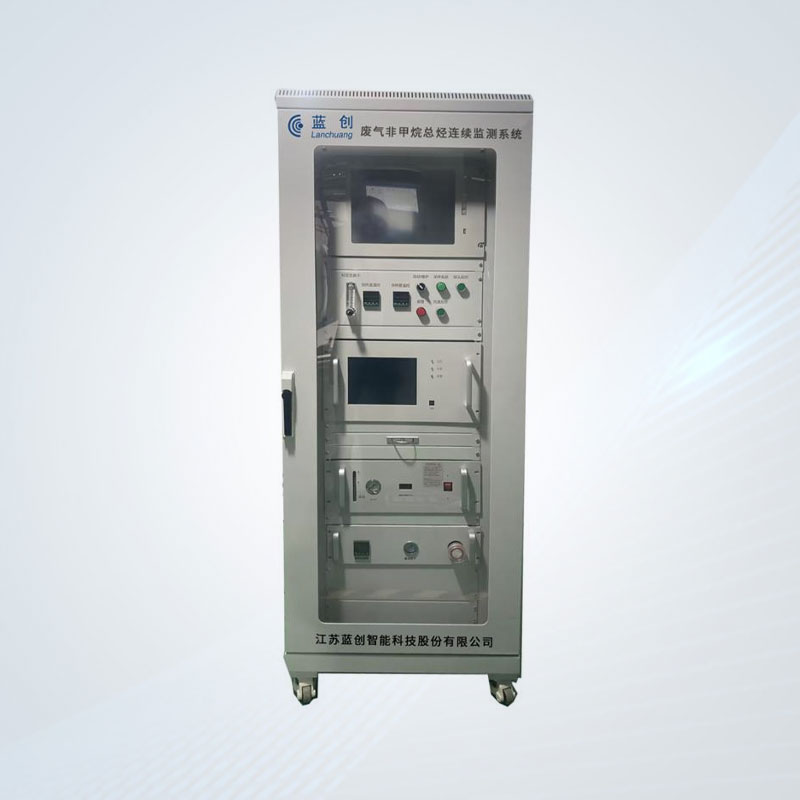
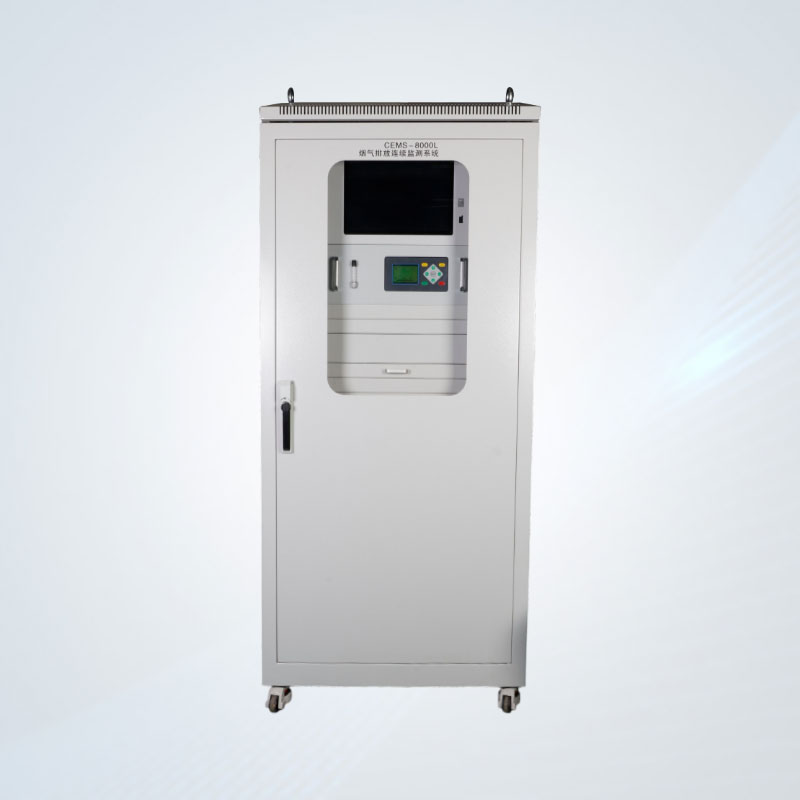
Radiation detectors are specialized devices designed to detect, measure, and quantify ionizing radiation (e.g., α particles, β particles, γ rays, neutrons) and non-ionizing radiation (e.g., ultraviolet, infrared). They play an irreplaceable role in nuclear power generation, medical imaging and radiotherapy, environmental radiation monitoring, homeland security, and scientific research. By converting radiation energy into measurable signals (electrical, optical, or thermal), radiation detectors enable the safe handling of radioactive materials, early warning of radiation hazards, and accurate data collection for research and regulatory compliance. This article elaborates on the core designs, key types, selection criteria, standard operating procedures, and industry innovations of radiation detectors, providing practical guidance for professionals across related fields.
I. Core Designs and Functional Features of Radiation Detectors
Radiation detectors are engineered to respond to specific radiation types and energy levels, with core designs tailored to maximize detection sensitivity, accuracy, and reliability. Their key functional features include:
1. Radiation Response and Sensitivity
The primary performance indicator of a radiation detector is its ability to respond to target radiation types. Sensitivity refers to the minimum radiation dose or flux that the detector can reliably detect—critical for low-level environmental monitoring and nuclear safety applications. High-sensitivity detectors use specialized materials (e.g., scintillators, semiconductors) to amplify weak radiation signals, ensuring no trace radiation goes undetected. Additionally, detectors may be optimized for specific radiation types: for example, neutron detectors require hydrogen-rich materials to convert neutrons into detectable charged particles, while γ-ray detectors prioritize high atomic number materials for efficient photon absorption.
2. Energy Resolution and Signal Discrimination
Energy resolution is the ability to distinguish between radiation of different energy levels, a key feature for identifying specific radioactive isotopes. Detectors with high energy resolution (e.g., semiconductor detectors) produce signal pulses proportional to the incident radiation energy, allowing for precise isotope identification in research and nuclear forensics. Signal discrimination mechanisms (e.g., pulse height analysis) filter out background noise and non-target radiation, ensuring measurement accuracy even in complex radiation environments.
3. Response Time and Detection Speed
Response time refers to the time required for the detector to generate a measurable signal after radiation exposure. Fast-response detectors (e.g., gas-filled proportional counters) are essential for real-time monitoring in nuclear power plants, radiotherapy, and emergency response scenarios, enabling immediate alerts for radiation leaks. Detection speed is also critical for high-throughput applications, such as radioactive material screening in airports or ports, where rapid analysis of large volumes of samples is required.
4. Material Selection and Durability
Detector materials are chosen based on radiation interaction properties and application requirements. Common materials include scintillators (e.g., sodium iodide, cesium iodide, plastic), semiconductors (e.g., germanium, silicon, cadmium telluride), gases (e.g., argon, xenon), and metals (e.g., aluminum for shielding). These materials must be chemically stable, radiation-resistant, and compatible with operating environments—for example, detectors used in harsh industrial settings require rugged casings to withstand temperature fluctuations, moisture, and physical impact. Semiconductor materials offer superior energy resolution but are sensitive to temperature, requiring cooling systems for optimal performance.
5. Data Output and Integration
Modern radiation detectors integrate data acquisition systems to convert analog signals into digital data, enabling real-time monitoring, storage, and analysis. Output formats include digital displays, audio alarms, and data logs (via USB, Wi-Fi, or Ethernet) for remote access. Advanced models feature software integration with radiation monitoring networks, allowing for centralized data management in large facilities (e.g., nuclear power plants, hospitals). Alarm systems are calibrated to trigger at preset radiation thresholds, providing immediate warnings to operators and facilitating rapid response to hazards.
II. Key Types of Radiation Detectors by Principle and Application
Radiation detectors are categorized based on their detection principle and target application, with specialized designs for different radiation types and use cases:
1. Gas-Filled Detectors
These detectors use ionized gas to generate electrical signals when radiation passes through the gas chamber. Common subtypes include: Geiger-Müller (GM) counters, widely used for general radiation surveying due to their low cost, portability, and simplicity—ideal for detecting α, β, and γ radiation in environmental monitoring and nuclear safety training.Proportional counters offer better energy resolution than GM counters, suitable for low-level radiation measurement and isotope identification in research.Ionization chambers are used for high-dose applications (e.g., radiotherapy dosimetry) due to their linear response to radiation dose, ensuring accurate measurement of therapeutic radiation levels.
2. Scintillation Detectors
Scintillation detectors convert radiation energy into visible or ultraviolet light, which is then detected by a photomultiplier tube (PMT) or photodiode and converted into an electrical signal. They are widely used in medical imaging, nuclear medicine, and high-energy physics. Crystalline scintillators (e.g., sodium iodide doped with thallium, NaI(Tl)) are used in γ-ray spectroscopy and positron emission tomography (PET) scans, offering high detection efficiency. Plastic scintillators are cost-effective and lightweight, suitable for β radiation detection and portable monitoring devices. Liquid scintillators are used for low-level neutron detection and radioisotope counting in biological and environmental samples.
3. Semiconductor Detectors
Semiconductor detectors utilize the ionization of semiconductor materials by radiation to generate electron-hole pairs, which are collected as electrical signals. They offer exceptional energy resolution, making them ideal for precise isotope identification and high-precision spectroscopy. Germanium detectors (cooled with liquid nitrogen) are the gold standard for γ-ray spectroscopy in research and nuclear forensics. Silicon detectors are used for α and β particle detection in laboratory settings, while cadmium telluride (CdTe) detectors are portable and operate at room temperature, suitable for field-based γ-ray monitoring and medical imaging.
4. Neutron Detectors
Neutrons are indirectly detected by converting them into charged particles via nuclear reactions. Common designs include boron trifluoride (BF₃) counters, which use boron-10 to convert neutrons into α particles, widely used in nuclear reactors for neutron flux monitoring.Helium-3 (³He) counters offer high neutron detection efficiency and are used in research, nuclear non-proliferation, and homeland security. Scintillation neutron detectors (e.g., lithium-glass scintillators) are portable and suitable for field-based neutron detection, such as screening for illicit radioactive materials.
5. Specialized Application Detectors
Tailored to specific industries: Medical dosimeters (e.g., thermoluminescent dosimeters, TLDs; optically stimulated luminescence dosimeters, OSLDs) measure radiation exposure for healthcare workers and patients undergoing radiotherapy. Environmental radiation monitors (e.g., portable survey meters, fixed monitoring stations) track background radiation levels in air, water, and soil. Homeland security detectors (e.g., radiation portal monitors, handheld identifiers) screen for illicit radioactive materials in ports, airports, and border crossings, ensuring nuclear non-proliferation.
III. Selection Criteria for Radiation Detectors
Selecting the appropriate radiation detector requires balancing radiation type, measurement requirements, operating environment, and regulatory compliance. The following factors should be prioritized:
1. Radiation Type and Energy Range
Match the detector to the target radiation type (α, β, γ, neutron) and energy range. For example, GM counters are suitable for general γ and β detection but cannot distinguish between energy levels; semiconductor detectors are required for precise γ-ray spectroscopy. Ensure the detector’s energy range covers the expected radiation levels—low-energy radiation (e.g., soft β particles) may require thin-window detectors to maximize detection efficiency.
2. Performance Requirements
Define key performance metrics: sensitivity (minimum detectable dose/flux) for low-level monitoring, energy resolution for isotope identification, and response time for real-time applications. For medical and regulatory purposes, select detectors with traceable calibration certificates to ensure measurement accuracy and compliance with standards (e.g., ISO 17025).
3. Operating Environment
Consider environmental conditions: temperature (semiconductor detectors may require cooling), moisture (rugged, waterproof casings for field use), physical space (portable vs. fixed models), and background radiation (detectors with noise reduction features for high-background environments). For hazardous areas (e.g., nuclear power plants), select detectors with explosion-proof ratings and durable construction.
4. Regulatory Compliance and Certification
Qualified detectors must meet international standards, including IEC 60980 (for radiation protection equipment), IEC 61000 (electromagnetic compatibility), and ISO standards for specific applications (e.g., ISO 9978 for medical dosimeters). Ensure the detector is certified by regulatory bodies (e.g., FDA, CE, NIST) and calibrated regularly to maintain accuracy—calibration intervals are typically 6 to 12 months, depending on usage and regulatory requirements.
5. Usability and Integration
For field use, prioritize portable, lightweight detectors with long battery life and intuitive user interfaces. For fixed monitoring systems, select detectors with remote data output and integration capabilities with existing networks. Ensure the detector includes alarm systems (audio, visual) and data logging functions to facilitate compliance reporting and incident response.
IV. Standard Usage and Maintenance Procedures
Proper use and maintenance of radiation detectors are critical for ensuring measurement accuracy, extending device lifespan, and protecting operators. Follow these standardized procedures:
1. Pre-Use Preparation
- Inspect the detector: Check for physical damage (cracks, loose connections), low battery levels, and expired calibration certificates. Ensure the detector is turned on and undergoes a self-test to verify functionality.
- Calibrate if necessary: Use a certified radiation source to verify the detector’s response—do not use uncalibrated detectors for regulatory or safety-critical measurements.
- Familiarize with controls: Understand the detector’s operating modes, alarm thresholds, and data output functions. Adjust settings (e.g., sensitivity, energy range) based on the application.
2. Detection Operation
- Maintain proper distance: Position the detector’s sensing element toward the target radiation source, ensuring no obstacles block radiation exposure. For surveying, move the detector slowly (1-2 cm per second) to avoid missing radiation hotspots.
- Monitor alarms: Pay attention to audio/visual alarms—if triggered, move to a safe area, identify the radiation source, and take appropriate action (e.g., notify safety personnel, isolate the area).
- Record data: Document measurement results, including time, location, radiation levels, and detector settings. For regulatory compliance, store data logs securely for audit purposes.
3. Post-Use Maintenance
- Clean the detector: Wipe the casing and sensing element with a mild disinfectant or alcohol wipe to remove contaminants. Avoid harsh chemicals that may damage detector materials (e.g., scintillators, semiconductors).
- Store properly: Keep the detector in a dry, temperature-controlled environment, away from radiation sources. For battery-powered models, remove batteries if not in use for extended periods to prevent leakage.
- Calibrate regularly: Adhere to the manufacturer’s recommended calibration schedule and regulatory requirements. Maintain calibration records to demonstrate compliance.
4. Troubleshooting and Repairs
- Address common issues: Low sensitivity may be due to dirty sensing elements or expired calibration—clean the detector and recalibrate. False alarms may result from electromagnetic interference or incorrect settings—adjust the detector’s filters or move away from interference sources.
- Professional repairs: For major malfunctions (e.g., no signal output, damaged sensing elements), contact the manufacturer or a certified service provider. Do not attempt to disassemble or repair complex components (e.g., semiconductors, PMTs) without specialized training.
V. Common Problems and Troubleshooting
1. Inaccurate Measurements
Causes: Expired calibration, environmental interference (temperature, moisture), incorrect energy range settings, or dirty sensing elements. Solutions: Recalibrate the detector; adjust operating settings to match the radiation type/energy; clean the sensing element; move to a stable environment.
2. No Signal or Low Sensitivity
Causes: Dead batteries, loose connections, damaged sensing elements, or radiation shielding between the detector and source. Solutions: Replace batteries; check and tighten connections; inspect for physical damage (replace if necessary); reposition the detector to eliminate shielding.
3. False Alarms
Causes: Electromagnetic interference (e.g., from other electronic devices), background radiation fluctuations, or incorrect alarm threshold settings. Solutions: Move the detector away from interference sources; adjust alarm thresholds to match the application; use noise reduction filters if available.
4. Overheating or Component Failure
Causes: Extended use in high-temperature environments, improper cooling (for semiconductor detectors), or age-related component degradation. Solutions: Move the detector to a cooler environment; ensure cooling systems (e.g., liquid nitrogen for germanium detectors) are functioning; replace worn components per manufacturer guidelines.
VI. Industry Trends and Innovations
Driven by advancements in materials science, electronics, and artificial intelligence, the radiation detector market is evolving with innovative technologies to enhance performance, portability, and usability:
- Smart Radiation Detectors: Emerging models integrate AI and machine learning algorithms to improve signal processing, reduce false alarms, and automate isotope identification. Real-time data is transmitted to cloud-based platforms, enabling predictive maintenance and centralized monitoring of multiple detectors.
- Portable and Miniaturized Designs: Advances in semiconductor materials (e.g., CdTe, CZT) have led to compact, handheld detectors with performance comparable to laboratory-grade equipment. These devices are ideal for field-based monitoring, emergency response, and homeland security.
- Novel Detection Materials: New materials (e.g., perovskites, 2D materials) offer enhanced radiation absorption, energy resolution, and temperature stability. Perovskite scintillators, for example, provide high light yield and low cost, promising to replace traditional crystalline scintillators in medical imaging.
- Multi-Modal Detection Systems: Integrated detectors that simultaneously measure multiple radiation types (e.g., γ rays and neutrons) and environmental parameters (e.g., temperature, humidity) are being developed for comprehensive radiation monitoring in complex environments (e.g., nuclear decommissioning sites).
- Wireless and IoT Integration: Detectors with 5G and IoT connectivity enable real-time remote monitoring across large facilities, improving response times to radiation hazards and reducing the need for on-site personnel in high-risk areas.
VII. Conclusion
Radiation detectors are critical tools for ensuring safety, compliance, and scientific progress in diverse fields, from nuclear energy and healthcare to environmental protection and homeland security. Selecting a detector tailored to the radiation type, application, and operating environment—along with strict adherence to usage, calibration, and maintenance procedures—is essential for accurate measurements and reliable performance.
As technology advances, radiation detectors will continue to become more sensitive, portable, and intelligent, addressing emerging challenges in radiation monitoring and safety. Professionals across related industries should stay updated on these innovations to select the most suitable detectors, optimize workflows, and mitigate radiation risks effectively.