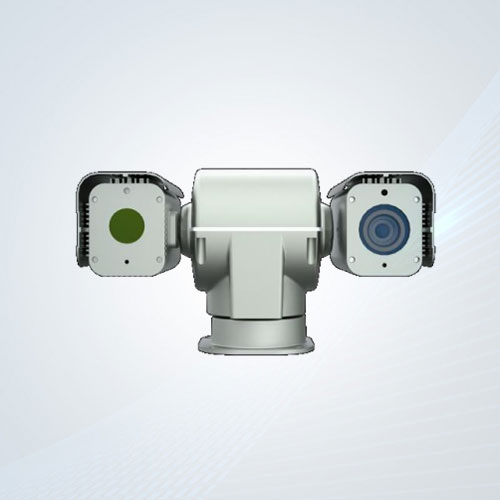
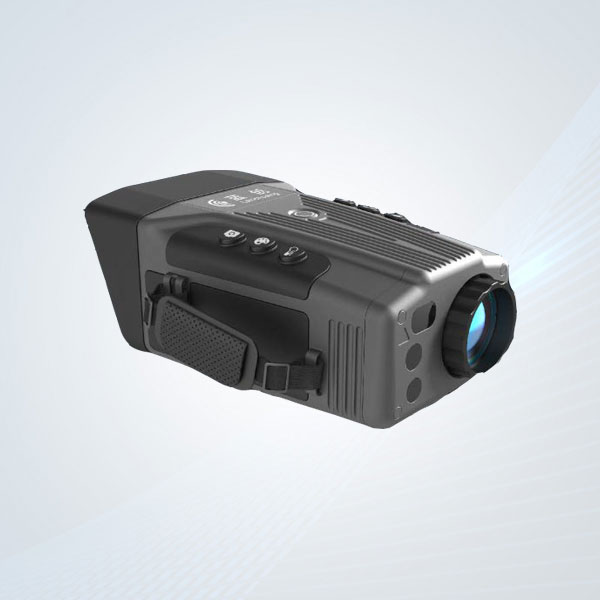
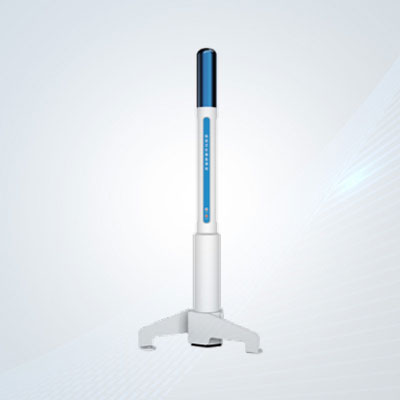
Gas leak detection systems are critical safety technologies designed to identify, locate, and quantify unintended releases of gases—including combustible (e.g., methane, propane, natural gas), toxic (e.g., carbon monoxide, hydrogen sulfide, chlorine), and inert (e.g., nitrogen, argon) gases. They play an indispensable role in industrial facilities, oil and gas operations, municipal infrastructure, commercial buildings, and residential settings. By providing early warnings of gas leaks, these systems prevent catastrophic incidents (explosions, fires, poisoning), protect human health, minimize environmental pollution, and ensure compliance with safety regulations. This article elaborates on the core detection technologies, key system types, selection criteria, standard operating procedures, and industry innovations of gas leak detection, offering practical guidance for safety professionals, facility managers, and technicians.
I. Core Technologies and Working Principles
Gas leak detection technologies vary in their working principles, sensitivity, and applicability to different gas types and environments. The core technologies are tailored to address specific detection needs—from real-time continuous monitoring to portable spot checks. Key technologies include:
1. Contact-Based Detection Technologies
These technologies require direct contact between the sensor and the leaking gas, making them suitable for fixed-point monitoring or portable surveys. Common subtypes include:
- Catalytic Combustion Sensors: Widely used for combustible gases (e.g., methane, propane), these sensors oxidize gas molecules on a heated catalytic surface, causing a change in electrical resistance that correlates with gas concentration. They offer high sensitivity for flammable gases but may be poisoned by sulfur-containing compounds or silicones.
- Electrochemical Sensors: Ideal for toxic gases (e.g., carbon monoxide, hydrogen sulfide, chlorine), these sensors use chemical reactions between the gas and electrolyte to generate an electrical current proportional to gas concentration. They provide accurate low-level detection and are commonly used in personal protective equipment (PPE) and fixed monitoring systems.
- Semiconductor Sensors: Cost-effective and versatile, these sensors detect gases by measuring changes in the conductivity of a semiconductor material when exposed to target gases. They are used for both combustible and toxic gases in residential alarms and portable detectors but may have lower selectivity, leading to potential cross-interference from non-target gases.
- Infrared (IR) Sensors: Utilize the absorption of infrared light by gas molecules—each gas has a unique IR absorption spectrum, enabling selective detection. They are suitable for combustible gases (e.g., methane) and some toxic gases, offering resistance to sensor poisoning and stable long-term performance. Non-dispersive infrared (NDIR) sensors are widely used in fixed industrial systems.
2. Non-Contact Detection Technologies
These technologies detect gas leaks from a distance without direct contact, making them ideal for large-area surveillance, hard-to-reach locations, and rapid leak localization. Key types include:
- Laser-Based Detection: Uses tunable diode lasers (TDL) or laser imaging systems to detect gas leaks by measuring laser light absorption along a path. TDL sensors are used for fixed-point or open-path monitoring in industrial settings, while laser imaging systems (e.g., gas imaging cameras) visualize gas plumes in real time, enabling quick localization of leaks in oil and gas fields or refineries.
- Ultrasonic Detection: Detects the high-frequency sound waves emitted by gas leaks under pressure—leaking gas creates turbulent flow that generates ultrasonic noise. These sensors work with all gas types (combustible, toxic, inert) and are effective in noisy industrial environments when paired with noise-filtering technology.
- Infrared Thermal Imaging: Identifies gas leaks by detecting temperature differences between the leaking gas plume and the surrounding environment. This technology is particularly useful for detecting cold gases (e.g., liquid natural gas vapor) or hot gas leaks in high-temperature industrial processes.
3. Sampling-Based Detection Technologies
These systems collect gas samples from the environment and analyze them in a centralized detector, suitable for high-precision monitoring in controlled environments. Common designs include:
- Point Sampling Systems: Use pumps to draw gas samples from specific locations (e.g., confined spaces, equipment enclosures) to a sensor for analysis. They are used in laboratories, pharmaceutical facilities, and confined space safety monitoring.
- Open-Path Sampling Systems: Measure gas concentration along a continuous path (e.g., across a pipeline corridor) by emitting a detection signal (laser or IR) and analyzing the signal received by a receiver. They provide wide-area coverage and early warning of large leaks.
II. Key System Types and Applications
Gas leak detection systems are categorized based on their deployment mode and application scenario, with specialized designs for industrial, municipal, commercial, and residential use:
1. Industrial Gas Leak Detection Systems
Tailored to harsh industrial environments (refineries, chemical plants, oil and gas platforms), these systems prioritize durability, high sensitivity, and integration with safety systems. Fixed-point systems with IR or TDL sensors monitor critical equipment (pipelines, storage tanks, reactors) for leaks of combustible or toxic gases. Portable detectors (equipped with catalytic combustion or electrochemical sensors) are used by technicians for routine inspections and leak localization. Laser imaging cameras are deployed for rapid surveys of large industrial sites, ensuring comprehensive coverage.
2. Municipal and Infrastructure Detection Systems
Used for monitoring public infrastructure (natural gas pipelines, water treatment plants, sewage systems), these systems focus on long-term reliability and remote monitoring. Pipeline leak detection systems (PLDS) use pressure wave monitoring, fiber optic sensors, or TDL technology to detect leaks in underground natural gas pipelines. Portable methane detectors are used by utility workers for routine pipeline inspections, while fixed systems at water treatment plants monitor for leaks of chlorine or ammonia used in disinfection.
3. Commercial and Residential Detection Systems
Designed for safety in buildings (offices, hotels, homes), these systems are compact, easy to install, and cost-effective. Residential gas alarms (using semiconductor or electrochemical sensors) detect natural gas (methane) or carbon monoxide leaks, triggering audio-visual alarms to alert occupants. Commercial systems in restaurants, hotels, or hospitals may integrate with building management systems (BMS), automatically shutting off gas supplies and activating ventilation systems when a leak is detected.
4. Specialized Application Systems
Customized for specific use cases: Confined space detectors (multi-gas sensors) monitor oxygen levels, combustible gases, and toxic gases in tanks, manholes, or tunnels. Vehicle gas leak detectors are used in natural gas vehicles (NGVs) or propane-powered vehicles to detect leaks in fuel systems. Lab and pharmaceutical detectors provide high-precision monitoring of specialty gases (e.g., nitrogen, helium) used in research and manufacturing processes.
III. Selection Criteria for Gas Leak Detection Systems
Selecting the appropriate gas leak detection system requires balancing gas type, detection requirements, operating environment, and regulatory compliance. The following factors should be prioritized:
1. Target Gas and Concentration Range
Match the system to the target gas properties: combustible gases require catalytic combustion, IR, or laser sensors; toxic gases need electrochemical or semiconductor sensors; inert gases may require ultrasonic or pressure-based detection. Ensure the system’s detection range covers the minimum explosive concentration (LEL) for combustible gases or the permissible exposure limit (PEL) for toxic gases, as defined by regulatory standards (e.g., OSHA, EPA).
2. Detection Performance Requirements
Define key performance metrics: sensitivity (minimum detectable concentration) for low-level leaks, response time (critical for real-time safety) for fast-acting gases, and selectivity (to avoid false alarms from non-target gases). For precision applications (e.g., lab monitoring), select systems with high accuracy and low drift; for large-area surveillance, prioritize wide coverage and rapid localization capabilities.
3. Operating Environment Conditions
Consider environmental factors: temperature (extreme hot/cold may affect sensor performance), humidity (moisture can damage semiconductor sensors), dust and debris (require ruggedized casings), and potential interference from other gases. For outdoor or explosive environments, select systems with weatherproof and explosion-proof ratings (e.g., ATEX, IECEx) to ensure safe operation.
4. Regulatory Compliance and Certification
Qualified systems must meet international standards, including IEC 60079 (for explosive atmospheres), ANSI/UL 1484 (for residential gas alarms), and ISO 10156 (for gas detector performance). Ensure the system is certified by regulatory bodies (e.g., FDA, CE, UL) and calibrated to comply with local safety regulations. For industrial applications, verify compliance with process safety management (PSM) requirements.
5. System Usability and Integration
For field use, prioritize portable systems with lightweight designs, long battery life, and intuitive user interfaces. For fixed systems, select models with remote monitoring capabilities (Wi-Fi, Ethernet, or 4G) and integration with safety systems (e.g., emergency shutdown, ventilation control). Ensure the system includes audible/visual alarms, data logging, and reporting functions for compliance documentation.
IV. Standard Usage and Maintenance Procedures
Proper use and maintenance of gas leak detection systems are critical for ensuring reliable performance, early leak detection, and operator safety. Follow these standardized procedures:
1. Pre-Use Preparation
- Inspect the system: Check for physical damage (cracks, loose connections), low battery levels (for portable devices), and expired calibration certificates. Ensure sensors are clean and free of dust, oil, or debris that may affect performance.
- Calibrate if necessary: Use a certified gas standard to verify sensor response—uncalibrated systems may produce inaccurate readings or false alarms. Follow the manufacturer’s recommended calibration interval (typically 6-12 months for industrial sensors).
- Configure settings: Adjust detection thresholds, alarm levels, and sampling frequency based on the target gas and application. Familiarize with system controls, including alarm silencing, data logging, and emergency shutdown triggers.
2. Detection Operation
- Position the detector correctly: For portable surveys, move the sensor slowly (0.5-1 m per second) near potential leak points (valves, fittings, pipe joints). For fixed systems, ensure sensors are mounted at the appropriate height (combustible gases rise, heavier toxic gases sink) and away from air currents or ventilation ducts.
- Monitor alarms: Respond immediately to audio/visual alarms—evacuate the area if gas concentrations exceed safe limits, isolate the gas source (if trained), and notify safety personnel. For portable detectors, check readings continuously to locate the leak source.
- Record data: Document detection results, including time, location, gas concentration, and system settings. Store data logs securely for compliance audits and incident investigation.
3. Post-Use Maintenance
- Clean the system: Wipe sensors and casings with a dry cloth or mild detergent to remove contaminants. Avoid harsh chemicals that may damage sensor materials (e.g., electrochemical cells, IR lenses).
- Store properly: Keep portable detectors in a dry, temperature-controlled environment, away from gas sources and direct sunlight. Remove batteries if not in use for extended periods to prevent leakage.
- Perform routine checks: Test system functionality (self-test mode) weekly; inspect wiring and connections for fixed systems monthly. Replace sensors that show signs of drift, damage, or reduced sensitivity.
4. Troubleshooting Common Issues
- False alarms: May be caused by sensor contamination, cross-interference from non-target gases, or incorrect threshold settings. Clean the sensor, recalibrate the system, and adjust alarm thresholds to reduce false triggers.
- No response to leaks: Check for dead batteries, sensor failure, or blocked sensors. Replace batteries, clean the sensor, or replace faulty components. Verify the detector is compatible with the target gas.
- Drift in readings: Caused by sensor aging, environmental interference, or lack of calibration. Recalibrate the system; replace sensors if drift persists beyond acceptable limits.
V. Industry Trends and Innovations
Driven by advancements in sensor technology, IoT connectivity, and artificial intelligence, the gas leak detection market is evolving to enhance performance, efficiency, and safety:
- Smart IoT-Enabled Detectors: Emerging systems integrate IoT connectivity to transmit real-time data to cloud-based platforms, enabling remote monitoring, predictive maintenance, and centralized management of multiple detectors. AI algorithms analyze data to distinguish between real leaks and false alarms, improving detection accuracy.
- Miniaturized and Wearable Sensors: Advances in microelectronics have led to compact, wearable gas detectors (e.g., smart watches, safety badges) that monitor gas exposure in real time and alert users via mobile devices. These devices are ideal for workers in confined spaces or mobile industrial settings.
- Multi-Gas Detection Systems: Integrated sensors that detect multiple gases (e.g., combustible, toxic, oxygen) in a single device are becoming increasingly common, reducing equipment costs and improving convenience for industrial and municipal applications.
- Autonomous Leak Detection: Drones equipped with laser imaging or gas sensors perform automated surveys of large areas (e.g., pipeline corridors, refineries), reducing the need for human intervention in high-risk environments. AI-powered image analysis enables real-time leak localization and reporting.
- Green and Low-Power Technologies: Manufacturers are developing energy-efficient detectors with long battery life (solar-powered for outdoor use) and eco-friendly materials, reducing environmental impact while maintaining performance.
VI. Conclusion
Gas leak detection systems are essential for mitigating risks associated with gas releases, protecting human health, ensuring environmental safety, and maintaining regulatory compliance across diverse industries. Selecting a system tailored to the target gas, application scenario, and operating environment—along with strict adherence to usage, calibration, and maintenance procedures—is critical for reliable leak detection and rapid response.
As technology advances, gas leak detection systems will continue to become more intelligent, portable, and integrated, addressing emerging challenges in industrial safety, municipal infrastructure, and environmental protection. Professionals across related fields should stay updated on these innovations to select the most effective systems, optimize safety workflows, and minimize the impact of gas leaks.